Avatar of Vocabulary Set B1 - 文字 E

Oxford 3000 - B1 内 B1 - 文字 E 語彙セット:完全かつ詳細なリスト

「Oxford 3000 - B1」内の「B1 - 文字 E」語彙セットは国際標準教材から厳選され、短期間で語彙をマスターできます。定義、例文、標準発音を網羅…

Lingolandでこの語彙セットを学習

今すぐ学習
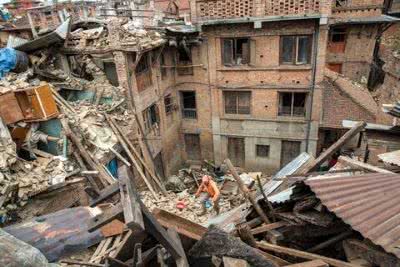
earthquake

/ˈɝːθ.kweɪk/

(noun) 地震

例:

The city was devastated by a powerful earthquake.
その都市は強力な地震によって壊滅した。

eastern

/ˈiː.stɚn/

(adjective) 東の, 東部の, 東洋の

例:

The sun rises in the eastern sky.
太陽は東の空に昇る。

economic

/ˌiː.kəˈnɑː.mɪk/

(adjective) 経済の, 経済的な, 節約になる

例:

The country is facing a severe economic crisis.
その国は深刻な経済危機に直面している。

economy

/iˈkɑː.nə.mi/

(noun) 経済, 節約, 経済性

例:

The country's economy is growing rapidly.
その国の経済は急速に成長している。

edge

/edʒ/

(noun) 端, 縁, 刃;

(verb) 縁取る, 縁を付ける, そっと動く

例:

She stood at the edge of the cliff.
彼女は崖のに立っていた。

editor

/ˈed.ɪ.t̬ɚ/

(noun) 編集者, エディター, 校正者

例:

She works as the chief editor for a fashion magazine.
彼女はファッション雑誌のチーフエディターとして働いている。

educate

/ˈedʒ.ə.keɪt/

(verb) 教育する, 教える

例:

It is important to educate children about healthy eating.
子供たちに健康的な食生活について教育することが重要です。

educated

/ˈedʒ.ə.keɪ.t̬ɪd/

(adjective) 教育を受けた, 学識のある;

(past participle) 教育された, 教えられた

例:

She is a highly educated woman with a doctorate degree.
彼女は博士号を持つ非常に教育を受けた女性です。

educational

/ˌedʒ.əˈkeɪ.ʃən.əl/

(adjective) 教育の, 教育的な, 有益な

例:

The museum offers many educational programs for children.
その博物館は子供向けの多くの教育プログラムを提供しています。

effective

/əˈfek.tɪv/

(adjective) 効果的な, 有効な, 施行される

例:

The new policy proved to be very effective in reducing crime.
新しい政策は犯罪を減らすのに非常に効果的であることが証明された。

effectively

/əˈfek.tɪv.li/

(adverb) 効果的に, 効率的に, 事実上

例:

She managed to complete the task effectively and on time.
彼女はタスクを効果的に、そして時間通りに完了することができた。

effort

/ˈef.ɚt/

(noun) 努力, 試み, 出来栄え

例:

He made a great effort to finish the race.
彼はレースを終えるために多大な努力をした。

election

/ɪˈlek.ʃən/

(noun) 選挙, 選出, 選択

例:

The general election will be held next month.
選挙は来月行われます。

element

/ˈel.ə.mənt/

(noun) 要素, 成分, 元素

例:

Trust is a key element in any relationship.
信頼はどんな関係においても重要な要素です。

embarrassed

/ɪmˈber.əst/

(adjective) 恥ずかしい, きまり悪い

例:

She felt deeply embarrassed by her mistake.
彼女は自分の間違いに深く恥ずかしく感じた。

embarrassing

/ɪmˈber.ə.sɪŋ/

(adjective) 恥ずかしい, きまり悪い

例:

It was so embarrassing when I tripped in front of everyone.
みんなの前でつまずいたときは、とても恥ずかしかった

emergency

/ɪˈmɝː.dʒən.si/

(noun) 緊急事態, 非常事態;

(adjective) 緊急の, 非常の

例:

Call 911 in case of an emergency.
緊急時には911に電話してください。

emotion

/ɪˈmoʊ.ʃən/

(noun) 感情, 情動

例:

Joy is a powerful emotion.
喜びは強力な感情です。

employment

/ɪmˈplɔɪ.mənt/

(noun) 雇用, 就職, 採用

例:

She is seeking full-time employment.
彼女はフルタイムの雇用を探している。

empty

/ˈemp.ti/

(adjective) 空の, 空っぽの, 空虚な;

(verb) 空にする, からにする

例:

The box was completely empty.
箱は完全にだった。

encourage

/ɪnˈkɝː.ɪdʒ/

(verb) 奨励する, 励ます, 促進する

例:

We encourage students to read widely.
私たちは学生に幅広く読書するよう奨励しています。

enemy

/ˈen.ə.mi/

(noun) 敵, 仇

例:

He made many enemies during his political career.
彼は政治家としてのキャリアの中で多くのを作った。

engaged

/ɪnˈɡeɪdʒd/

(adjective) 従事している, 没頭している, 婚約している

例:

She was deeply engaged in her research.
彼女は研究に深く没頭していた

engineering

/ˌen.dʒɪˈnɪr.ɪŋ/

(noun) 工学, エンジニアリング, エンジニアの仕事

例:

She is studying civil engineering at university.
彼女は大学で土木工学を学んでいます。

entertain

/en.t̬ɚˈteɪn/

(verb) 楽しませる, もてなす, 検討する

例:

He hired a clown to entertain the children.
彼は子供たちを楽しませるためにピエロを雇った。

entertainment

/en.t̬ɚˈteɪn.mənt/

(noun) エンターテイメント, 娯楽

例:

The concert provided great entertainment for everyone.
そのコンサートは皆に素晴らしいエンターテイメントを提供した。

entrance

/ˈen.trəns/

(noun) 入り口, 玄関, 登場;

(verb) 魅了する, うっとりさせる

例:
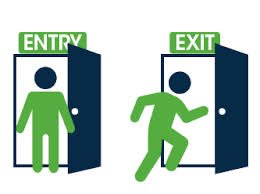
The main entrance to the building is on the north side.
建物の主要な入り口は北側にあります。

entry

/ˈen.tri/

(noun) 入場, 参加, 項目

例:

The police forced an entry into the building.
警察は建物への侵入を強制した。

environmental

/ɪnˌvaɪ.rəˈmen.t̬əl/

(adjective) 環境の, 周囲の

例:

The company is committed to reducing its environmental footprint.
その会社は環境フットプリントの削減に取り組んでいます。

episode

/ˈep.ə.soʊd/

(noun) エピソード, 出来事, 期間

例:

The whole episode was a complete disaster.
その出来事全体が完全な災害だった。

equal

/ˈiː.kwəl/

(adjective) 等しい, 同等の, 耐えうる;

(noun) 対等な存在, 匹敵する者;

(verb) 等しい, に相当する

例:

All men are created equal.
すべての人は平等に作られている。

equally

/ˈiː.kwə.li/

(adverb) 均等に, 同様に, 公平に

例:

Divide the cake equally among all the children.
ケーキをすべての子どもたちに均等に分けなさい。

escape

/ɪˈskeɪp/

(verb) 逃げる, 脱出する, 漏れる;

(noun) 脱走, 逃避

例:
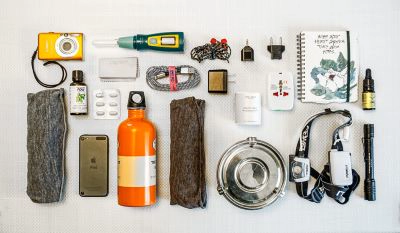
The prisoner managed to escape from jail.
囚人は刑務所から脱走することに成功した。

essential

/ɪˈsen.ʃəl/

(adjective) 不可欠な, 本質的な, 固有の;

(noun) 必要不可欠なもの, 基本

例:

Water is essential for life.
水は生命に不可欠です。

eventually

/ɪˈven.tʃu.ə.li/

(adverb) 最終的に, 結局

例:

After years of hard work, she eventually achieved her dream.
長年の努力の末、彼女はついに夢を達成した。

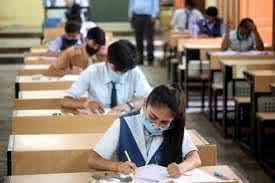
examinee

/ɪɡˌzæmb.əˈniː/

(noun) 受験者, 被験者

例:

The examinee nervously waited for the results.
受験者は nervously 結果を待った。

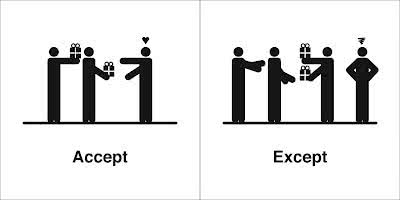
except

/ɪkˈsept/

(preposition) 以外, を除いて;

(conjunction) ~という点を除けば, ただし;

(verb) 除外する, 例外とする

例:

Everyone went to the party except John.
ジョン以外はみんなパーティーに行った。

exchange

/ɪksˈtʃeɪndʒ/

(noun) 交換, 為替, 取引所;

(verb) 交換する, やり取りする

例:

We made an exchange of gifts.
私たちは贈り物の交換をしました。

excitement

/ɪkˈsaɪt.mənt/

(noun) 興奮, わくわく, 刺激

例:

The children were filled with excitement as they opened their presents.
子供たちはプレゼントを開けるとき、興奮でいっぱいだった。

exhibition

/ˌek.səˈbɪʃ.ən/

(noun) 展示会, 展覧会, 展示

例:

The museum is hosting a new exhibition of ancient artifacts.
博物館では古代の遺物の新しい展示会が開催されています。

expand

/ɪkˈspænd/

(verb) 拡大する, 広がる, 膨張する

例:

The business plans to expand into new markets next year.
その企業は来年、新しい市場に拡大する予定です。

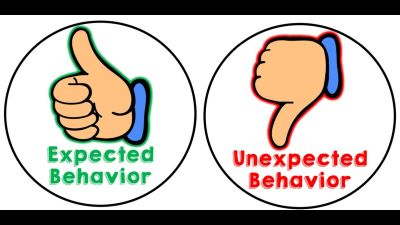
expected

/ɪkˈspek.tɪd/

(adjective) 予想される, 期待される;

(past participle) 期待する, 予想する

例:

The expected arrival time is 3 PM.
予定到着時刻は午後3時です。

expedition

/ˌek.spəˈdɪʃ.ən/

(noun) 探検, 遠征, 迅速

例:

The scientific expedition to Antarctica lasted six months.
南極への科学探検は6ヶ月間続いた。

experience

/ɪkˈspɪr.i.əns/

(noun) 経験, 出来事;

(verb) 経験する, 体験する

例:

He has a lot of experience in teaching.
彼は教育において多くの経験を持っています。

experienced

/ɪkˈspɪr.i.ənst/

(adjective) 経験豊富な, ベテランの

例:

She is an experienced teacher with over 20 years in the classroom.
彼女は教室で20年以上の経験を持つベテラン教師です。

experiment

/ɪkˈsper.ə.mənt/

(noun) 実験, 試み;

(verb) 実験する, 試す

例:

The scientists conducted an experiment to test their new theory.
科学者たちは新しい理論を検証するために実験を行った。

explode

/ɪkˈsploʊd/

(verb) 爆発する, 破裂する, 感情を爆発させる

例:

The bomb was set to explode at midnight.
爆弾は真夜中に爆発するように仕掛けられていた。

explore

/ɪkˈsplɔːr/

(verb) 探検する, 探索する, 検討する

例:

They set out to explore the Amazon rainforest.
彼らはアマゾンの熱帯雨林を探検するために出発した。

explosion

/ɪkˈsploʊ.ʒən/

(noun) 爆発, 破裂, 爆発的増加

例:

The building was severely damaged by the explosion.
建物は爆発によって甚大な被害を受けた。

export

/ˈek.spɔːrt/

(verb) 輸出する;

(noun) 輸出, 輸出品

例:

The company plans to export its products to Europe.
その会社は製品をヨーロッパに輸出する予定です。

extra

/ˈek.strə/

(adjective) 追加の, 余分な;

(adverb) 非常に, 格別に;

(noun) 追加料金, 追加物

例:

Do you need any extra help with your homework?
宿題で追加の助けが必要ですか?
Lingolandでこの語彙セットを学習