Avatar of Vocabulary Set A2 - 文字 T

Oxford 3000 - A2 内 A2 - 文字 T 語彙セット:完全かつ詳細なリスト

「Oxford 3000 - A2」内の「A2 - 文字 T」語彙セットは国際標準教材から厳選され、短期間で語彙をマスターできます。定義、例文、標準発音を網羅…

Lingolandでこの語彙セットを学習

今すぐ学習

tablet

/ˈtæb.lət/

(noun) 板, 石板, 錠剤

例:

Ancient civilizations used clay tablets to record their history.
古代文明は歴史を記録するために粘土板を使用しました。

talk

/tɑːk/

(verb) 話す, しゃべる, 講演する;

(noun) 話, 会話, 講演

例:

Can we talk for a moment?
少し話せますか?

target

/ˈtɑːr.ɡɪt/

(noun) 的, 標的, 目標;

(verb) 標的とする, 狙う, 対象とする

例:

The archer hit the target with his arrow.
射手は矢でを射た。

task

/tæsk/

(noun) 仕事, 任務, 課題;

(verb) 任務を課す, 割り当てる

例:

Completing this report is my main task for today.
このレポートを完成させることが今日の私の主な仕事です。

taste

/teɪst/

(noun) 味, 風味, センス;

(verb) 味わう, 試食する, 味がする

例:

The soup has a delicious taste.
そのスープは美味しいがする。

teaching

/ˈtiː.tʃɪŋ/

(noun) 教えること, 教育, 教え

例:

She decided to go into teaching after graduating from college.
彼女は大学卒業後、教職に就くことを決めた。

technology

/tekˈnɑː.lə.dʒi/

(noun) テクノロジー, 技術, 機器

例:

Advancements in technology have transformed our daily lives.
テクノロジーの進歩は私たちの日常生活を変えました。

teenage

/ˈtiːn.eɪdʒ/

(adjective) ティーンエイジャーの, 十代の

例:

She spent her teenage years living in London.
彼女はティーンエイジャー時代をロンドンで過ごした。

temperature

/ˈtem.pɚ.ə.tʃɚ/

(noun) 温度, 熱

例:

The room temperature is 25 degrees Celsius.
室温は摂氏25度です。

term

/tɝːm/

(noun) 用語, 言葉, 期間;

(verb) 呼ぶ, 称する

例:

The legal term 'habeas corpus' is often misunderstood.
法的な用語「人身保護令状」はしばしば誤解されている。

text

/tekst/

(noun) テキスト, 文章, テキストメッセージ;

(verb) テキストメッセージを送る, SMSを送る

例:
The original text of the novel was much longer.
小説の元のテキストははるかに長かった。

themselves

/ðəmˈselvz/

(pronoun) 自分たち, 彼ら自身, 自分たちで

例:

They bought themselves a new car.
彼らは自分たちで新しい車を買った。

thick

/θɪk/

(adjective) 厚い, 密生した, 濃い;

(adverb) 厚く, 濃く

例:

The book has a thick cover.
その本は厚い表紙が付いている。

thief

/θiːf/

(noun) 泥棒, 窃盗犯

例:

The thief was caught trying to escape with the stolen jewels.
泥棒は盗まれた宝石を持って逃げようとしているところを捕まった。

thin

/θɪn/

(adjective) 薄い, 痩せた, 細い;

(verb) 薄める, まばらにする;

(adverb) 薄く

例:

The book has a thin cover.
その本は薄い表紙です。

thinking

/ˈθɪŋ.kɪŋ/

(noun) 思考, 考え;

(verb) 考えている, 思っている;

(adjective) 考える, 思慮深い

例:

Her thinking was clear and logical.
彼女の思考は明確で論理的だった。

third

/θɝːd/

(ordinal number) 3番目の, 第3の;

(noun) 3分の1;

(adverb) 3番目に

例:

She finished third in the race.
彼女はレースで3位になった。

thought

/θɑːt/

(noun) 考え, 思考, 意見;

(past tense) 考えた, 思った

例:

She shared her thoughts on the matter.
彼女はその件についての考えを共有した。

throw

/θroʊ/

(verb) 投げる, 放る, 倒す;

(noun) 投球, 送球, スロー

例:

He decided to throw the ball to his dog.
彼は犬にボールを投げることにした。

tidy

/ˈtaɪ.di/

(adjective) きれいな, 整頓された;

(verb) 片付ける, 整頓する

例:

Her room is always very tidy.
彼女の部屋はいつもとてもきれいだ。

tie

/taɪ/

(noun) ネクタイ, 引き分け, 同点;

(verb) 結ぶ, 縛る, 同点になる

例:

He wore a suit and a red tie to the wedding.
彼は結婚式にスーツと赤いネクタイを着ていた。

tip

/tɪp/

(noun) チップ, ヒント, 助言;

(verb) チップを渡す, ひっくり返す, 傾ける

例:

He left a generous tip for the waiter.
彼はウェイターに気前の良いチップを残した。

tool

/tuːl/

(noun) 道具, 工具, 手先;

(verb) 道具を揃える, 装備する

例:

He used a hammer as a tool to fix the broken chair.
彼は壊れた椅子を直すためにハンマーを道具として使った。

top

/tɑːp/

(noun) 頂上, 上部, トップス;

(adjective) 一番上の, 最上部の, トップの;

(verb) トップになる, 上回る, 蓋をする;

(adverb) 上に, 頂上に

例:

He reached the top of the mountain.
彼は山の頂上に到達した。

touch

/tʌtʃ/

(verb) 触る, 触れる, 感動させる;

(noun) 触れること, 手触り, 少々

例:

Don't touch the wet paint.
濡れたペンキに触らないでください。

tour

/tʊr/

(noun) ツアー, 旅行, 巡業;

(verb) 巡る, 見学する, ツアーする

例:

They went on a grand tour of Europe.
彼らはヨーロッパの大旅行に出かけた。

tourism

/ˈtʊr.ɪ.zəm/

(noun) 観光

例:

The city's economy relies heavily on tourism.
その都市の経済は観光に大きく依存している。

towards

/tɔːrdz/

(preposition) 〜の方へ, 〜に向かって, 〜のために

例:

She walked towards the door.
彼女はドアの方へ歩いた。

towel

/taʊəl/

(noun) タオル;

(verb) タオルで拭く, タオルで乾かす

例:

Please hand me that clean towel.
そのきれいなタオルを取ってください。

tower

/ˈtaʊ.ɚ/

(noun) 塔;

(verb) そびえ立つ, 見下ろす

例:

The Eiffel Tower is a famous landmark in Paris.
エッフェル塔はパリの有名なランドマークです。

toy

/tɔɪ/

(noun) おもちゃ, 遊び道具;

(verb) もてあそぶ, いじる

例:

The child played with a wooden toy car.
子供は木製のおもちゃの車で遊んだ。

track

/træk/

(noun) 道, 足跡, 線路;

(verb) 追跡する, たどる, 監視する

例:
The old logging track was overgrown with weeds.
古い伐採は雑草で覆われていた。

tradition

/trəˈdɪʃ.ən/

(noun) 伝統, 慣習, 伝承

例:

It's a family tradition to have turkey on Christmas Day.
クリスマスに七面鳥を食べるのは家族の伝統です。

traditional

/trəˈdɪʃ.ən.əl/

(adjective) 伝統的な, 昔ながらの

例:

The village still follows traditional customs.
その村は今でも伝統的な習慣に従っている。

train

/treɪn/

(noun) 列車, 電車, トレーン;

(verb) 訓練する, 教育する, トレーニングする

例:

The train arrived at the station on time.
列車は定刻に駅に到着した。

trainer

/ˈtreɪ.nɚ/

(noun) トレーナー, 調教師, スニーカー

例:

The horse's trainer prepared it for the race.
馬の調教師がレースのために準備した。

training

/ˈtreɪ.nɪŋ/

(noun) トレーニング, 研修

例:

The company provides extensive training for new employees.
その会社は新入社員に広範な研修を提供しています。

transport

/ˈtræn.spɔːrt/

(verb) 輸送する, 運ぶ, 心を奪う;

(noun) 輸送, 交通機関, 歓喜

例:

The company uses trucks to transport goods across the country.
その会社はトラックを使って全国に商品を輸送している。

traveler

/ˈtræv.əl.ɚ/

(noun) 旅行者, 旅人

例:

The experienced traveler knew how to pack light.
経験豊富な旅行者は、荷物を軽くする方法を知っていた。

trouble

/ˈtrʌb.əl/

(noun) 問題, 困難, 厄介事;

(verb) 迷惑をかける, 困らせる

例:
He's always getting into trouble.
彼はいつもトラブルに巻き込まれている。

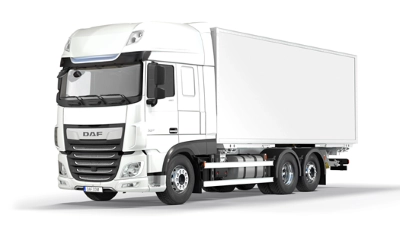
truck

/trʌk/

(noun) トラック, 台車, 手押し車;

(verb) トラックで運ぶ, 輸送する

例:

The delivery truck arrived late.
配達トラックが遅れて到着した。

twin

/twɪn/

(noun) 双子, 対になるもの, 同等のもの;

(verb) 対にする, 姉妹都市提携する;

(adjective) 双子の, 対の

例:

My sister gave birth to healthy twins.
私の姉は健康な双子を出産しました。

typical

/ˈtɪp.ɪ.kəl/

(adjective) 典型的な, 代表的な, 通常の

例:

It was a typical example of his generosity.
それは彼の寛大さの典型的な例だった。
Lingolandでこの語彙セットを学習