
一般的な語彙 内 病院 語彙セット:完全かつ詳細なリスト
「一般的な語彙」内の「病院」語彙セットは国際標準教材から厳選され、短期間で語彙をマスターできます。定義、例文、標準発音を網羅…
Lingolandでこの語彙セットを学習
今すぐ学習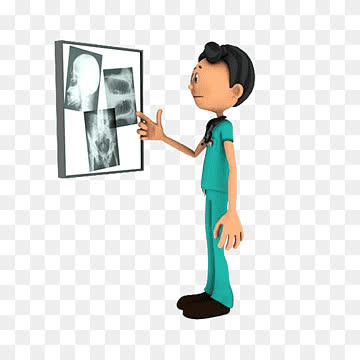
/ˌreɪ.diˈɑː.lə.dʒɪst/
(noun) 放射線科医
例:
The radiologist reviewed the MRI scans to check for any abnormalities.
放射線科医は異常がないかMRIスキャンを確認した。
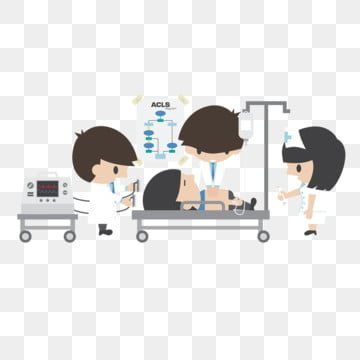
/ɪˈmɜːr.dʒən.si ˌruːm/
(noun) 緊急治療室, 救急室
例:
He was rushed to the emergency room after the accident.
彼は事故後、緊急治療室に運ばれた。

/ˌɑːb.stəˈtrɪʃ.ən/
(noun) 産科医, 産婦人科医
例:
My sister is seeing an obstetrician for her pregnancy.
私の姉は妊娠のため産科医に診てもらっています。

/ˈɑː.pə.reɪ.tɪŋ ˌruːm/
(noun) 手術室
例:
The patient was wheeled into the operating room for surgery.
患者は手術のため手術室に運ばれた。
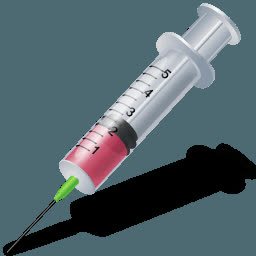
/ˈniː.dəl/
(noun) 針, 指針, 針葉;
(verb) からかう, いじめる
例:
She threaded the needle with blue yarn.
彼女は青い糸を針に通した。

/ˈlæb.rə.tɔːr.i/
(noun) 研究室, 実験室
例:
The scientists conducted experiments in the laboratory.
科学者たちは研究室で実験を行った。

/ˈfɑːr.mə.si/
(noun) 薬局, 薬学, 調剤
例:
I need to go to the pharmacy to pick up my prescription.
処方箋を受け取るために薬局に行く必要があります。
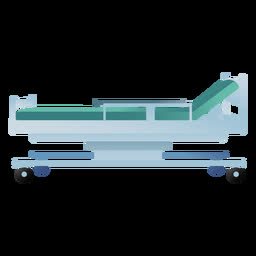
/ˈhɑː.spɪ.təl ˌbed/
(noun) 病院のベッド
例:
The patient was resting comfortably in the hospital bed.
患者は病院のベッドで快適に休んでいた。
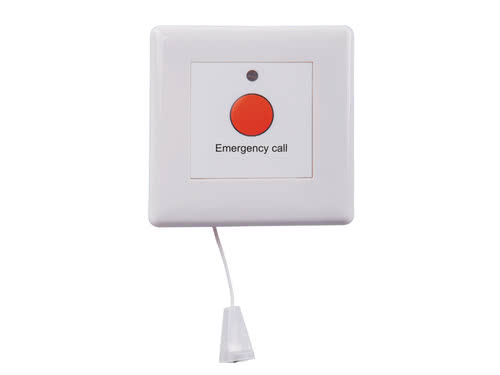
/ˈkɑːl ˌbʌt.ən/
(noun) 呼び出しボタン, コールボタン
例:
Press the call button if you need assistance.
助けが必要な場合は、呼び出しボタンを押してください。

/ˈdɑːk.tɚ/
(noun) 医者, 医師, 博士;
(verb) 改ざんする, 不正に操作する, 手直しする
例:
The doctor examined the patient carefully.
医者は患者を注意深く診察した。

/nɝːs/
(noun) 看護師;
(verb) 看護する, 手当てする, 授乳する
例:
The nurse checked the patient's vital signs.
看護師は患者のバイタルサインをチェックした。
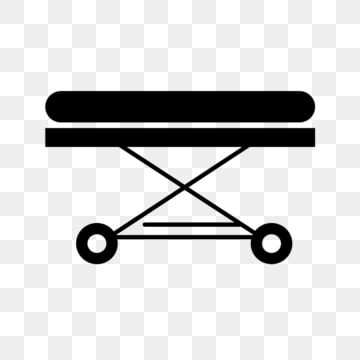
/ˈɡɝː.ni/
(noun) ストレッチャー, 移動式ベッド
例:
The paramedics carefully placed the injured person on the gurney.
救急隊員は負傷者を慎重にストレッチャーに乗せた。
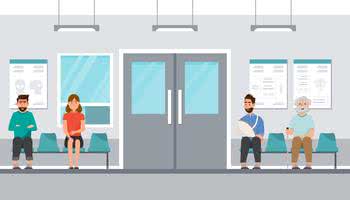
/ˈweɪtɪŋ ruːm/
(noun) 待合室
例:
The doctor's waiting room was full of patients.
医者の待合室は患者でいっぱいだった。
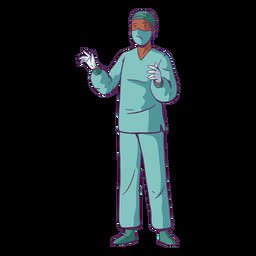
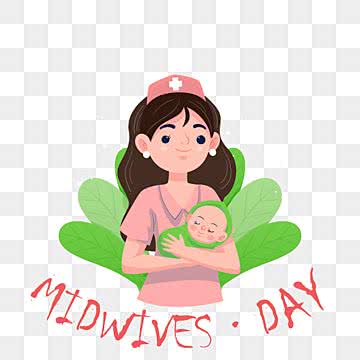
/ˈmɪd.waɪf/
(noun) 助産師
例:
The midwife helped deliver the baby safely.
助産師は赤ちゃんを安全に出産するのを手伝った。
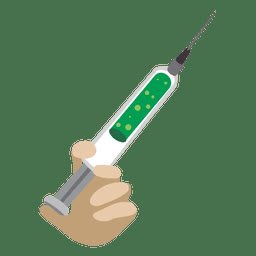
/ɪnˈdʒek.ʃən/
(noun) 注射, 注入, 投入
例:
The nurse gave him an injection to relieve the pain.
看護師は痛みを和らげるために彼に注射をした。

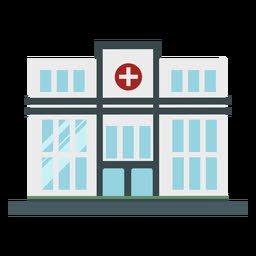
/ˈhɑː.spɪ.t̬əl/
(noun) 病院
例:
She was rushed to the hospital after the accident.
彼女は事故後、病院に運ばれた。
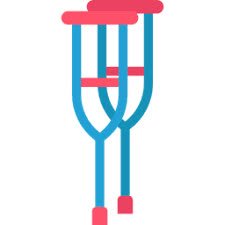
/krʌtʃ/
(noun) 松葉杖, 支え, 頼り;
(verb) 松葉杖を使う, 松葉杖で支える
例:
After the accident, he had to use a crutch to walk.
事故の後、彼は歩くために松葉杖を使わなければならなかった。
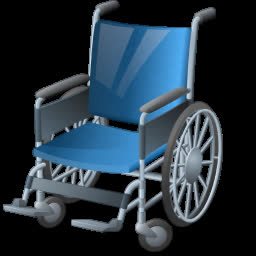
/ˈwiːl.tʃer/
(noun) 車椅子
例:
The patient uses a wheelchair to move around the hospital.
患者は病院内を移動するために車椅子を使用しています。

/ˌper.əˈmed.ɪk/
(noun) 救急隊員, パラメディック
例:
The paramedic quickly assessed the injured cyclist.
救急隊員は負傷したサイクリストを素早く評価した。
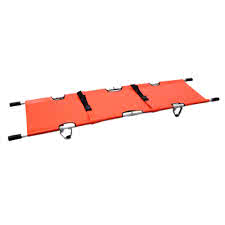
/ˈstretʃ.ɚ/
(noun) 担架
例:
The paramedics used a stretcher to carry the injured hiker.
救急隊員は負傷したハイカーを運ぶために担架を使用した。

/rʌʃ/
(verb) 急ぐ, 突進する, 急がせる;
(noun) 突進, 殺到, ラッシュ;
(adjective) 急いだ, 性急な
例:
She had to rush to catch her train.
彼女は電車に間に合うように急がなければならなかった。
/triːt/
(verb) 扱う, 接する, 処理する;
(noun) ご褒美, 楽しみ, おごり
例:
She treats everyone with respect.
彼女は皆を尊敬して接する。

/kənˈdɪʃ.ən/
(noun) 状態, コンディション, 条件;
(verb) 手入れする, 鍛える
例:
The car is in excellent condition.
その車は素晴らしい状態です。
/rɪˈkʌv.ɚ.i/
(noun) 回復, 復旧, 回収
例:
Her recovery from the illness was slow but steady.
彼女の病気からの回復は遅かったが着実だった。
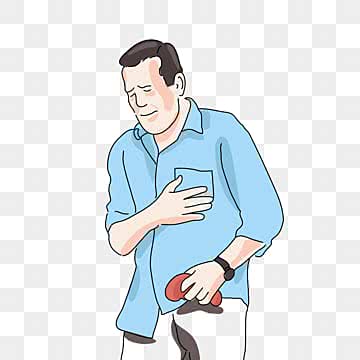

/dɪˈtɪr.i.ə.reɪt/
(verb) 悪化する, 劣化する
例:
The weather conditions began to deteriorate rapidly.
気象条件は急速に悪化し始めた。
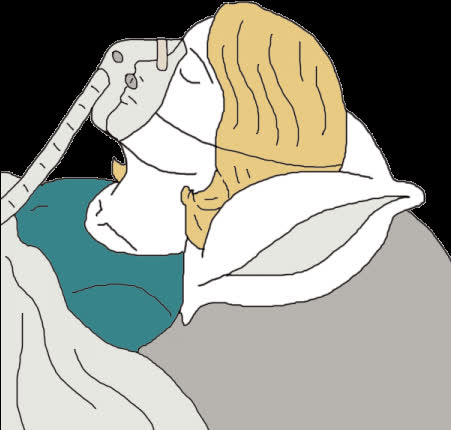
/ˈkoʊ.mə/
(noun) 昏睡状態
例:
He has been in a coma for three weeks after the accident.
彼は事故後3週間昏睡状態にある。

/ˌkɑː.mən ˈkoʊld/
(noun) 風邪, 普通感冒
例:
I've got a terrible common cold and can't stop sneezing.
ひどい風邪をひいて、くしゃみが止まらない。