
最も一般的な英単語500選 内 Top 76 - 100 Nouns 語彙セット:完全かつ詳細なリスト
「最も一般的な英単語500選」内の「Top 76 - 100 Nouns」語彙セットは国際標準教材から厳選され、短期間で語彙をマスターできます。定義、例文、標準発音を網羅…
Lingolandでこの語彙セットを学習
今すぐ学習

/ruːm/
(noun) スペース, 場所, 部屋;
(verb) 収容する, 宿泊させる
例:
Is there enough room for everyone?
みんなが入るスペースはありますか?

/ˌɪn.fɚˈmeɪ.ʃən/
(noun) 情報, 資料, データ
例:
I need more information about the project.
プロジェクトについてもっと情報が必要です。

/ˈprɑː.ses/
(noun) プロセス, 過程, 自然な過程;
(verb) 加工する, 処理する, 執行する
例:
The application process takes about two weeks.
申請プロセスには約2週間かかります。



/foʊn/
(noun) 電話;
(verb) 電話する
例:
Can I use your phone to make a quick call?
あなたの電話を借りてすぐに電話をかけてもいいですか?


/ʃoʊ/
(verb) 見せる, 示す, 提示する;
(noun) ショー, 公演, 見せかけ
例:
He likes to show off his new car.
彼は新しい車を見せびらかすのが好きだ。

/ɪkˈspɪr.i.əns/
(noun) 経験, 出来事;
(verb) 経験する, 体験する
例:
He has a lot of experience in teaching.
彼は教育において多くの経験を持っています。

/ˈhɪs.t̬ɚ.i/
(noun) 歴史, 経歴
例:
She is studying ancient Roman history at university.
彼女は大学で古代ローマの歴史を学んでいます。

/piːs/
(noun) かけら, 断片, 作品;
(verb) つなぎ合わせる, 修復する
例:
She cut the cake into small pieces.
彼女はケーキを小さな一切れに切った。

/taɪp/
(noun) 種類, タイプ, 活字;
(verb) タイプする, 入力する
例:
What type of music do you like?
どんな種類の音楽が好きですか?

/ˈen.ɚ.dʒi/
(noun) エネルギー, 活力
例:
She has a lot of energy for her age.
彼女は年齢の割にたくさんのエネルギーを持っている。

/feɪs/
(noun) 顔, 文字盤, 面;
(verb) 直面する, 向き合う, 面する
例:
She washed her face with cold water.
彼女は冷たい水で顔を洗った。

/haʊs/
(noun) 家, 住宅, 会館;
(verb) 収容する, 住まわせる
例:
They bought a new house in the suburbs.
彼らは郊外に新しい家を買った。

/ˈɡʌv.ɚn.mənt/
(noun) 政府, 行政, 統治
例:
The government announced new policies to boost the economy.
政府は経済を活性化するための新しい政策を発表した。

/laɪt/
(noun) 光, 電灯, 照明;
(verb) 灯す, 点火する;
(adjective) 軽い, 薄い, 淡い
例:
The room was filled with natural light.
部屋は自然の光で満たされていた。

/saʊnd/
(noun) 音, 響き, 海峡;
(verb) 鳴る, 音を出す, 〜のように聞こえる;
(adjective) 健全な, 確かな, 妥当な;
(adverb) ぐっすり, 完全に
例:
The sound of music filled the room.
音楽の音が部屋に満ちた。

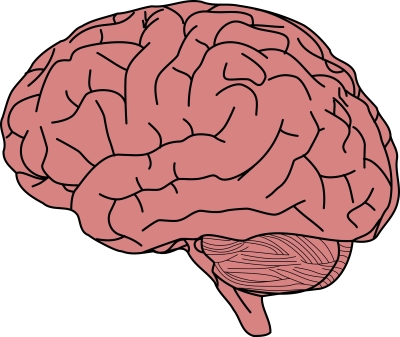
/breɪn/
(noun) 脳, 知力, 頭脳;
(verb) 頭を殴る, 脳天をかち割る
例:
The human brain is a complex organ.
人間の脳は複雑な器官です。

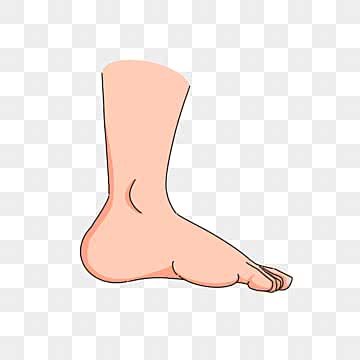
/fʊt/
(noun) 足, フィート, 長さの単位;
(verb) 歩く, 徒歩で行く, 支払う
例:
He hurt his foot playing soccer.
彼はサッカーをしていて足を怪我した。

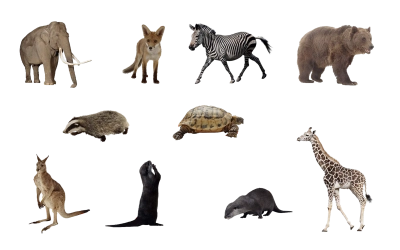
/ˈæn.ɪ.məl/
(noun) 動物, 野獣, 粗野な人;
(adjective) 動物の
例:
The zoo has many different types of animals.
その動物園には様々な種類の動物がいます。