
最も一般的な英単語500選 内 Top 26 - 50 Nouns 語彙セット:完全かつ詳細なリスト
「最も一般的な英単語500選」内の「Top 26 - 50 Nouns」語彙セットは国際標準教材から厳選され、短期間で語彙をマスターできます。定義、例文、標準発音を網羅…
Lingolandでこの語彙セットを学習
今すぐ学習

/fækt/
(noun) 事実, 現実, 情報
例:
It's a well-known fact that the Earth revolves around the Sun.
地球が太陽の周りを回っているのはよく知られた事実です。

/wɝːk/
(noun) 仕事, 作業, 任務;
(verb) 働く, 仕事をする, 機能する
例:
I have a lot of work to do today.
今日はたくさんの仕事があります。

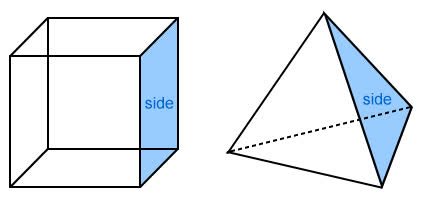
/saɪd/
(noun) 側, 面, 側面;
(adjective) 横の, 側面の;
(verb) 味方する, 側面を覆う
例:
He stood by her side.
彼は彼女のそばに立っていた。

/hænd/
(noun) 手, 筆跡, 書体;
(verb) 手渡す, 渡す
例:
She waved her hand to say goodbye.
彼女はさよならを言うために手を振った。


/ˈstɔːr.i/
(noun) 物語, 話, 記事
例:
She told us a fascinating story about her travels.
彼女は旅行についての魅力的な物語を私たちに話してくれた。

/ɪɡˈzæm.pəl/
(noun) 例, 手本, 模範
例:
This is a good example of modern architecture.
これは現代建築の好例です。
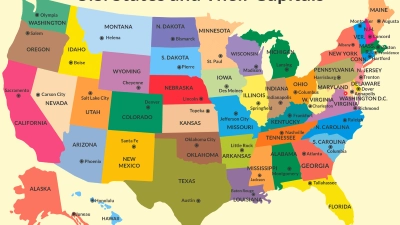
/steɪt/
(noun) 国家, 州, 状態;
(verb) 述べる, 表明する
例:
The United States is a large country.
アメリカ合衆国は大きな国です。
/frend/
(noun) 友達, 友人, 支援者;
(verb) 友達申請する, 友達になる
例:
She introduced me to her best friend.
彼女は私を親友に紹介してくれた。

/end/
(noun) 終わり, 最後, 端;
(verb) 終わる, 終了する, 終わらせる
例:
We reached the end of the road.
道の終わりにたどり着いた。
/stʌf/
(noun) もの, 物, 材料;
(verb) 詰める, 詰め込む, 詰め物をする
例:
I need to pack all my stuff before I move.
引っ越す前にすべての荷物をまとめなければならない。

/bʊk/
(noun) 本, 帳簿, 記録;
(verb) 予約する, 記録する, 登録する
例:
I'm reading a fascinating book about ancient history.
古代史に関する興味深い本を読んでいます。


/ˈriː.zən/
(noun) 理由, 原因, 理性;
(verb) 論理的に考える, 推論する
例:
The reason for his absence was illness.
彼の欠席の理由は病気でした。
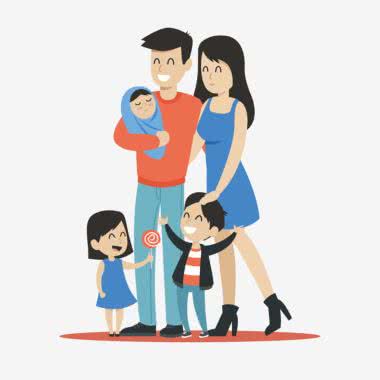
/ˈfæm.əl.i/
(noun) 家族, 家系, 血縁;
(adjective) 家族の
例:
My family is coming to visit next week.
来週、家族が訪ねてきます。

/ˈpaʊ.ɚ/
(noun) 力, 能力, 権力;
(verb) 動かす, 電力を供給する
例:
The engine lacks sufficient power to climb the steep hill.
そのエンジンは急な丘を登るのに十分な力がない。


/ˈsɪs.təm/
(noun) システム, 方式, 系
例:
The new filing system improved efficiency.
新しいファイリングシステムは効率を向上させた。

/ɡeɪm/
(noun) ゲーム, 競技, 獲物;
(verb) 操作する, だます;
(adjective) 乗り気な, 意欲的な
例:
Let's play a board game tonight.
今夜はボードゲームをしましょう。