Avatar of Vocabulary Set Top 226 - 250 Phrasal Verbs

最も一般的な英語の句動詞250 内 Top 226 - 250 Phrasal Verbs 語彙セット:完全かつ詳細なリスト

「最も一般的な英語の句動詞250」内の「Top 226 - 250 Phrasal Verbs」語彙セットは国際標準教材から厳選され、短期間で語彙をマスターできます。定義、例文、標準発音を網羅…

Lingolandでこの語彙セットを学習

今すぐ学習

set off

/set ˈɔːf/

(phrasal verb) 出発する, 旅立つ, 引き起こす

例:

We decided to set off early to avoid traffic.
渋滞を避けるために早く出発することにした。

catch up

/kætʃ ʌp/

(phrasal verb) 追いつく, 近況を話し合う, 会う

例:

After being sick, I need to catch up on my schoolwork.
病気の後、学校の勉強を追いつかなければならない。

dress up

/ˌdres ˈʌp/

(phrasal verb) 着飾る, 仮装する, 飾り立てる

例:

The children love to dress up in their parents' old clothes.
子供たちは親の古い服を着飾るのが大好きです。

wear out

/wer aʊt/

(phrasal verb) 摩耗する, 使い古す, 疲れさせる

例:

My favorite pair of jeans finally wore out.
お気に入りのジーンズがついに擦り切れた

catch on

/kætʃ ɑːn/

(phrasal verb) 流行する, 人気が出る, 理解する

例:

The new dance craze is starting to catch on.
新しいダンスの流行が広まり始めている。

come about

/kʌm əˈbaʊt/

(phrasal verb) 起こる, 生じる

例:

How did the accident come about?
その事故はどのようにして起こったのですか?

leave out

/liːv aʊt/

(phrasal verb) 省く, 除外する, 含めない

例:

Please don't leave out any important details when you tell the story.
話をするときは、重要な詳細を省かないでください。

throw up

/θroʊ ʌp/

(phrasal verb) 吐く, 嘔吐する, 急いで建てる

例:

He felt so sick that he had to throw up.
彼は気分が悪くて吐かなければならなかった。

run by

/rʌn baɪ/

(phrasal verb) 相談する, 説明する

例:

I need to run this idea by my manager before we proceed.
進める前に、このアイデアを上司に相談する必要があります。

pass by

/pæs baɪ/

(phrasal verb) 通り過ぎる, 通過する

例:

A car just passed by our house.
車がちょうど私たちの家のそばを通り過ぎた

speak up

/spiːk ˈʌp/

(phrasal verb) 大きな声で話す, 声を張る, 声を上げる

例:
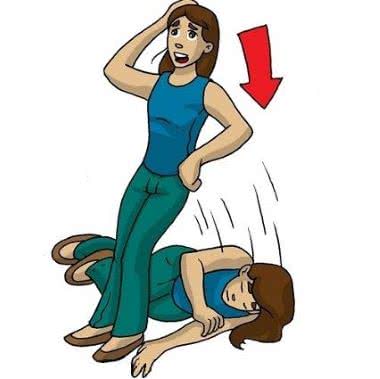
Could you please speak up? I can't hear you.
もう少し大きな声で話していただけますか?聞こえません。

pass out

/pæs aʊt/

(phrasal verb) 気を失う, 倒れる, 配る

例:

She felt dizzy and thought she was going to pass out.
彼女はめまいがして、気を失いそうになった。

give out

/ɡɪv aʊt/

(phrasal verb) 配る, 配布する, 故障する

例:

The teacher will give out the test papers.
先生がテスト用紙を配るでしょう。

count on

/kaʊnt ɑːn/

(phrasal verb) 頼りにする, 当てにする

例:

You can always count on me for support.
あなたはいつでも私のサポートを頼りにすることができます。

bring about

/brɪŋ əˈbaʊt/

(phrasal verb) 引き起こす, もたらす, 生じさせる

例:

The new policy aims to bring about significant changes in the education system.
新しい政策は教育システムに大きな変化をもたらすことを目指している。

hook up

/hʊk ˈʌp/

(phrasal verb) 会う, 落ち合う, 接続する

例:

I'm going to hook up with my friends after work.
仕事の後、友達と会う予定です。

kick off

/kɪk ɔf/

(phrasal verb) 始める, 開始する, 追い出す

例:

The festival will kick off with a parade.
フェスティバルはパレードで幕を開ける

sit around

/sɪt əˈraʊnd/

(phrasal verb) だらだら過ごす, 座って何もしない, 放置される

例:

We just sat around all day watching TV.
私たちは一日中テレビを見てだらだら過ごした

come before

/kʌm bɪˈfɔːr/

(phrasal verb) より優先される, より重要である, より前に来る

例:

Safety should always come before speed.
安全は常に速度よりも優先されるべきです。

go against

/ɡoʊ əˈɡenst/

(phrasal verb) 逆らう, 反する

例:

It's hard to go against the wishes of your parents.
両親の希望に逆らうのは難しい。

derive from

/dɪˈraɪv frʌm/

(phrasal verb) 由来する, 派生する

例:

Many English words derive from Latin.
多くの英単語はラテン語に由来する

stand up for

/stænd ʌp fɔr/

(phrasal verb) 擁護する, 味方になる

例:

You need to stand up for yourself and what you believe in.
あなたは自分自身と信じるもののために立ち上がる必要があります。

pack up

/pæk ˈʌp/

(phrasal verb) 荷物をまとめる, 荷造りする, 故障する

例:

We need to pack up our belongings before we leave.
出発する前に荷物をまとめる必要があります。

bail out

/beɪl aʊt/

(phrasal verb) 脱出する, パラシュートで飛び降りる, 救済する

例:

The pilot had to bail out when the engine failed.
エンジンが故障したとき、パイロットは脱出しなければならなかった。

mow down

/maʊ daʊn/

(phrasal verb) なぎ倒す, 大量に殺す, 刈り取る

例:

The machine guns mowed down the advancing soldiers.
機関銃は前進する兵士たちをなぎ倒した
Lingolandでこの語彙セットを学習