
詞彙集 Top 226 - 250 Phrasal Verbs(屬於 250個最常見的英語片語動詞):完整且詳細的清單
詞彙集「Top 226 - 250 Phrasal Verbs」(屬於「250個最常見的英語片語動詞」)從國際標準教材來源精心挑選,幫助您在短時間內掌握詞彙。全面彙整定義、例句及標準發音…
在 Lingoland 學習此詞彙集
立即學習
/set ˈɔːf/
(phrasal verb) 出發, 啟程, 引發
範例:
We decided to set off early to avoid traffic.
我們決定早點出發以避開交通堵塞。

/kætʃ ʌp/
(phrasal verb) 趕上, 追上, 敘舊
範例:
After being sick, I need to catch up on my schoolwork.
生病後,我需要補上我的學業。

/ˌdres ˈʌp/
(phrasal verb) 盛裝打扮, 喬裝打扮, 美化
範例:
The children love to dress up in their parents' old clothes.
孩子們喜歡穿上父母的舊衣服打扮。

/wer aʊt/
(phrasal verb) 磨損, 穿舊, 使疲憊
範例:
My favorite pair of jeans finally wore out.
我最喜歡的那條牛仔褲終於穿舊了。

/kætʃ ɑːn/
(phrasal verb) 流行起來, 受歡迎, 明白
範例:
The new dance craze is starting to catch on.
新的舞蹈熱潮開始流行起來。

/liːv aʊt/
(phrasal verb) 遺漏, 排除, 省略
範例:
Please don't leave out any important details when you tell the story.
請在講故事時不要遺漏任何重要細節。

/θroʊ ʌp/
(phrasal verb) 嘔吐, 吐出, 迅速搭建
範例:
He felt so sick that he had to throw up.
他感覺非常不舒服,不得不嘔吐。

/rʌn baɪ/
(phrasal verb) 向...匯報, 跟...說一遍
範例:
I need to run this idea by my manager before we proceed.
在繼續之前,我需要把這個想法向我的經理匯報。
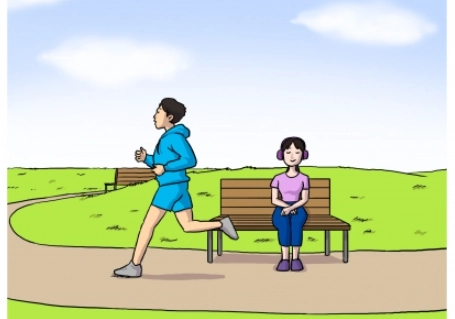

/spiːk ˈʌp/
(phrasal verb) 大聲說, 提高嗓門, 發聲
範例:
Could you please speak up? I can't hear you.
你能大聲點嗎?我聽不見。

/pæs aʊt/
(phrasal verb) 暈倒, 失去知覺, 分發
範例:
She felt dizzy and thought she was going to pass out.
她感到頭暈,以為自己要暈倒了。

/ɡɪv aʊt/
(phrasal verb) 分發, 派發, 停止工作
範例:
The teacher will give out the test papers.
老師會分發試卷。

/kaʊnt ɑːn/
(phrasal verb) 指望, 依靠
範例:
You can always count on me for support.
你永遠可以指望我提供支持。
/brɪŋ əˈbaʊt/
(phrasal verb) 引起, 導致, 促成
範例:
The new policy aims to bring about significant changes in the education system.
新政策旨在帶來教育系統的重大變革。

/hʊk ˈʌp/
(phrasal verb) 見面, 碰面, 連接
範例:
I'm going to hook up with my friends after work.
我下班後要去和朋友見面。

/kɪk ɔf/
(phrasal verb) 開始, 啟動, 開除
範例:
The festival will kick off with a parade.
節日將以遊行拉開序幕。

/sɪt əˈraʊnd/
(phrasal verb) 閒坐, 無所事事, 擱置
範例:
We just sat around all day watching TV.
我們一整天都在閒坐著看電視。

/kʌm bɪˈfɔːr/
(phrasal verb) 優先於, 比...更重要, 早於
範例:
Safety should always come before speed.
安全永遠應該優先於速度。

/ɡoʊ əˈɡenst/
(phrasal verb) 違背, 反對
範例:
It's hard to go against the wishes of your parents.
很難違背父母的意願。

/dɪˈraɪv frʌm/
(phrasal verb) 源自, 起源於
範例:
Many English words derive from Latin.
許多英語單詞源自拉丁語。

/stænd ʌp fɔr/
(phrasal verb) 捍衛, 支持
範例:
You need to stand up for yourself and what you believe in.
你需要捍衛自己和你的信仰。

/pæk ˈʌp/
(phrasal verb) 收拾行李, 打包, 壞掉
範例:
We need to pack up our belongings before we leave.
我們離開前需要收拾好行李。

/beɪl aʊt/
(phrasal verb) 跳傘, 棄機, 救助
範例:
The pilot had to bail out when the engine failed.
發動機失靈時,飛行員不得不跳傘。

/maʊ daʊn/
(phrasal verb) 掃射, 大量殺死, 割
範例:
The machine guns mowed down the advancing soldiers.
機關槍掃射了前進的士兵。