
Avatar of Vocabulary Set Top 226 - 250 Phrasal Verbs

Insieme di vocabolario Top 226 - 250 Phrasal Verbs in 250 Phrasal Verbs Inglesi Più Comuni: Lista completa e dettagliata

L'insieme di vocabolario 'Top 226 - 250 Phrasal Verbs' in '250 Phrasal Verbs Inglesi Più Comuni' è selezionato con cura da fonti di testi standard internazionali, aiutandoti a padroneggiare il vocabolario in breve tempo. Compilazione completa di definizioni, esempi illustrativi e pronuncia standard...

Impara questo insieme di vocabolario su Lingoland

Impara ora

set off

/set ˈɔːf/

(phrasal verb) partire, mettersi in viaggio, causare

Esempio:

We decided to set off early to avoid traffic.
Abbiamo deciso di partire presto per evitare il traffico.

catch up

/kætʃ ʌp/

(phrasal verb) recuperare, raggiungere, aggiornarsi

Esempio:

After being sick, I need to catch up on my schoolwork.
Dopo essere stato malato, devo recuperare il mio lavoro scolastico.

dress up

/ˌdres ˈʌp/

(phrasal verb) vestirsi elegante, mascherarsi, abbellire

Esempio:

The children love to dress up in their parents' old clothes.
I bambini adorano vestirsi con i vecchi vestiti dei loro genitori.

wear out

/wer aʊt/

(phrasal verb) consumare, logorare, sfiancare

Esempio:

My favorite pair of jeans finally wore out.
Il mio paio di jeans preferito si è finalmente consumato.

catch on

/kætʃ ɑːn/

(phrasal verb) prendere piede, diventare popolare, capire

Esempio:

The new dance craze is starting to catch on.
La nuova moda del ballo sta iniziando a prendere piede.

come about

/kʌm əˈbaʊt/

(phrasal verb) succedere, avvenire

Esempio:
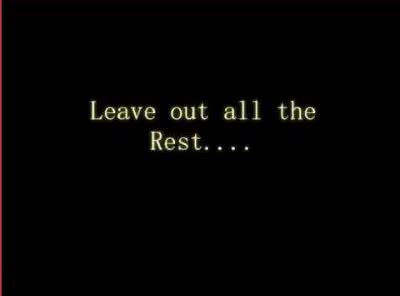
How did the accident come about?
Come è successo l'incidente?

leave out

/liːv aʊt/

(phrasal verb) omettere, escludere, lasciare fuori

Esempio:

Please don't leave out any important details when you tell the story.
Per favore, non omettere alcun dettaglio importante quando racconti la storia.

throw up

/θroʊ ʌp/

(phrasal verb) vomitare, rigettare, costruire in fretta

Esempio:

He felt so sick that he had to throw up.
Si sentiva così male che dovette vomitare.

run by

/rʌn baɪ/

(phrasal verb) sottoporre a, ripassare con

Esempio:
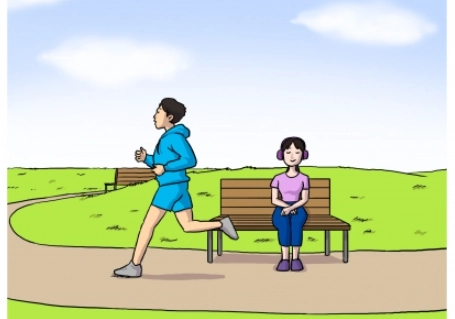
I need to run this idea by my manager before we proceed.
Devo sottoporre questa idea al mio manager prima di procedere.

pass by

/pæs baɪ/

(phrasal verb) passare, transitare

Esempio:

A car just passed by our house.
Un'auto è appena passata davanti a casa nostra.

speak up

/spiːk ˈʌp/

(phrasal verb) parlare più forte, alzare la voce, farsi sentire

Esempio:
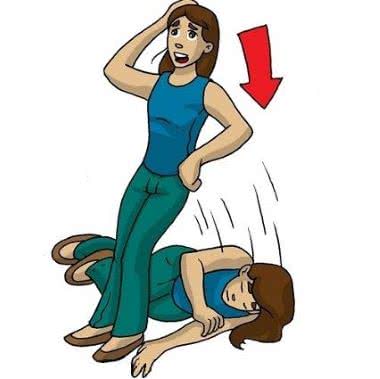
Could you please speak up? I can't hear you.
Potrebbe parlare più forte per favore? Non la sento.

pass out

/pæs aʊt/

(phrasal verb) svenire, perdere i sensi, distribuire

Esempio:

She felt dizzy and thought she was going to pass out.
Si sentiva stordita e pensava che sarebbe svenuta.

give out

/ɡɪv aʊt/

(phrasal verb) distribuire, dare, cedere

Esempio:

The teacher will give out the test papers.
L'insegnante distribuirà i fogli del test.

count on

/kaʊnt ɑːn/

(phrasal verb) contare su, fare affidamento su

Esempio:
You can always count on me for support.
Puoi sempre contare su di me per il supporto.

bring about

/brɪŋ əˈbaʊt/

(phrasal verb) causare, provocare, determinare

Esempio:

The new policy aims to bring about significant changes in the education system.
La nuova politica mira a portare cambiamenti significativi nel sistema educativo.

hook up

/hʊk ˈʌp/

(phrasal verb) incontrarsi, vedersi, collegare

Esempio:

I'm going to hook up with my friends after work.
Mi vado a incontrare con i miei amici dopo il lavoro.

kick off

/kɪk ɔf/

(phrasal verb) iniziare, dare il via, cacciare

Esempio:

The festival will kick off with a parade.
Il festival prenderà il via con una parata.

sit around

/sɪt əˈraʊnd/

(phrasal verb) oziare, stare con le mani in mano, rimanere inutilizzato

Esempio:

We just sat around all day watching TV.
Abbiamo solo oziare tutto il giorno a guardare la TV.

come before

/kʌm bɪˈfɔːr/

(phrasal verb) venire prima di, precedere

Esempio:

Safety should always come before speed.
La sicurezza dovrebbe sempre venire prima della velocità.

go against

/ɡoʊ əˈɡenst/

(phrasal verb) andare contro, opporsi a

Esempio:

It's hard to go against the wishes of your parents.
È difficile andare contro i desideri dei tuoi genitori.

derive from

/dɪˈraɪv frʌm/

(phrasal verb) derivare da, discendere da

Esempio:

Many English words derive from Latin.
Molte parole inglesi derivano dal latino.

stand up for

/stænd ʌp fɔr/

(phrasal verb) difendere, sostenere

Esempio:

You need to stand up for yourself and what you believe in.
Devi difendere te stesso e ciò in cui credi.

pack up

/pæk ˈʌp/

(phrasal verb) fare i bagagli, impacchettare, smontare

Esempio:

We need to pack up our belongings before we leave.
Dobbiamo fare i bagagli prima di partire.

bail out

/beɪl aʊt/

(phrasal verb) lanciarsi, paracadutarsi, salvare

Esempio:

The pilot had to bail out when the engine failed.
Il pilota ha dovuto lanciarsi quando il motore si è guastato.

mow down

/maʊ daʊn/

(phrasal verb) falciare, abbattere, tagliare

Esempio:

The machine guns mowed down the advancing soldiers.
Le mitragliatrici falciarono i soldati che avanzavano.
Impara questo insieme di vocabolario su Lingoland