Avatar of Vocabulary Set B2 - 巨人の肩の上に立つ!

レベル B2 内 B2 - 巨人の肩の上に立つ! 語彙セット:完全かつ詳細なリスト

「レベル B2」内の「B2 - 巨人の肩の上に立つ!」語彙セットは国際標準教材から厳選され、短期間で語彙をマスターできます。定義、例文、標準発音を網羅…

Lingolandでこの語彙セットを学習

今すぐ学習

analytical

/ˌæn.əˈlɪt̬.ɪ.kəl/

(adjective) 分析的

例:

She has a very strong analytical mind.
彼女は非常に強い分析的な心を持っている。

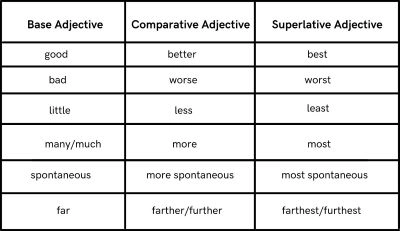
comparative

/kəmˈper.ə.t̬ɪv/

(adjective) 比較の, 相対的な, 比較級;

(noun) 比較級

例:
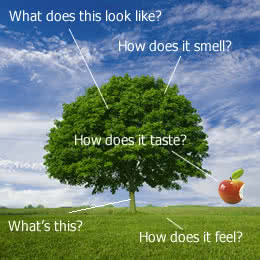
The study involved a comparative analysis of different teaching methods.
その研究は、異なる教授法の比較分析を含んでいた。

descriptive

/dɪˈskrɪp.t̬ɪv/

(adjective) 記述的な, 描写的な

例:

The book provides a descriptive account of the journey.
その本は旅の記述的な説明を提供している。

cite

/saɪt/

(verb) 引用する, 言及する, 挙げる

例:

He cited several sources in his research paper.
彼は研究論文でいくつかの情報源を引用した

classify

/ˈklæs.ə.faɪ/

(verb) 分類する, 区分する, 機密扱いにする

例:

The books are classified by subject.
本は主題別に分類されています。

compile

/kəmˈpaɪl/

(verb) 編集する, まとめる, 作成する

例:

She spent weeks compiling the data for her research.
彼女は研究のためにデータを編集するのに数週間を費やした。

conduct

/kənˈdʌkt/

(noun) 行動, 運営, 進行;

(verb) 行う, 実施する, 指揮する

例:

The conduct of the meeting was very professional.
会議の進行は非常にプロフェッショナルでした。

demonstrate

/ˈdem.ən.streɪt/

(verb) 証明する, 実証する, 実演する

例:

The study demonstrates the effectiveness of the new drug.
その研究は新薬の有効性を示している

derive

/dɪˈraɪv/

(verb) 由来する, 得る, 導き出す

例:

Many English words are derived from Latin.
多くの英単語はラテン語に由来する。

detect

/dɪˈtekt/

(verb) 検出する, 見つける, 発見する

例:

The system can detect even the smallest changes.
このシステムはごくわずかな変化でも検出できます。

document

/ˈdɑː.kjə.mənt/

(noun) 文書, 書類;

(verb) 記録する, 文書化する

例:

Please sign all the necessary documents before leaving.
出発前に必要な書類にすべて署名してください。

estimate

/ˈes.tə.meɪt/

(noun) 見積もり, 概算;

(verb) 見積もる, 概算する

例:
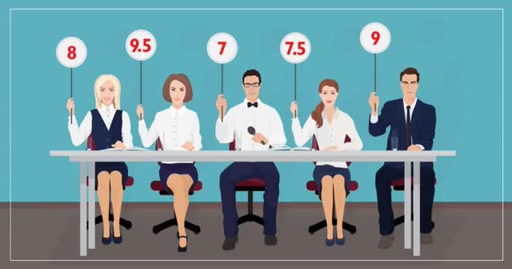
Can you give me an estimate of the cost?
費用の見積もりをいただけますか?

evaluate

/ɪˈvæl.ju.eɪt/

(verb) 評価する, 査定する, 見積もる

例:

It's impossible to evaluate these results without knowing more about the research methods.
研究方法についてもっと知らなければ、これらの結果を評価することは不可能です。

imply

/ɪmˈplaɪ/

(verb) 示唆する, ほのめかす, 暗示する

例:

His silence seemed to imply agreement.
彼の沈黙は同意を示唆しているようだった。

interpret

/-ˈtɝː-/

(verb) 解釈する, 説明する, 通訳する

例:

It's difficult to interpret these complex instructions.
これらの複雑な指示を解釈するのは難しい。

observe

/əbˈzɝːv/

(verb) 観察する, 注視する, 述べる

例:

The police observed the suspect's movements.
警察は容疑者の動きを観察した。

outline

/ˈaʊt.laɪn/

(noun) 概要, 輪郭, 大綱;

(verb) 輪郭を描く, 概要を述べる, 概説する

例:
He drew an outline of the proposed building.
彼は提案された建物の概要を描いた。

survey

/ˈsɝː.veɪ/

(noun) 調査, 測量, 概観;

(verb) 調査する, 測量する, 見渡す

例:

The architect conducted a survey of the building's structural integrity.
建築家は建物の構造的完全性の調査を行った。

case study

/ˈkeɪs ˌstʌd.i/

(noun) ケーススタディ, 事例研究

例:

The new report includes a case study of successful urban regeneration.
新しいレポートには、成功した都市再生のケーススタディが含まれています。

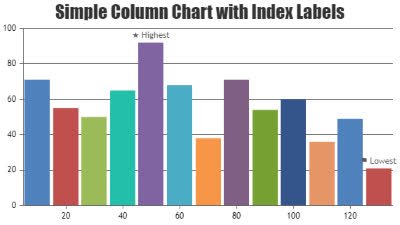
chart

/tʃɑːrt/

(noun) 図, グラフ, 海図;

(verb) 図示する, 記録する, 追跡する

例:

The sales figures are shown on the chart.
売上高はグラフに示されています。

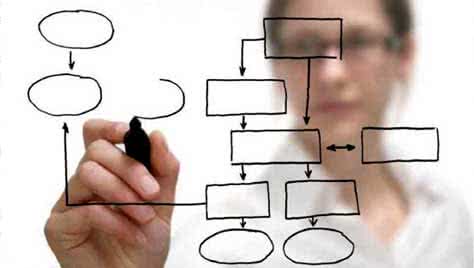
diagram

/ˈdaɪ.ə.ɡræm/

(noun) 図, 図表, ダイヤグラム;

(verb) 図示する, 図解する

例:
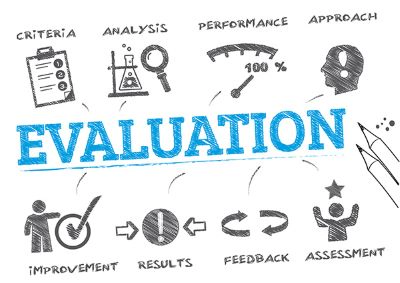
The teacher drew a diagram of the human heart on the board.
先生は黒板に人間の心臓のを描いた。

evaluation

/ɪˌvæl.juˈeɪ.ʃən/

(noun) 評価, 査定

例:

The evaluation of the project's success is still ongoing.
プロジェクトの成功の評価はまだ進行中です。

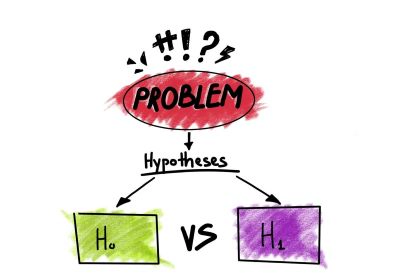
hypothesis

/haɪˈpɑː.θə.sɪs/

(noun) 仮説, 前提

例:

The scientist formed a hypothesis about the cause of the phenomenon.
科学者はその現象の原因について仮説を立てた。

experiment

/ɪkˈsper.ə.mənt/

(noun) 実験, 試み;

(verb) 実験する, 試す

例:

The scientists conducted an experiment to test their new theory.
科学者たちは新しい理論を検証するために実験を行った。

sample

/ˈsæm.pəl/

(noun) サンプル, 見本;

(verb) サンプリングする, 試す

例:
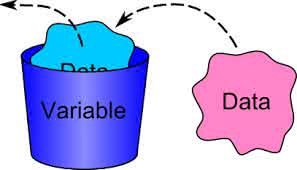
Please provide a sample of your work.
あなたの作品のサンプルを提供してください。

variable

/ˈver.i.ə.bəl/

(adjective) 変わりやすい, 変動する;

(noun) 変数

例:
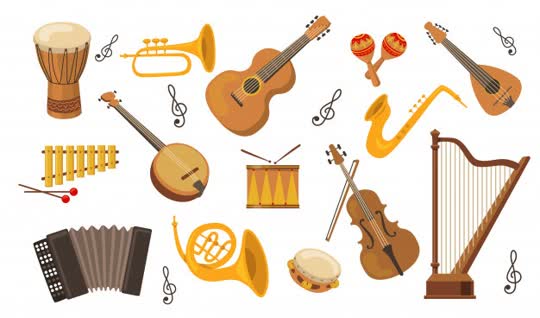
The weather here is highly variable.
ここの天気は非常に変わりやすい

instrument

/ˈɪn.strə.mənt/

(noun) 器具, 計器, 楽器;

(verb) 計器を取り付ける, 装備する

例:

The surgeon used a specialized instrument to perform the delicate operation.
外科医は繊細な手術を行うために特殊な器具を使用した。

questionnaire

/ˌkwes.tʃəˈner/

(noun) アンケート, 質問票

例:

Please fill out the questionnaire completely.
アンケートにすべてご記入ください。

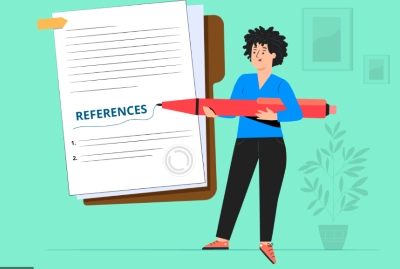
reference

/ˈref.ɚ.əns/

(noun) 言及, 参照, 参照元;

(verb) 参照する, 言及する

例:
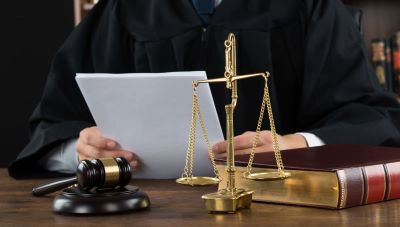
He made a brief reference to his past.
彼は過去に簡単に言及した。

trial

/traɪəl/

(noun) 裁判, 公判, 試用;

(verb) 試す, 試験する

例:
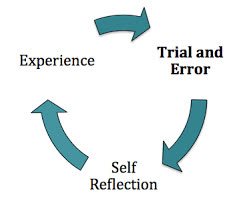
The suspect is currently awaiting trial.
容疑者は現在、裁判を待っている。

trial and error

/ˈtraɪəl ənd ˈer.ər/

(phrase) 試行錯誤, トライアンドエラー

例:

Learning to ride a bike is often a process of trial and error.
自転車に乗ることを学ぶのは、しばしば試行錯誤のプロセスです。

finding

/ˈfaɪn.dɪŋ/

(noun) 発見, 見つけること, 調査結果

例:

The finding of the lost treasure brought great joy.
失われた宝の発見は大きな喜びをもたらした。

law

/lɑː/

(noun) 法律, 法, 法則

例:

Ignorance of the law is no excuse.
法律を知らないことは言い訳にならない。

model

/ˈmɑː.dəl/

(noun) 模型, モデル, 型;

(verb) モデルを務める, 着用して見せる, 成形する

例:
He built a model airplane.
彼は飛行機の模型を作った。

principle

/ˈprɪn.sə.pəl/

(noun) 原則, 原理, 法則

例:

The principle of equality is central to their philosophy.
平等の原則は彼らの哲学の中心です。

procedure

/prəˈsiː.dʒɚ/

(noun) 手順, 手続き, 処置

例:

Follow the correct procedure for submitting your application.
申請書を提出するための正しい手順に従ってください。

proof

/pruːf/

(noun) 証拠, 証明, 校正刷り;

(verb) 証明する, 立証する, 耐性を持たせる;

(adjective) 耐性のある, 防止の

例:

Do you have any proof that he was involved?
彼が関与していたという証拠はありますか?
Lingolandでこの語彙セットを学習