syllogism
US /ˈsɪl.ə.dʒɪ.zəm/
UK /ˈsɪl.ə.dʒɪ.zəm/
名詞
三段論法, 演繹法
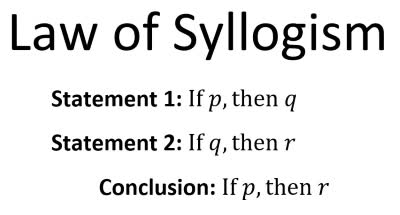
a form of reasoning in which a conclusion is drawn from two given or assumed propositions (premises), each of which shares a term with the conclusion, and one of which shares a common or middle term with the other premise, that is not present in the conclusion. A typical form is "All A are C; all B are A; therefore, all B are C."
例:
•
The philosopher presented a complex syllogism to prove his point.
哲学者は自分の主張を証明するために複雑な三段論法を提示した。
•
Her argument was structured as a perfect syllogism, making it hard to refute.
彼女の議論は完璧な三段論法として構成されており、反論するのが難しかった。