Avatar of Vocabulary Set 800 punti

Insieme di vocabolario 800 punti in Giorno 26 - Saldo del conto e pietà filiale: Lista completa e dettagliata

L'insieme di vocabolario '800 punti' in 'Giorno 26 - Saldo del conto e pietà filiale' è selezionato con cura da fonti di testi standard internazionali, aiutandoti a padroneggiare il vocabolario in breve tempo. Compilazione completa di definizioni, esempi illustrativi e pronuncia standard...

Impara questo insieme di vocabolario su Lingoland

Impara ora

alternate

/ˈɑːl.tɚ.neɪt/

(verb) alternare, avvicendarsi, cambiare;

(adjective) alterno, ogni altro, alternativo;

(noun) sostituto, alternativo

Esempio:

The sun and clouds alternate throughout the day.
Il sole e le nuvole si alternano durante il giorno.

awfully

/ˈɑː.fəl.i/

(adverb) terribilmente, estremamente, orribilmente

Esempio:

It's awfully cold outside.
Fa terribilmente freddo fuori.

bank loan

/bæŋk loʊn/

(noun) prestito bancario

Esempio:

They took out a bank loan to start their new business.
Hanno chiesto un prestito bancario per avviare la loro nuova attività.

bank teller

/ˈbæŋk ˌtɛlər/

(noun) cassiere di banca, sportellista

Esempio:

The bank teller helped me deposit my check.
Il cassiere della banca mi ha aiutato a depositare il mio assegno.

be amazed at

/bi əˈmeɪzd æt/

(phrase) essere stupito da, meravigliarsi di

Esempio:

I was amazed at how quickly she learned the new language.
Sono rimasto stupito da quanto velocemente abbia imparato la nuova lingua.

be caught in

/bi kɔːt ɪn/

(idiom) essere coinvolto in, essere sorpreso da

Esempio:

We were caught in a sudden rainstorm without umbrellas.
Siamo stati sorpresi da un temporale improvviso senza ombrelli.

be spread out

/biː spred aʊt/

(idiom) essere sparso, essere distribuito

Esempio:
The small villages are spread out across the valley.
I piccoli villaggi sono sparsi per la valle.

every other day

/ˈev.ri ˈʌð.ɚ deɪ/

(phrase) un giorno sì e uno no, a giorni alterni

Esempio:
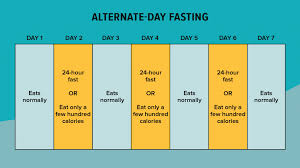
I go to the gym every other day.
Vado in palestra un giorno sì e uno no.

flawed

/flɑːd/

(adjective) imperfetto, difettoso, viziato

Esempio:

The argument was logically flawed.
L'argomento era logicamente imperfetto.

foreign currency

/ˈfɔːr.ən ˈkɜːr.ən.si/

(noun) valuta estera, divisa estera

Esempio:

I need to exchange some local money for foreign currency before my trip.
Devo cambiare un po' di denaro locale in valuta estera prima del mio viaggio.

gaze into

/ɡeɪz ˈɪn.tuː/

(phrasal verb) fissare, scrutare

Esempio:

They sat on the beach to gaze into the sunset.
Si sedettero sulla spiaggia per fissare il tramonto.

get a loan

/ɡet ə loʊn/

(phrase) ottenere un prestito, chiedere un prestito

Esempio:

We need to get a loan to buy a new car.
Dobbiamo ottenere un prestito per comprare una nuova auto.

give out

/ɡɪv aʊt/

(phrasal verb) distribuire, dare, cedere

Esempio:

The teacher will give out the test papers.
L'insegnante distribuirà i fogli del test.

glance at

/ɡlæns æt/

(phrasal verb) dare un'occhiata a, sbirciare

Esempio:

He glanced at his watch to check the time.
Ha dato un'occhiata al suo orologio per controllare l'ora.

go wrong with

/ɡoʊ rɔːŋ wɪð/

(idiom) sbagliare con, andare storto con

Esempio:

You can't go wrong with the chocolate cake; it's their best dessert.
Non puoi sbagliare con la torta al cioccolato; è il loro miglior dessert.

hang out

/hæŋ aʊt/

(phrasal verb) passare il tempo, uscire, stendere

Esempio:

We often hang out at the coffee shop on weekends.
Spesso passiamo il tempo al bar nei fine settimana.

have someone around

/hæv ˈsʌm.wʌn əˈraʊnd/

(phrasal verb) avere qualcuno a casa, ospitare

Esempio:

We're having some friends around for dinner tonight.
Stasera abbiamo degli amici a casa per cena.

if possible

/ɪf ˈpɑː.sə.bəl/

(phrase) se possibile

Esempio:

Please arrive by 8 AM if possible.
Si prega di arrivare entro le 8:00 se possibile.

if you insist

/ɪf juː ɪnˈsɪst/

(phrase) se proprio insisti

Esempio:

I don't really need another drink, but if you insist.
Non ho proprio bisogno di un altro drink, ma se proprio insisti.

I'll bet

/aɪl bet/

(phrase) scommetto che, ci scommetto, ci credo

Esempio:
I'll bet it's going to rain later today.
Scommetto che pioverà più tardi oggi.

locally

/ˈloʊ.kəl.i/

(adverb) localmente, sul posto

Esempio:

The restaurant sources its ingredients locally.
Il ristorante si rifornisce di ingredienti localmente.

pay off

/peɪ ˈɔf/

(phrasal verb) dare i suoi frutti, avere successo, saldare

Esempio:

All her hard work finally paid off.
Tutto il suo duro lavoro alla fine ha dato i suoi frutti.

perhaps

/pɚˈhæps/

(adverb) forse, magari

Esempio:

Perhaps it will rain tomorrow.
Forse pioverà domani.

put in

/pʊt ɪn/

(phrasal verb) installare, mettere, impegnarsi

Esempio:

Can you help me put in this new light fixture?
Puoi aiutarmi a installare questa nuova lampada?

savings

/ˈseɪ·vɪŋz/

(plural noun) risparmi, risparmio, riduzione

Esempio:

She put all her savings into a new house.
Ha messo tutti i suoi risparmi in una nuova casa.

short-term deposit

/ʃɔːrt tɜːrm dɪˈpɑː.zɪt/

(noun) deposito a breve termine

Esempio:

The company decided to put its excess cash into a short-term deposit.
La società ha deciso di investire la liquidità in eccesso in un deposito a breve termine.

the following day

/ðə ˈfɑloʊɪŋ deɪ/

(phrase) il giorno seguente, il giorno dopo

Esempio:

We arrived on Monday, and the following day we started our tour.
Siamo arrivati lunedì, e il giorno seguente abbiamo iniziato il nostro tour.

until the first of the next month

/ənˈtɪl ðə fɜrst əv ðə nɛkst mʌnθ/

(phrase) fino al primo del mese prossimo

Esempio:

The promotion is valid until the first of the next month.
La promozione è valida fino al primo del mese prossimo.

across from

/əˈkrɔs frəm/

(preposition) di fronte a

Esempio:

The park is across from the library.
Il parco è di fronte alla biblioteca.

alarming

/əˈlɑːr.mɪŋ/

(adjective) allarmante, preoccupante

Esempio:

The rapid spread of the disease is truly alarming.
La rapida diffusione della malattia è davvero allarmante.

anymore

/ˌen.iˈmɔːr/

(adverb) più, ormai

Esempio:

I don't live there anymore.
Non vivo più lì ormai.

at a time

/æt ə taɪm/

(idiom) alla volta, per volta

Esempio:

Please go up the stairs two at a time.
Per favore, salite le scale due alla volta.

courteously

/ˈkɝː.t̬i.əs.li/

(adverb) cortesemente, garbatamente, con rispetto

Esempio:

He courteously opened the door for her.
Le aprì la porta cortesemente.

indeed

/ɪnˈdiːd/

(adverb) infatti, davvero, anzi

Esempio:
“Is this the right way?” “Indeed.”
“È questa la strada giusta?” “Infatti.”

otherwise

/ˈʌð.ɚ.waɪz/

(adverb) altrimenti, diversamente, per il resto;

(adjective) diverso, altrimenti

Esempio:
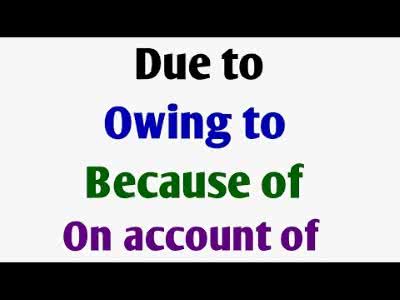
You need to study hard; otherwise, you will fail the exam.
Devi studiare sodo; altrimenti, fallirai l'esame.

owing to

/ˈoʊ.ɪŋ tuː/

(preposition) a causa di, per via di

Esempio:

The game was canceled owing to bad weather.
La partita è stata annullata a causa del maltempo.

partial

/ˈpɑːr.ʃəl/

(adjective) parziale, incompleto, predilezione per

Esempio:

The building suffered partial damage from the fire.
L'edificio ha subito danni parziali a causa dell'incendio.

pay out

/peɪ aʊt/

(phrasal verb) pagare, erogare, mollare

Esempio:
The insurance company will pay out the claim next week.
La compagnia assicurativa pagherà il risarcimento la prossima settimana.

receptive

/rɪˈsep.tɪv/

(adjective) ricettivo, aperto

Esempio:

The manager was very receptive to our new proposals.
Il manager era molto ricettivo alle nostre nuove proposte.

simplify

/ˈsɪm.plə.faɪ/

(verb) semplificare, facilitare

Esempio:

Can you simplify these instructions for me?
Puoi semplificare queste istruzioni per me?

someday

/ˈsʌm.deɪ/

(adverb) un giorno, prima o poi

Esempio:
Someday, I hope to travel around the world.
Un giorno, spero di viaggiare per il mondo.

turn down

/tɜːrn daʊn/

(phrasal verb) rifiutare, declinare, abbassare

Esempio:

She had to turn down the job offer because it was too far away.
Ha dovuto rifiutare l'offerta di lavoro perché era troppo lontana.

twofold

/ˈtuː.foʊld/

(adjective) duplice, doppio, due volte;

(adverb) doppiamente, due volte

Esempio:
The problem is twofold: lack of funding and lack of public awareness.
Il problema è duplice: mancanza di fondi e mancanza di consapevolezza pubblica.

accounts payable

/əˌkaʊnts ˈpeɪəbl/

(noun) conti da pagare, debiti verso fornitori

Esempio:
We need to process the accounts payable by the end of the week.
Dobbiamo elaborare i conti da pagare entro la fine della settimana.

bank account

/ˈbæŋk əˌkaʊnt/

(noun) conto bancario

Esempio:

I need to open a new bank account.
Devo aprire un nuovo conto bancario.

be highly regarded

/biː ˈhaɪli rɪˈɡɑːrdɪd/

(phrase) essere molto stimato, essere molto apprezzato

Esempio:

She is highly regarded as one of the best surgeons in the country.
È molto stimata come uno dei migliori chirurghi del paese.

be of particular interest to

/bi ʌv pərˈtɪkjələr ˈɪntrəst tu/

(phrase) essere di particolare interesse per

Esempio:

This new evidence will be of particular interest to the police.
Queste nuove prove saranno di particolare interesse per la polizia.

billing information

/ˈbɪl.ɪŋ ˌɪn.fɚˈmeɪ.ʃən/

(noun) informazioni di fatturazione, dati di fatturazione

Esempio:

Please update your billing information to avoid any service interruptions.
Aggiorna le tue informazioni di fatturazione per evitare interruzioni del servizio.

credit

/ˈkred.ɪt/

(noun) credito, accredito, merito;

(verb) accreditare, addebitare, attribuire

Esempio:

Can I buy this on credit?
Posso comprare questo a credito?

creditor

/ˈkred.ɪ.t̬ɚ/

(noun) creditore

Esempio:

The company is struggling to pay its creditors.
L'azienda sta lottando per pagare i suoi creditori.

currency

/ˈkɝː.ən.si/

(noun) valuta, moneta, attualità

Esempio:
The local currency is the Euro.
La valuta locale è l'Euro.

debit card

/ˈdeb.ɪt ˌkɑːrd/

(noun) carta di debito

Esempio:

I paid for the groceries with my debit card.
Ho pagato la spesa con la mia carta di debito.

debt

/det/

(noun) debito, indebitamento

Esempio:
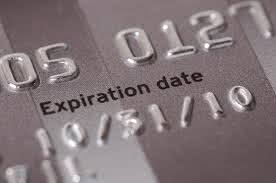
He is struggling to pay off his student debt.
Sta lottando per ripagare il suo debito studentesco.

expiration date

/ˌek.spəˈreɪ.ʃən ˌdeɪt/

(noun) data di scadenza, scadenza

Esempio:

Always check the expiration date on perishable goods.
Controlla sempre la data di scadenza sui prodotti deperibili.

financial history

/faɪˈnæn.ʃəl ˈhɪs.tər.i/

(noun) storia finanziaria, precedenti finanziari

Esempio:

The bank reviewed his financial history before approving the loan.
La banca ha esaminato la sua storia finanziaria prima di approvare il prestito.

for the sake of

/fɔːr ðə seɪk ʌv/

(phrase) per il bene di, nell'interesse di

Esempio:

They decided to move for the sake of their children's education.
Hanno deciso di trasferirsi per il bene dell'istruzione dei loro figli.

forge

/fɔːrdʒ/

(verb) forgiare, modellare, falsificare;

(noun) fucina

Esempio:

The blacksmith will forge the iron into a sword.
Il fabbro forgerà il ferro in una spada.

forgery

/ˈfɔːr.dʒɚ.i/

(noun) falsificazione, contraffazione

Esempio:

He was arrested for forgery of official documents.
È stato arrestato per falsificazione di documenti ufficiali.

forthcoming

/ˈfɔːrθˌkʌm.ɪŋ/

(adjective) prossimo, imminente, futuro

Esempio:

The forthcoming elections are expected to be closely contested.
Le prossime elezioni si prevedono molto combattute.

midtown

/ˈmɪdˌtaʊn/

(noun) midtown, centro città

Esempio:
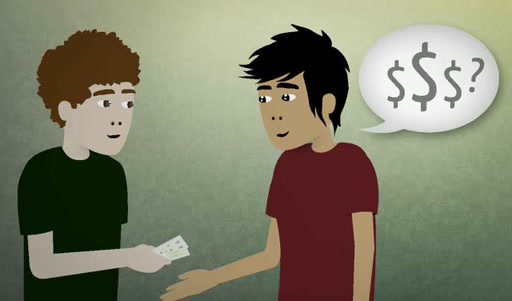
We decided to meet for lunch in Midtown.
Abbiamo deciso di incontrarci per pranzo a Midtown.

owe

/oʊ/

(verb) dovere, essere grato

Esempio:

I owe you twenty dollars for the concert ticket.
Ti devo venti dollari per il biglietto del concerto.

pin

/pɪn/

(noun) spillo, puntina, piolo;

(verb) appuntare, fissare, immobilizzare

Esempio:

She used a pin to hold the fabric in place.
Ha usato uno spillo per tenere fermo il tessuto.

pop up

/pɑːp ʌp/

(phrasal verb) spuntare, apparire all'improvviso

Esempio:

A new window will pop up on your screen.
Una nuova finestra apparirà sul tuo schermo.

public holiday

/ˌpʌb.lɪk ˈhɑː.lə.deɪ/

(noun) giorno festivo, festa nazionale

Esempio:

Banks and government offices are closed for the public holiday.
Le banche e gli uffici governativi sono chiusi per il giorno festivo.

reluctant

/rɪˈlʌk.tənt/

(adjective) riluttante, restio

Esempio:

She was reluctant to admit her mistake.
Era riluttante ad ammettere il suo errore.

requisition

/ˌrek.wəˈzɪʃ.ən/

(noun) requisizione, richiesta, ordine;

(verb) requisire, richiedere, ordinare

Esempio:
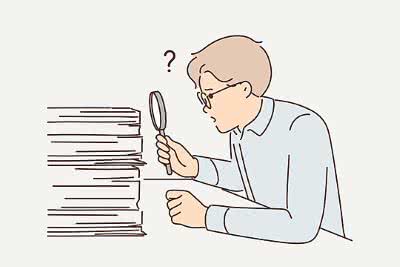
The army issued a requisition for all available vehicles in the area.
L'esercito ha emesso una requisizione per tutti i veicoli disponibili nella zona.

scrutinize

/ˈskruː.t̬ən.aɪz/

(verb) scrutinare, esaminare attentamente, analizzare

Esempio:

The detective began to scrutinize the crime scene for clues.
Il detective iniziò a scrutinare la scena del crimine in cerca di indizi.

sustain

/səˈsteɪn/

(verb) sostenere, supportare, mantenere

Esempio:

The pillars sustain the roof.
I pilastri sostengono il tetto.
Impara questo insieme di vocabolario su Lingoland