Avatar of Vocabulary Set A1 - Lettera P

Insieme di vocabolario A1 - Lettera P in Oxford 3000 - A1: Lista completa e dettagliata

L'insieme di vocabolario 'A1 - Lettera P' in 'Oxford 3000 - A1' è selezionato con cura da fonti di testi standard internazionali, aiutandoti a padroneggiare il vocabolario in breve tempo. Compilazione completa di definizioni, esempi illustrativi e pronuncia standard...

Impara questo insieme di vocabolario su Lingoland

Impara ora

page

/peɪdʒ/

(noun) pagina, paggetto, fattorino;

(verb) chiamare, cercare

Esempio:

Please turn to page 25.
Si prega di andare a pagina 25.

paint

/peɪnt/

(noun) vernice, pittura;

(verb) dipingere, verniciare

Esempio:

The walls were covered in fresh white paint.
Le pareti erano coperte di vernice bianca fresca.

painting

/ˈpeɪn.t̬ɪŋ/

(noun) pittura, dipinto, quadro

Esempio:

She enjoys painting landscapes.
Le piace la pittura di paesaggi.

pair

/per/

(noun) paio, coppia;

(verb) accoppiare, abbinare

Esempio:

I need a new pair of shoes.
Ho bisogno di un nuovo paio di scarpe.

paper

/ˈpeɪ.pɚ/

(noun) carta, giornale, articolo;

(verb) tappezzare

Esempio:
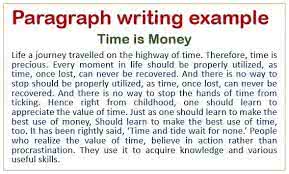
She wrote a letter on a piece of paper.
Ha scritto una lettera su un pezzo di carta.

paragraph

/ˈper.ə.ɡræf/

(noun) paragrafo;

(verb) suddividere in paragrafi

Esempio:
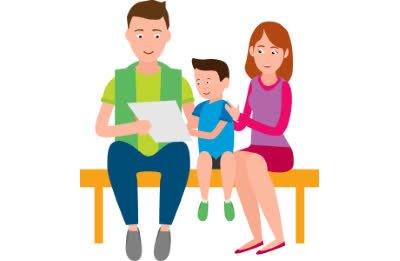
Please read the first paragraph of the essay.
Si prega di leggere il primo paragrafo del saggio.

parent

/ˈper.ənt/

(noun) genitore, capostipite;

(verb) fare da genitore, allevare

Esempio:
Both parents attended the school meeting.
Entrambi i genitori hanno partecipato alla riunione scolastica.

park

/pɑːrk/

(noun) parco, riserva;

(verb) parcheggiare

Esempio:

Let's go for a walk in the park.
Andiamo a fare una passeggiata nel parco.

part

/pɑːrt/

(noun) parte, pezzo, ruolo;

(verb) separare, dividere;

(adverb) in parte, parzialmente

Esempio:

I only read the first part of the book.
Ho letto solo la prima parte del libro.

partner

/ˈpɑːrt.nɚ/

(noun) socio, partner, compagno;

(verb) collaborare, fare da partner

Esempio:

She became a junior partner in the law firm.
È diventata socia junior nello studio legale.

party

/ˈpɑːr.t̬i/

(noun) festa, ricevimento, gruppo;

(verb) festeggiare, fare festa

Esempio:
We're having a birthday party for my sister.
Stiamo organizzando una festa di compleanno per mia sorella.

passport

/ˈpæs.pɔːrt/

(noun) passaporto, accesso, mezzo

Esempio:
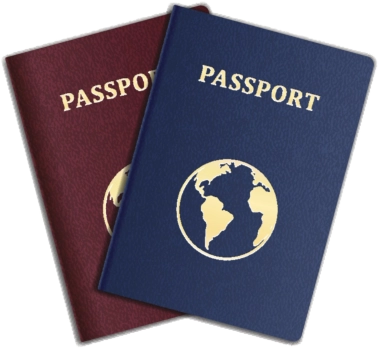
Don't forget your passport when you travel internationally.
Non dimenticare il tuo passaporto quando viaggi all'estero.

past

/pæst/

(adjective) passato, precedente;

(noun) passato;

(preposition) oltre, dopo;

(adverb) oltre, passando

Esempio:

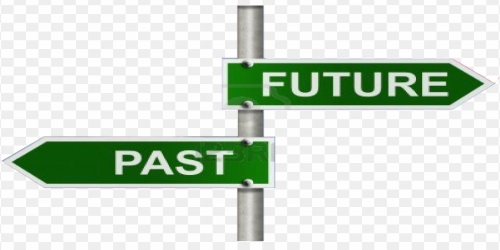
In past years, we used to visit this beach every summer.
Negli anni passati, visitavamo questa spiaggia ogni estate.

pay

/peɪ/

(verb) pagare, saldare, subire le conseguenze;

(noun) paga, stipendio

Esempio:
I need to pay the rent by tomorrow.
Devo pagare l'affitto entro domani.

pen

/pen/

(noun) penna, recinto, stia;

(verb) scrivere, comporre, rinchiudere

Esempio:

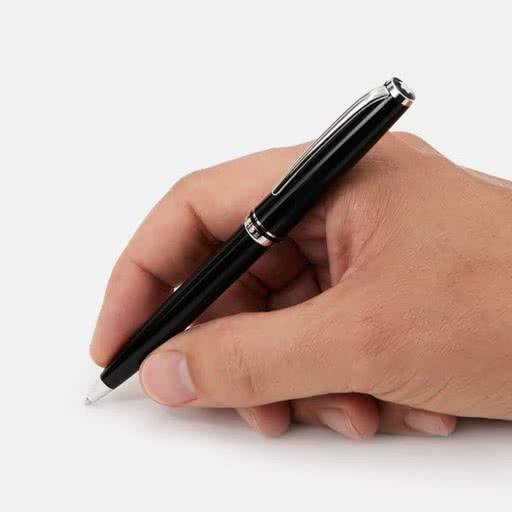
Can I borrow your pen for a moment?
Posso prendere in prestito la tua penna per un momento?

pencil

/ˈpen.səl/

(noun) matita;

(verb) scrivere a matita, segnare provvisoriamente

Esempio:

Can I borrow your pencil for a moment?
Posso prendere in prestito la tua matita per un momento?

people

/ˈpiː.pəl/

(noun) persone, gente, popolo;

(verb) popolare, riempire

Esempio:
Many people attended the concert.
Molte persone hanno partecipato al concerto.

pepper

/ˈpep.ɚ/

(noun) pepe, peperone, peperoncino;

(verb) pepare, tempestare, bombardare

Esempio:
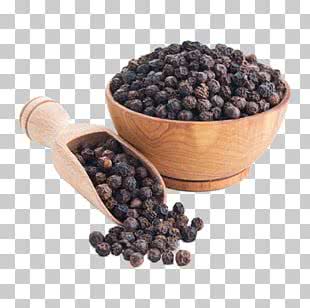
Please pass the salt and pepper.
Per favore, passami il sale e il pepe.

perfect

/ˈpɝː.fekt/

(adjective) perfetto, ideale, ottimo;

(verb) perfezionare, migliorare, affinare

Esempio:
She found the perfect dress for the party.
Ha trovato il vestito perfetto per la festa.

period

/ˈpɪr.i.əd/

(noun) periodo, arco di tempo, punto;

(exclamation) punto, e basta

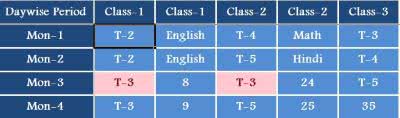
Esempio:

The Roman Empire lasted for a long period.
L'Impero Romano durò per un lungo periodo.

person

/ˈpɝː.sən/

(noun) persona, individuo, personaggio

Esempio:

She is a very kind person.
È una persona molto gentile.

personal

/ˈpɝː.sən.əl/

(adjective) personale, privato, fatto a mano

Esempio:
This is my personal opinion.
Questa è la mia opinione personale.

phone

/foʊn/

(noun) telefono;

(verb) telefonare, chiamare

Esempio:

Can I use your phone to make a quick call?
Posso usare il tuo telefono per fare una chiamata veloce?

photo

/ˈfoʊ.t̬oʊ/

(noun) foto, fotografia

Esempio:

Can I see the photo you took?
Posso vedere la foto che hai scattato?

photograph

/ˈfoʊ.t̬oʊ.ɡræf/

(noun) fotografia, foto;

(verb) fotografare, scattare una foto

Esempio:
She showed me a beautiful photograph of her family.
Mi ha mostrato una bellissima fotografia della sua famiglia.

phrase

/freɪz/

(noun) frase, locuzione, frase musicale;

(verb) formulare, esprimere

Esempio:
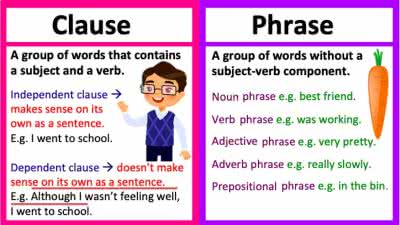
The phrase 'on the table' is a prepositional phrase.
La frase 'sul tavolo' è una frase preposizionale.

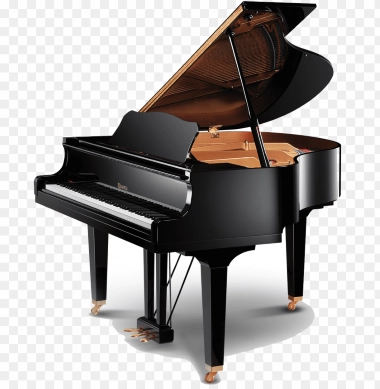
piano

/piˈæn.oʊ/

(noun) pianoforte;

(adverb) piano, dolcemente;

(adjective) piano, dolce

Esempio:

She played a beautiful melody on the piano.
Ha suonato una bellissima melodia al pianoforte.

picture

/ˈpɪk.tʃɚ/

(noun) immagine, foto, quadro;

(verb) raffigurare, fotografare, dipingere

Esempio:
She hung a beautiful picture on the wall.
Ha appeso un bel quadro al muro.

piece

/piːs/

(noun) pezzo, frammento, opera;

(verb) ricomporre, riparare

Esempio:
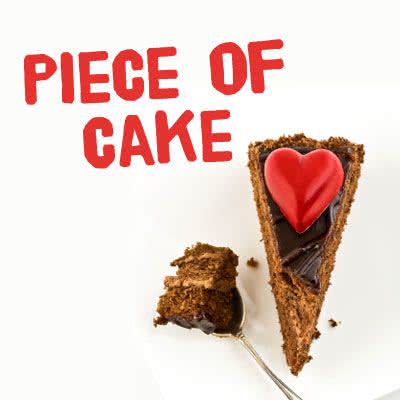
She cut the cake into small pieces.
Ha tagliato la torta a piccoli pezzi.

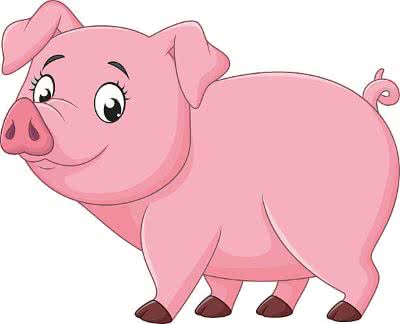
pig

/pɪɡ/

(noun) maiale, ingordo, sporcaccione;

(verb) abbuffarsi, ingozzarsi

Esempio:
The farmer raised a lot of pigs for their meat.
L'agricoltore allevava molti maiali per la loro carne.

pink

/pɪŋk/

(adjective) rosa;

(noun) il rosa, fiore, apice

Esempio:

She wore a beautiful pink dress to the party.
Indossava un bellissimo vestito rosa alla festa.

place

/pleɪs/

(noun) posto, luogo, casa;

(verb) posizionare, mettere, identificare

Esempio:
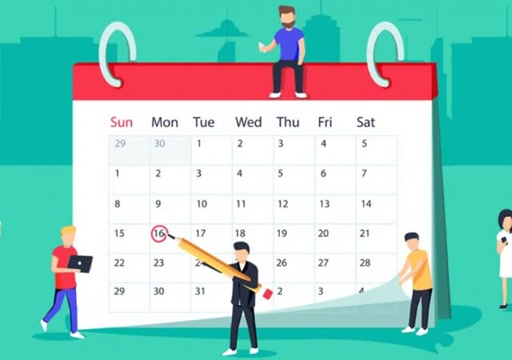
This is a good place to sit.
Questo è un buon posto per sedersi.

plan

/plæn/

(noun) piano, progetto, pianta;

(verb) pianificare, organizzare

Esempio:

We need a solid plan to finish this project on time.
Abbiamo bisogno di un piano solido per finire questo progetto in tempo.

plane

/pleɪn/

(noun) piano, superficie piana, aereo;

(verb) piallare, levigare

Esempio:

The points all lie on the same plane.
Tutti i punti giacciono sullo stesso piano.

plant

/plænt/

(noun) pianta, vegetale, stabilimento;

(verb) piantare, seminare, piazzare

Esempio:
She watered the plant every morning.
Ha annaffiato la pianta ogni mattina.

play

/pleɪ/

(verb) giocare, interpretare, recitare;

(noun) opera teatrale, spettacolo, gioco

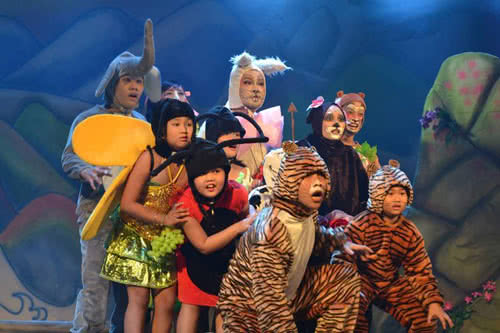
Esempio:
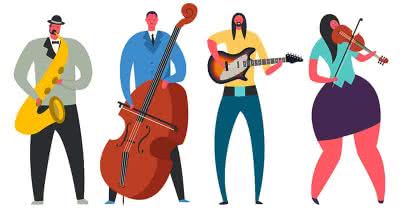
The children are playing in the park.
I bambini stanno giocando nel parco.

player

/ˈpleɪ.ɚ/

(noun) giocatore, lettore, musicista

Esempio:

He is a key player on the basketball team.
È un giocatore chiave nella squadra di basket.

please

/pliːz/

(interjection) per favore, per piacere;

(verb) compiacere, piacere

Esempio:

Can you help me, please?
Puoi aiutarmi, per favore?

point

/pɔɪnt/

(noun) punta, estremità, punto;

(verb) indicare, puntare, mirare

Esempio:

The point of the knife was very sharp.
La punta del coltello era molto affilata.

police

/pəˈliːs/

(noun) polizia;

(verb) controllare, regolare

Esempio:

The police arrived quickly at the scene of the accident.
La polizia è arrivata rapidamente sul luogo dell'incidente.

policeman

/pəˈliːs.mən/

(noun) poliziotto

Esempio:

The policeman directed traffic at the busy intersection.
Il poliziotto ha diretto il traffico all'incrocio trafficato.

pool

/puːl/

(noun) pozza, piscina, stagno;

(verb) mettere in comune, raggruppare

Esempio:
The children played by the shallow pool.
I bambini giocavano vicino alla pozza poco profonda.

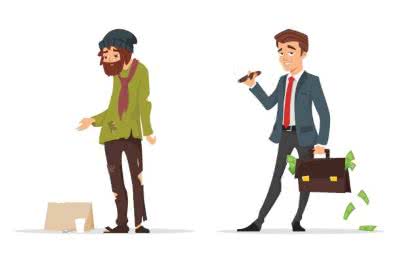
poor

/pʊr/

(adjective) povero, indigente, sfortunato

Esempio:

Many families in the city are living in poor conditions.
Molte famiglie in città vivono in condizioni povere.

popular

/ˈpɑː.pjə.lɚ/

(adjective) popolare, amato, pubblico

Esempio:
This song is very popular right now.
Questa canzone è molto popolare in questo momento.

positive

/ˈpɑː.zə.t̬ɪv/

(adjective) sicuro, positivo, certo;

(noun) positivo, diapositiva

Esempio:

I'm positive that I locked the door.
Sono sicuro di aver chiuso la porta a chiave.

possible

/ˈpɑː.sə.bəl/

(adjective) possibile, fattibile, potenziale

Esempio:

It is possible to finish the project by Friday.
È possibile finire il progetto entro venerdì.

post

/poʊst/

(noun) palo, montante, post;

(verb) affiggere, pubblicare, spedire;

(preposition) dopo, post-

Esempio:
The fence post was rotten and needed to be replaced.
Il palo della recinzione era marcio e doveva essere sostituito.

potato

/pəˈteɪ.t̬oʊ/

(noun) patata

Esempio:

She peeled the potato for dinner.
Ha sbucciato la patata per cena.

pound

/paʊnd/

(noun) libbra, sterlina, canile;

(verb) battere, colpire, battere forte

Esempio:
The baby weighed eight pounds at birth.
Il bambino pesava otto libbre alla nascita.

practice

/ˈpræk.tɪs/

(noun) pratica, applicazione, abitudine;

(verb) praticare, esercitarsi, esercitare

Esempio:
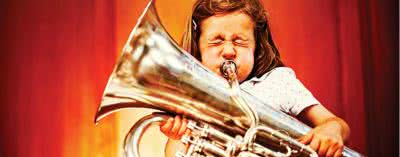
It's a good theory, but it won't work in practice.
È una buona teoria, ma non funzionerà in pratica.

practise

/ˈpræk.tɪs/

(verb) esercitarsi, praticare, esercitare

Esempio:

You need to practise every day to get better at playing the piano.
Devi esercitarti ogni giorno per migliorare a suonare il pianoforte.

prefer

/prɪˈfɝː/

(verb) preferire

Esempio:

I prefer coffee to tea.
Preferisco il caffè al tè.

prepare

/prɪˈper/

(verb) preparare, allestire, prepararsi

Esempio:

She needs to prepare dinner for her guests.
Deve preparare la cena per i suoi ospiti.

present

/ˈprez.ənt/

(noun) regalo, dono, presente;

(adjective) presente, attuale;

(verb) presentare, offrire, donare

Esempio:

She received a beautiful present for her birthday.
Ha ricevuto un bellissimo regalo per il suo compleanno.

pretty

/ˈprɪt̬.i/

(adjective) carino, grazioso;

(adverb) abbastanza, piuttosto

Esempio:
She wore a pretty dress to the party.
Indossava un vestito carino alla festa.

price

/praɪs/

(noun) prezzo, costo, conseguenza;

(verb) prezzare, valutare, stimare

Esempio:
The price of the car is too high for me.
Il prezzo dell'auto è troppo alto per me.

probably

/ˈprɑː.bə.bli/

(adverb) probabilmente, forse

Esempio:

It's probably going to rain later.
Probabilmente pioverà più tardi.

problem

/ˈprɑː.bləm/

(noun) problema, difficoltà, ostacolo

Esempio:
We have a serious problem to solve.
Abbiamo un serio problema da risolvere.

product

/ˈprɑː.dʌkt/

(noun) prodotto, articolo, risultato

Esempio:

The company launched a new software product.
L'azienda ha lanciato un nuovo prodotto software.

programme

/ˈproʊ.ɡræm/

(noun) programma, palinsesto, programma informatico;

(verb) programmare, pianificare

Esempio:

What's on the programme for tonight?
Cosa c'è in programma per stasera?

project

/ˈprɑː.dʒekt/

(noun) progetto, impresa;

(verb) prevedere, stimare, proiettare

Esempio:

The team is working on a new software project.
Il team sta lavorando a un nuovo progetto software.

purple

/ˈpɝː.pəl/

(noun) viola;

(adjective) viola

Esempio:
The sunset painted the sky in shades of orange, pink, and purple.
Il tramonto ha dipinto il cielo in sfumature di arancione, rosa e viola.

put

/pʊt/

(verb) mettere, posizionare, portare;

(noun) lancio, spinta

Esempio:

Please put the book on the table.
Per favore, metti il libro sul tavolo.
Impara questo insieme di vocabolario su Lingoland