
Avatar of Vocabulary Set Top 226 - 250 Verbs

Insieme di vocabolario Top 226 - 250 Verbs in I 500 Verbi Inglesi più Comuni: Lista completa e dettagliata

L'insieme di vocabolario 'Top 226 - 250 Verbs' in 'I 500 Verbi Inglesi più Comuni' è selezionato con cura da fonti di testi standard internazionali, aiutandoti a padroneggiare il vocabolario in breve tempo. Compilazione completa di definizioni, esempi illustrativi e pronuncia standard...

Impara questo insieme di vocabolario su Lingoland

Impara ora
solve

/sɑːlv/

(verb) risolvere

Esempio:

We need to solve this problem quickly.
Dobbiamo risolvere questo problema rapidamente.

destroy

/dɪˈstrɔɪ/

(verb) distruggere, annientare, demolire

Esempio:

The fire completely destroyed the old building.
L'incendio ha completamente distrutto il vecchio edificio.

respond

/rɪˈspɑːnd/

(verb) rispondere, reagire

Esempio:

She didn't respond to my question.
Non ha risposto alla mia domanda.

discuss

/dɪˈskʌs/

(verb) discutere, parlare di

Esempio:
Let's discuss the new project during the meeting.
Discutiamo il nuovo progetto durante la riunione.

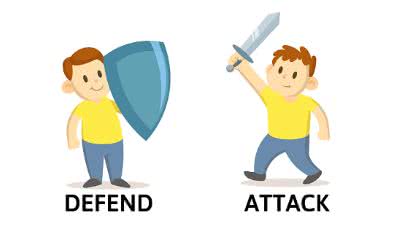
attack

/əˈtæk/

(noun) attacco, critica;

(verb) attaccare, criticare

Esempio:

The army launched a surprise attack on the enemy.
L'esercito ha lanciato un attacco a sorpresa contro il nemico.

sing

/sɪŋ/

(verb) cantare, cinguettare, fischiare

Esempio:

She loves to sing in the shower.
Le piace cantare sotto la doccia.

own

/oʊn/

(adjective) proprio;

(verb) possedere, avere, ammettere;

(adverb) da solo, autonomamente

Esempio:

I have my own car.
Ho la mia auto personale.

replace

/rɪˈpleɪs/

(verb) sostituire, rimpiazzare, rimettere

Esempio:
Computers have replaced typewriters.
I computer hanno sostituito le macchine da scrivere.

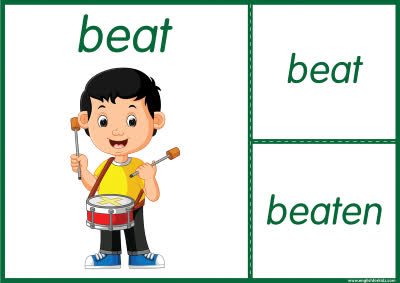
beat

/biːt/

(verb) picchiare, battere, sconfiggere;

(noun) battito, ritmo, pulsazione;

(adjective) sfinito, stanco

Esempio:

He was severely beaten by the attackers.
È stato gravemente picchiato dagli aggressori.

cost

/kɑːst/

(noun) costo, prezzo, sacrificio;

(verb) costare, comportare

Esempio:

The total cost of the trip was over $1000.
Il costo totale del viaggio era di oltre $1000.

identify

/aɪˈden.t̬ə.faɪ/

(verb) identificare, riconoscere, identificare con

Esempio:

Can you identify the person who stole your bag?
Puoi identificare la persona che ha rubato la tua borsa?

jump

/dʒʌmp/

(verb) saltare, balzare, aumentare bruscamente;

(noun) salto, balzo

Esempio:

The cat jumped onto the table.
Il gatto è saltato sul tavolo.

select

/səˈlekt/

(verb) selezionare, scegliere;

(adjective) selezionato, scelto

Esempio:

She needs to select a dress for the party.
Deve selezionare un vestito per la festa.

head

/hed/

(noun) testa, capo, direttore;

(verb) dirigersi, andare, dirigere;

(adjective) principale, di testa

Esempio:

She nodded her head in agreement.
Ha annuito con la testa in segno di assenso.

smell

/smel/

(noun) olfatto, senso dell'olfatto, odore;

(verb) annusare, sentire l'odore, odorare

Esempio:

Dogs have a very keen sense of smell.
I cani hanno un senso dell'olfatto molto acuto.

stick

/stɪk/

(noun) bastone, ramo, asta;

(verb) attaccare, incollare, pungere

Esempio:

He picked up a stick from the ground.
Ha raccolto un bastone da terra.

argue

/ˈɑːrɡ.juː/

(verb) sostenere, argomentare, litigare

Esempio:

The lawyer tried to argue that his client was innocent.
L'avvocato ha cercato di sostenere che il suo cliente era innocente.

last

/læst/

(adjective) ultimo, ultima, più recente;

(adverb) ultima volta, recentemente;

(verb) durare, resistere, perdurare

Esempio:

This is your last chance.
Questa è la tua ultima possibilità.

step

/step/

(noun) passo, gradino, scalino;

(verb) passare, camminare

Esempio:
He took a step forward.
Fece un passo in avanti.

practice

/ˈpræk.tɪs/

(noun) pratica, applicazione, abitudine;

(verb) praticare, esercitarsi, esercitare

Esempio:

It's a good theory, but it won't work in practice.
È una buona teoria, ma non funzionerà in pratica.

fit

/fɪt/

(verb) calzare, stare bene, addirsi a;

(noun) vestibilità, calzata, attacco;

(adjective) in forma, atletico, adatto

Esempio:
These shoes fit perfectly.
Queste scarpe calzano perfettamente.

suffer

/ˈsʌf.ɚ/

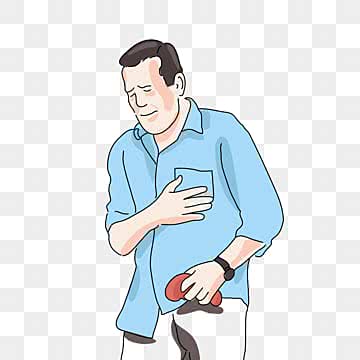
(verb) soffrire, subire, soffrire di

Esempio:

He suffered a heart attack.
Ha subito un attacco di cuore.

adjust

/əˈdʒʌst/

(verb) aggiustare, regolare, adattarsi

Esempio:

He adjusted his tie in the mirror.
Si aggiustò la cravatta allo specchio.

cry

/kraɪ/

(verb) piangere, gridare, chiamare;

(noun) grido, urlo, pianto

Esempio:
The baby started to cry when he was hungry.
Il bambino ha iniziato a piangere quando aveva fame.

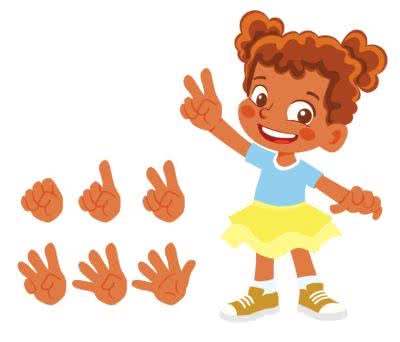
count

/kaʊnt/

(verb) contare, includere;

(noun) conteggio, numero, capo d'accusa

Esempio:

Can you count how many apples are in the basket?
Puoi contare quante mele ci sono nel cesto?
Impara questo insieme di vocabolario su Lingoland