Avatar of Vocabulary Set Top 226 - 250 Nouns

Insieme di vocabolario Top 226 - 250 Nouns in I 500 sostantivi inglesi più comuni: Lista completa e dettagliata

L'insieme di vocabolario 'Top 226 - 250 Nouns' in 'I 500 sostantivi inglesi più comuni' è selezionato con cura da fonti di testi standard internazionali, aiutandoti a padroneggiare il vocabolario in breve tempo. Compilazione completa di definizioni, esempi illustrativi e pronuncia standard...

Impara questo insieme di vocabolario su Lingoland

Impara ora

oil

/ɔɪl/

(noun) olio, petrolio, pittura a olio;

(verb) oliare, ungere

Esempio:

The car needs an oil change.
L'auto ha bisogno di un cambio d'olio.

land

/lænd/

(noun) terra, terraferma, terreno;

(verb) atterrare, posarsi, ottenere

Esempio:
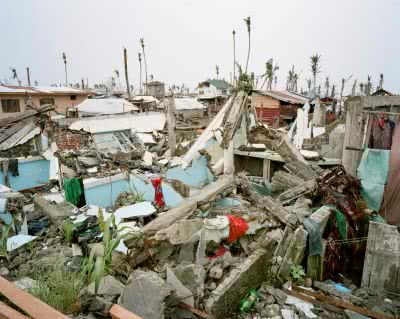
The ship finally reached land after a long journey.
La nave raggiunse finalmente la terraferma dopo un lungo viaggio.

computer

/kəmˈpjuː.t̬ɚ/

(noun) computer

Esempio:

I need to buy a new computer for work.
Devo comprare un nuovo computer per lavoro.

note

/noʊt/

(noun) nota, appunto, biglietto;

(verb) notare, prendere nota, annotare

Esempio:

I made a note of her address.
Ho preso nota del suo indirizzo.

dude

/duːd/

(noun) amico, ragazzo, tizio;

(verb) agghindarsi, vestirsi a festa;

(exclamation) amico, cavolo

Esempio:

Hey, dude, what's up?
Ehi, amico, che succede?

enemy

/ˈen.ə.mi/

(noun) nemico, avversario

Esempio:

He made many enemies during his political career.
Ha fatto molti nemici durante la sua carriera politica.

joke

/dʒoʊk/

(noun) barzelletta, scherzo, farsa;

(verb) scherzare, fare battute

Esempio:

He told a funny joke that made everyone laugh.
Ha raccontato una barzelletta divertente che ha fatto ridere tutti.

peace

/piːs/

(noun) pace, tranquillità;

(exclamation) pace

Esempio:

She found peace in the quiet countryside.
Ha trovato la pace nella tranquilla campagna.

task

/tæsk/

(noun) compito, incarico;

(verb) incaricare, assegnare

Esempio:
Completing this report is my main task for today.
Completare questo rapporto è il mio principale compito per oggi.

habit

/ˈhæb.ɪt/

(noun) abitudine, vizio, abito;

(verb) vestire, indossare

Esempio:

Smoking is a bad habit.
Fumare è una brutta abitudine.

building

/ˈbɪl.dɪŋ/

(noun) edificio, palazzo, costruzione

Esempio:

The new office building is very tall.
Il nuovo edificio per uffici è molto alto.

content

/kənˈtent/

(noun) contenuto, indice;

(adjective) contento, soddisfatto;

(verb) accontentare, soddisfare

Esempio:

The table of contents lists all the chapters.
L'indice elenca tutti i capitoli.

century

/ˈsen.tʃər.i/

(noun) secolo, cento (nel cricket)

Esempio:

The 20th century saw rapid technological advancements.
Il XX secolo ha visto rapidi progressi tecnologici.

decade

/ˈdek.eɪd/

(noun) decennio

Esempio:

The 1990s was a memorable decade for music.
Gli anni '90 sono stati un decennio memorabile per la musica.

patient

/ˈpeɪ.ʃənt/

(adjective) paziente;

(noun) paziente

Esempio:

You need to be more patient with your younger siblings.
Devi essere più paziente con i tuoi fratelli minori.

fan

/fæn/

(noun) ventilatore, ventola, fan;

(verb) sventolare, alimentare, diffondere

Esempio:

Turn on the fan, it's getting hot in here.
Accendi il ventilatore, sta diventando caldo qui.

project

/ˈprɑː.dʒekt/

(noun) progetto, impresa;

(verb) prevedere, stimare, proiettare

Esempio:

The team is working on a new software project.
Il team sta lavorando a un nuovo progetto software.

plant

/plænt/

(noun) pianta, vegetale, stabilimento;

(verb) piantare, seminare, piazzare

Esempio:
She watered the plant every morning.
Ha annaffiato la pianta ogni mattina.

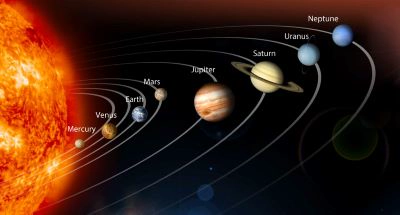
planet

/ˈplæn.ɪt/

(noun) pianeta

Esempio:

Earth is the third planet from the Sun.
La Terra è il terzo pianeta dal Sole.

damage

/ˈdæm.ɪdʒ/

(noun) danno, deterioramento, risarcimento;

(verb) danneggiare, rovinare

Esempio:

The storm caused extensive damage to the roof.
La tempesta ha causato ingenti danni al tetto.

election

/ɪˈlek.ʃən/

(noun) elezione, scelta, selezione

Esempio:

The general election will be held next month.
Le elezioni generali si terranno il mese prossimo.

reality

/riˈæl.ə.t̬i/

(noun) realtà, veridicità

Esempio:

We need to face the harsh reality of the situation.
Dobbiamo affrontare la dura realtà della situazione.

device

/dɪˈvaɪs/

(noun) dispositivo, apparecchio, espediente

Esempio:

This new device can translate languages in real-time.
Questo nuovo dispositivo può tradurre le lingue in tempo reale.

table

/ˈteɪ.bəl/

(noun) tavolo, tabella, elenco;

(verb) rimandare, posticipare

Esempio:

We gathered around the kitchen table for dinner.
Ci siamo riuniti attorno al tavolo della cucina per cena.

use

/juːz/

(verb) usare, utilizzare, sfruttare;

(noun) uso, utilizzo, utilità

Esempio:

Can I use your pen for a moment?
Posso usare la tua penna per un momento?
Impara questo insieme di vocabolario su Lingoland