Significato della parola haze in italiano
Cosa significa haze in inglese? Scopri il significato, la pronuncia e l'uso specifico di questa parola con Lingoland
haze
US /heɪz/
UK /heɪz/
Sostantivo
1.
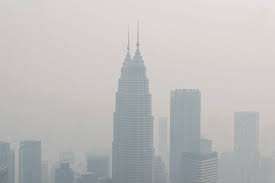
foschia, caligine
a slight obscuration of the lower atmosphere, typically caused by fine suspended particles
Esempio:
•
The mountains were barely visible through the morning haze.
Le montagne erano appena visibili attraverso la foschia mattutina.
•
A yellowish haze hung over the city.
Una foschia giallastra aleggiava sulla città.
2.
confusione, smarrimento
a state of mental confusion or unclear perception
Esempio:
•
He was still in a haze after waking up from the anesthesia.
Era ancora in una confusione dopo essersi svegliato dall'anestesia.
•
The events of that day passed in a blur, a confused haze.
Gli eventi di quel giorno passarono in un lampo, una foschia confusa.
Verbo
1.
offuscare, annebbiare
to make something unclear or difficult to see
Esempio:
•
Smoke from the fire began to haze the distant buildings.
Il fumo dell'incendio iniziò a offuscare gli edifici lontani.
•
Tears began to haze her vision.
Le lacrime iniziarono a offuscare la sua vista.
2.
sottoporre a nonnismo, umiliare
to subject (a newcomer) to abusive or humiliating tricks and ridicule
Esempio:
•
The fraternity was accused of hazing new members.
La confraternita è stata accusata di sottoporre a nonnismo i nuovi membri.
•
They decided not to haze the freshmen this year.
Hanno deciso di non sottoporre a nonnismo le matricole quest'anno.