Avatar of Vocabulary Set Base 1

Ensemble de vocabulaire Base 1 dans Jour 08 - Stratégie marketing (2) : Liste complète et détaillée

L'ensemble de vocabulaire 'Base 1' dans 'Jour 08 - Stratégie marketing (2)' est soigneusement sélectionné à partir de sources de manuels internationaux standard, vous aidant à maîtriser le vocabulaire en peu de temps. Compilation complète de définitions, exemples illustratifs et prononciation standard...

Apprendre cet ensemble de vocabulaire sur Lingoland

Apprendre maintenant

advertisement

/ˌæd.vɚˈtaɪz.mənt/

(noun) publicité, annonce

Exemple:

The company placed an advertisement in the local newspaper.
L'entreprise a placé une publicité dans le journal local.

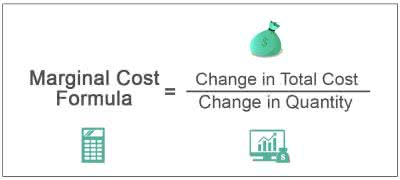
marginal

/ˈmɑːr.dʒɪ.nəl/

(adjective) marginal, limitrophe, secondaire

Exemple:

There was a marginal note in the book.
Il y avait une note marginale dans le livre.

customer

/ˈkʌs.tə.mɚ/

(noun) client

Exemple:

The store offers excellent service to its customers.
Le magasin offre un excellent service à ses clients.

influence

/ˈɪn.flu.əns/

(noun) influence, influenceur, personne influente;

(verb) influencer

Exemple:

His parents had a strong influence on his career choice.
Ses parents ont eu une forte influence sur son choix de carrière.

instantly

/ˈɪn.stənt.li/

(adverb) instantanément, immédiatement, aussitôt

Exemple:

She recognized him instantly.
Elle le reconnut instantanément.

creative

/kriˈeɪ.t̬ɪv/

(adjective) créatif, inventif

Exemple:

She has a very creative mind.
Elle a un esprit très créatif.

aggressively

/əˈɡres.ɪv.li/

(adverb) agressivement, violemment, avec détermination

Exemple:

The dog barked aggressively at the stranger.
Le chien a aboyé agressivement sur l'étranger.

aim

/eɪm/

(noun) objectif, but;

(verb) viser, pointer, viser à

Exemple:

Our main aim is to improve customer satisfaction.
Notre principal objectif est d'améliorer la satisfaction client.

strategy

/ˈstræt̬.ə.dʒi/

(noun) stratégie, plan, stratégie militaire

Exemple:

The company developed a new marketing strategy.
L'entreprise a développé une nouvelle stratégie marketing.

indicate

/ˈɪn.də.keɪt/

(verb) indiquer, montrer, suggérer

Exemple:

Please indicate your preference by checking the box.
Veuillez indiquer votre préférence en cochant la case.

attract

/əˈtrækt/

(verb) attirer, séduire

Exemple:

Magnets attract metal objects.
Les aimants attirent les objets métalliques.

experience

/ɪkˈspɪr.i.əns/

(noun) expérience, événement;

(verb) expérimenter, subir

Exemple:

He has a lot of experience in teaching.
Il a beaucoup d'expérience dans l'enseignement.

analyze

/ˈæn.əl.aɪz/

(verb) analyser, étudier

Exemple:

We need to analyze the data carefully before making a decision.
Nous devons analyser les données attentivement avant de prendre une décision.

introduce

/ˌɪn.trəˈduːs/

(verb) présenter, introduire, lancer

Exemple:

Let me introduce you to my colleague, Sarah.
Permettez-moi de vous présenter ma collègue, Sarah.

advise

/ədˈvaɪz/

(verb) conseiller, recommander, informer

Exemple:
I advise you to take a break.
Je vous conseille de faire une pause.

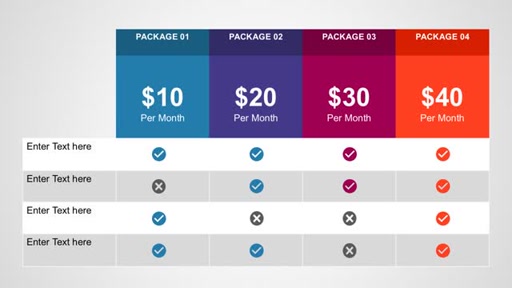
subscribe

/səbˈskraɪb/

(verb) s'abonner, souscrire, souscrire à

Exemple:

I decided to subscribe to the monthly magazine.
J'ai décidé de m'abonner au magazine mensuel.

absence

/ˈæb.səns/

(noun) absence, manque

Exemple:

Her absence from work was noted by her manager.
Son absence du travail a été notée par son manager.

means

/miːnz/

(noun) moyen, méthode, moyens;

(verb) signifier, vouloir dire, avoir l'intention de

Exemple:

He achieved his goals by fair means.
Il a atteint ses objectifs par des moyens justes.

prefer

/prɪˈfɝː/

(verb) préférer

Exemple:

I prefer coffee to tea.
Je préfère le café au thé.

advantage

/ədˈvæn.t̬ɪdʒ/

(noun) avantage, bénéfice;

(verb) avantager, favoriser

Exemple:

His height gave him an advantage in basketball.
Sa taille lui a donné un avantage au basket.

forward

/ˈfɔːr.wɚd/

(adverb) en avant, vers l'avant, vers l'avenir;

(adjective) avant, en avant, audacieux;

(verb) transférer, faire suivre;

(noun) attaquant

Exemple:

Please move forward to make space for others.
Veuillez avancer vers l'avant pour faire de la place aux autres.

contemporary

/kənˈtem.pə.rer.i/

(adjective) contemporain, simultané, actuel;

(noun) contemporain, pair

Exemple:

The artist's work is often compared to that of his contemporary peers.
Le travail de l'artiste est souvent comparé à celui de ses pairs contemporains.

discussion

/dɪˈskʌʃ.ən/

(noun) discussion, débat, entretien

Exemple:
We had a long discussion about the new project.
Nous avons eu une longue discussion sur le nouveau projet.

initial

/ɪˈnɪʃ.əl/

(adjective) initial, premier;

(noun) initiale;

(verb) parapher

Exemple:

The initial phase of the project was successful.
La phase initiale du projet a été un succès.

steadily

/ˈsted.əl.i/

(adverb) régulièrement, constamment, fermement

Exemple:
The rain fell steadily for hours.
La pluie est tombée régulièrement pendant des heures.

necessarily

/ˈnes.ə.ser.ɪl.i/

(adverb) nécessairement, forcément

Exemple:

Money doesn't necessarily buy happiness.
L'argent n'achète pas nécessairement le bonheur.

resolve

/rɪˈzɑːlv/

(verb) résoudre, régler, décider;

(noun) résolution, détermination

Exemple:

We need to resolve this issue quickly.
Nous devons résoudre ce problème rapidement.

detect

/dɪˈtekt/

(verb) détecter, découvrir, repérer

Exemple:

The system can detect even the smallest changes.
Le système peut détecter même les plus petits changements.

intensify

/ɪnˈten.sə.faɪ/

(verb) intensifier, s'intensifier

Exemple:
The storm began to intensify as it moved closer to the coast.
La tempête a commencé à s'intensifier à mesure qu'elle se rapprochait de la côte.

favorably

/ˈfeɪ.vɚ.ə.bli/

(adverb) favorablement, positivement

Exemple:
The committee reviewed the proposal favorably.
Le comité a examiné la proposition favorablement.

cover

/ˈkʌv.ɚ/

(verb) couvrir, recouvrir, traiter;

(noun) couverture, couvercle, reprise

Exemple:

She used a blanket to cover the sleeping child.
Elle a utilisé une couverture pour couvrir l'enfant endormi.

less

/les/

(determiner) moins;

(adverb) moins

Exemple:

I have less money than you.
J'ai moins d'argent que toi.

majority

/məˈdʒɔː.rə.t̬i/

(noun) majorité, âge adulte

Exemple:

The majority of people voted for the new policy.
La majorité des gens ont voté pour la nouvelle politique.

adopt

/əˈdɑːpt/

(verb) adopter, prendre

Exemple:

They decided to adopt a child from the orphanage.
Ils ont décidé d'adopter un enfant de l'orphelinat.

largely

/ˈlɑːrdʒ.li/

(adverb) largement, en grande partie, principalement

Exemple:

The success of the project depends largely on teamwork.
Le succès du projet dépend largement du travail d'équipe.

disregard

/ˌdɪs.rɪˈɡɑːrd/

(verb) ignorer, ne pas tenir compte de;

(noun) mépris, indifférence

Exemple:

You should disregard his rude comments.
Vous devriez ignorer ses commentaires impolis.

effort

/ˈef.ɚt/

(noun) effort, tentative, résultat

Exemple:

He made a great effort to finish the race.
Il a fait un grand effort pour terminer la course.

incentive

/ɪnˈsen.t̬ɪv/

(noun) incitation, motivation, stimulant

Exemple:
The bonus served as a strong incentive for employees to work harder.
La prime a servi de forte incitation pour les employés à travailler plus dur.

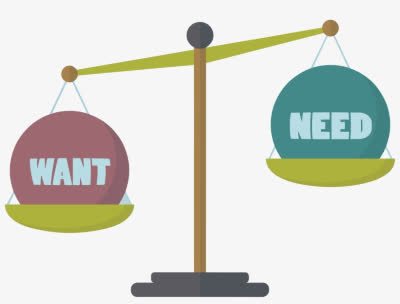
need

/niːd/

(verb) avoir besoin de, falloir;

(noun) besoin, nécessité

Exemple:

I need to go to the bank.
J'ai besoin d'aller à la banque.

mastermind

/ˈmæs.tɚ.maɪnd/

(noun) cerveau, maître d'œuvre;

(verb) orchestrer, planifier

Exemple:

The police are still searching for the mastermind behind the bank robbery.
La police recherche toujours le cerveau derrière le vol de banque.
Apprendre cet ensemble de vocabulaire sur Lingoland