Avatar of Vocabulary Set Básico 1

Conjunto de vocabulario Básico 1 en Día 08 - Estrategia de Marketing (2): Lista completa y detallada

El conjunto de vocabulario 'Básico 1' en 'Día 08 - Estrategia de Marketing (2)' está seleccionado cuidadosamente de fuentes de libros de texto estándar internacionales, ayudándote a dominar el vocabulario en poco tiempo. Incluye definiciones completas, ejemplos ilustrativos y pronunciación estándar...

Aprende este conjunto de vocabulario en Lingoland

Aprender ahora

advertisement

/ˌæd.vɚˈtaɪz.mənt/

(noun) anuncio, publicidad

Ejemplo:

The company placed an advertisement in the local newspaper.
La empresa colocó un anuncio en el periódico local.

marginal

/ˈmɑːr.dʒɪ.nəl/

(adjective) marginal, fronterizo, secundario

Ejemplo:

There was a marginal note in the book.
Había una nota marginal en el libro.

customer

/ˈkʌs.tə.mɚ/

(noun) cliente

Ejemplo:

The store offers excellent service to its customers.
La tienda ofrece un excelente servicio a sus clientes.

influence

/ˈɪn.flu.əns/

(noun) influencia, influencer, persona influyente;

(verb) influir, influenciar

Ejemplo:

His parents had a strong influence on his career choice.
Sus padres tuvieron una fuerte influencia en su elección de carrera.

instantly

/ˈɪn.stənt.li/

(adverb) instantáneamente, inmediatamente, al instante

Ejemplo:

She recognized him instantly.
Ella lo reconoció instantáneamente.

creative

/kriˈeɪ.t̬ɪv/

(adjective) creativo, ingenioso

Ejemplo:

She has a very creative mind.
Ella tiene una mente muy creativa.

aggressively

/əˈɡres.ɪv.li/

(adverb) agresivamente, con agresividad, con determinación

Ejemplo:

The dog barked aggressively at the stranger.
El perro ladró agresivamente al extraño.

aim

/eɪm/

(noun) objetivo, meta;

(verb) apuntar, dirigir, tener como objetivo

Ejemplo:

Our main aim is to improve customer satisfaction.
Nuestro principal objetivo es mejorar la satisfacción del cliente.

strategy

/ˈstræt̬.ə.dʒi/

(noun) estrategia, plan, estrategia militar

Ejemplo:

The company developed a new marketing strategy.
La empresa desarrolló una nueva estrategia de marketing.

indicate

/ˈɪn.də.keɪt/

(verb) indicar, mostrar, sugerir

Ejemplo:

Please indicate your preference by checking the box.
Por favor, indique su preferencia marcando la casilla.

attract

/əˈtrækt/

(verb) atraer, cautivar

Ejemplo:

Magnets attract metal objects.
Los imanes atraen objetos metálicos.

experience

/ɪkˈspɪr.i.əns/

(noun) experiencia, vivencia;

(verb) experimentar, vivir

Ejemplo:

He has a lot of experience in teaching.
Tiene mucha experiencia en la enseñanza.

analyze

/ˈæn.əl.aɪz/

(verb) analizar, examinar

Ejemplo:

We need to analyze the data carefully before making a decision.
Necesitamos analizar los datos cuidadosamente antes de tomar una decisión.

introduce

/ˌɪn.trəˈduːs/

(verb) presentar, introducir, lanzar

Ejemplo:

Let me introduce you to my colleague, Sarah.
Permítame presentarle a mi colega, Sarah.

advise

/ədˈvaɪz/

(verb) aconsejar, recomendar, informar

Ejemplo:
I advise you to take a break.
Te aconsejo que te tomes un descanso.

subscribe

/səbˈskraɪb/

(verb) suscribirse, abonarse, suscribir

Ejemplo:

I decided to subscribe to the monthly magazine.
Decidí suscribirme a la revista mensual.

absence

/ˈæb.səns/

(noun) ausencia, falta

Ejemplo:

Her absence from work was noted by her manager.
Su ausencia del trabajo fue notada por su gerente.

means

/miːnz/

(noun) medio, forma, medios;

(verb) significar, querer decir, tener la intención de

Ejemplo:

He achieved his goals by fair means.
Él logró sus metas por medios justos.

prefer

/prɪˈfɝː/

(verb) preferir

Ejemplo:

I prefer coffee to tea.
Prefiero café a té.

advantage

/ədˈvæn.t̬ɪdʒ/

(noun) ventaja, beneficio;

(verb) beneficiar, favorecer

Ejemplo:

His height gave him an advantage in basketball.
Su altura le dio una ventaja en el baloncesto.

forward

/ˈfɔːr.wɚd/

(adverb) adelante, hacia adelante;

(adjective) delantero, avanzado, atrevido;

(verb) reenviar, enviar;

(noun) delantero

Ejemplo:

Please move forward to make space for others.
Por favor, muévase hacia adelante para dejar espacio a los demás.

contemporary

/kənˈtem.pə.rer.i/

(adjective) contemporáneo, coetáneo, actual;

(noun) contemporáneo, coetáneo

Ejemplo:

The artist's work is often compared to that of his contemporary peers.
La obra del artista a menudo se compara con la de sus colegas contemporáneos.

discussion

/dɪˈskʌʃ.ən/

(noun) discusión, debate, conversación

Ejemplo:

We had a long discussion about the new project.
Tuvimos una larga discusión sobre el nuevo proyecto.

initial

/ɪˈnɪʃ.əl/

(adjective) inicial, primero;

(noun) inicial;

(verb) rubricar, firmar con iniciales

Ejemplo:

The initial phase of the project was successful.
La fase inicial del proyecto fue exitosa.

steadily

/ˈsted.əl.i/

(adverb) constantemente, firmemente, sin temblar

Ejemplo:
The rain fell steadily for hours.
La lluvia cayó constantemente durante horas.

necessarily

/ˈnes.ə.ser.ɪl.i/

(adverb) necesariamente, forzosamente

Ejemplo:

Money doesn't necessarily buy happiness.
El dinero no necesariamente compra la felicidad.

resolve

/rɪˈzɑːlv/

(verb) resolver, solucionar, decidir;

(noun) resolución, determinación

Ejemplo:

We need to resolve this issue quickly.
Necesitamos resolver este problema rápidamente.

detect

/dɪˈtekt/

(verb) detectar, descubrir, identificar

Ejemplo:

The system can detect even the smallest changes.
El sistema puede detectar incluso los cambios más pequeños.

intensify

/ɪnˈten.sə.faɪ/

(verb) intensificar, acentuar

Ejemplo:

The storm began to intensify as it moved closer to the coast.
La tormenta comenzó a intensificarse a medida que se acercaba a la costa.

favorably

/ˈfeɪ.vɚ.ə.bli/

(adverb) favorablemente, positivamente

Ejemplo:
The committee reviewed the proposal favorably.
El comité revisó la propuesta favorablemente.

cover

/ˈkʌv.ɚ/

(verb) cubrir, tapar, abarcar;

(noun) cubierta, tapa, versión

Ejemplo:

She used a blanket to cover the sleeping child.
Ella usó una manta para cubrir al niño dormido.

less

/les/

(determiner) menos;

(adverb) menos

Ejemplo:

I have less money than you.
Tengo menos dinero que tú.

majority

/məˈdʒɔː.rə.t̬i/

(noun) mayoría, mayoría de edad

Ejemplo:
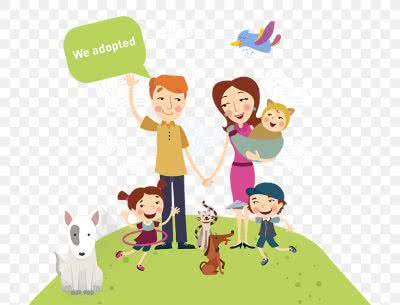
The majority of people voted for the new policy.
La mayoría de la gente votó a favor de la nueva política.

adopt

/əˈdɑːpt/

(verb) adoptar, asumir

Ejemplo:

They decided to adopt a child from the orphanage.
Decidieron adoptar un niño del orfanato.

largely

/ˈlɑːrdʒ.li/

(adverb) en gran medida, principalmente, en su mayor parte

Ejemplo:

The success of the project depends largely on teamwork.
El éxito del proyecto depende en gran medida del trabajo en equipo.

disregard

/ˌdɪs.rɪˈɡɑːrd/

(verb) ignorar, desatender;

(noun) desprecio, indiferencia

Ejemplo:

You should disregard his rude comments.
Deberías ignorar sus comentarios groseros.

effort

/ˈef.ɚt/

(noun) esfuerzo, intento, resultado

Ejemplo:

He made a great effort to finish the race.
Hizo un gran esfuerzo para terminar la carrera.

incentive

/ɪnˈsen.t̬ɪv/

(noun) incentivo, estímulo, motivación

Ejemplo:
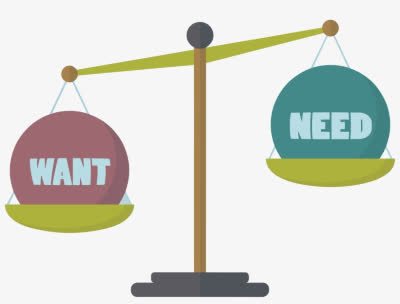
The bonus served as a strong incentive for employees to work harder.
El bono sirvió como un fuerte incentivo para que los empleados trabajaran más duro.

need

/niːd/

(verb) necesitar, requerir;

(noun) necesidad, requisito

Ejemplo:

I need to go to the bank.
Necesito ir al banco.

mastermind

/ˈmæs.tɚ.maɪnd/

(noun) cerebro, mente maestra;

(verb) planear, dirigir

Ejemplo:

The police are still searching for the mastermind behind the bank robbery.
La policía sigue buscando al cerebro detrás del robo al banco.
Aprende este conjunto de vocabulario en Lingoland