Avatar of Vocabulary Set 基础1

词汇集 基础1(属于 第 8 天 - 营销策略(2)):完整且详细的清单

词汇集「基础1」(属于「第 8 天 - 营销策略(2)」)从国际标准教材来源精心挑选,帮助您在短时间内掌握词汇。全面汇整定义、例句及标准发音…

在 Lingoland 学习此词汇集

立即学习

advertisement

/ˌæd.vɚˈtaɪz.mənt/

(noun) 广告, 宣传

示例:

The company placed an advertisement in the local newspaper.
该公司在当地报纸上刊登了一则广告

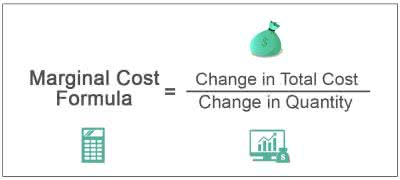
marginal

/ˈmɑːr.dʒɪ.nəl/

(adjective) 边缘的, 末端的, 微不足道的

示例:

There was a marginal note in the book.
书上有一处边缘注释。

customer

/ˈkʌs.tə.mɚ/

(noun) 顾客, 客户

示例:

The store offers excellent service to its customers.
这家商店为顾客提供优质服务。

influence

/ˈɪn.flu.əns/

(noun) 影响, 影响力, 影响者;

(verb) 影响

示例:

His parents had a strong influence on his career choice.
他的父母对他的职业选择有很大的影响

instantly

/ˈɪn.stənt.li/

(adverb) 立即, 立刻, 马上

示例:

She recognized him instantly.
立刻认出了他。

creative

/kriˈeɪ.t̬ɪv/

(adjective) 有创造力的, 创新的

示例:

She has a very creative mind.
她有一个非常有创造力的头脑。

aggressively

/əˈɡres.ɪv.li/

(adverb) 咄咄逼人地, 攻击性地, 积极地

示例:

The dog barked aggressively at the stranger.
那只狗凶猛地冲着陌生人叫。

aim

/eɪm/

(noun) 目标, 目的;

(verb) 瞄准, 对准, 旨在

示例:

Our main aim is to improve customer satisfaction.
我们的主要目标是提高客户满意度。

strategy

/ˈstræt̬.ə.dʒi/

(noun) 战略, 策略, 军事战略

示例:

The company developed a new marketing strategy.
公司制定了新的营销策略

indicate

/ˈɪn.də.keɪt/

(verb) 指示, 表明, 暗示

示例:

Please indicate your preference by checking the box.
请勾选方框以表明您的偏好。

attract

/əˈtrækt/

(verb) 吸引, 引起兴趣

示例:

Magnets attract metal objects.
磁铁吸引金属物体。

experience

/ɪkˈspɪr.i.əns/

(noun) 经验, 经历, 体验;

(verb) 经历, 体验

示例:

He has a lot of experience in teaching.
他在教学方面有丰富的经验

analyze

/ˈæn.əl.aɪz/

(verb) 分析, 解析

示例:

We need to analyze the data carefully before making a decision.
在做决定之前,我们需要仔细分析数据。

introduce

/ˌɪn.trəˈduːs/

(verb) 介绍, 推出, 引进

示例:

Let me introduce you to my colleague, Sarah.
让我把我的同事莎拉介绍给你。

advise

/ədˈvaɪz/

(verb) 建议, 劝告, 告知

示例:

I advise you to take a break.
建议你休息一下。

subscribe

/səbˈskraɪb/

(verb) 订阅, 订购, 赞同

示例:

I decided to subscribe to the monthly magazine.
我决定订阅这份月刊。

absence

/ˈæb.səns/

(noun) 缺席, 不在, 缺乏

示例:

Her absence from work was noted by her manager.
她的经理注意到了她工作上的缺席

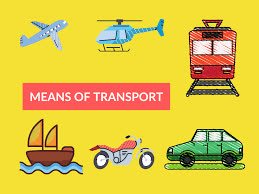
means

/miːnz/

(noun) 方法, 手段, 财力;

(verb) 意味着, 表示, 打算

示例:

He achieved his goals by fair means.
他通过正当手段实现了目标。

prefer

/prɪˈfɝː/

(verb) 更喜欢, 宁愿

示例:

I prefer coffee to tea.
更喜欢咖啡而不是茶。

advantage

/ədˈvæn.t̬ɪdʒ/

(noun) 优势, 有利条件;

(verb) 有利于, 使处于有利地位

示例:

His height gave him an advantage in basketball.
他的身高让他在篮球中占据优势

forward

/ˈfɔːr.wɚd/

(adverb) 向前, 前方, 推进;

(adjective) 前方的, 靠前的, 冒失的;

(verb) 转发, 转寄;

(noun) 前锋

示例:

Please move forward to make space for others.
向前移动,为其他人腾出空间。

contemporary

/kənˈtem.pə.rer.i/

(adjective) 同时代的, 当代的, 现代的;

(noun) 同时代的人, 同辈

示例:

The artist's work is often compared to that of his contemporary peers.
这位艺术家的作品常与他同时代的同行相比较。

discussion

/dɪˈskʌʃ.ən/

(noun) 讨论, 议论, 商议

示例:

We had a long discussion about the new project.
我们对新项目进行了长时间的讨论

initial

/ɪˈnɪʃ.əl/

(adjective) 最初的, 开始的;

(noun) 首字母, 姓名首字母;

(verb) 签上姓名首字母, 草签

示例:

The initial phase of the project was successful.
项目的初始阶段很成功。

steadily

/ˈsted.əl.i/

(adverb) 稳步地, 持续地, 稳稳地

示例:

The rain fell steadily for hours.
持续不断地下了好几个小时。

necessarily

/ˈnes.ə.ser.ɪl.i/

(adverb) 必然地, 必定

示例:

Money doesn't necessarily buy happiness.
金钱不一定能买到幸福。

resolve

/rɪˈzɑːlv/

(verb) 解决, 处理, 决心;

(noun) 决心, 决意

示例:

We need to resolve this issue quickly.
我们需要尽快解决这个问题。

detect

/dɪˈtekt/

(verb) 检测, 发现, 察觉

示例:

The system can detect even the smallest changes.
该系统可以检测到最微小的变化。

intensify

/ɪnˈten.sə.faɪ/

(verb) 加强, 加剧

示例:

The storm began to intensify as it moved closer to the coast.
风暴在向海岸靠近时开始加剧

favorably

/ˈfeɪ.vɚ.ə.bli/

(adverb) 有利地, 好评地

示例:

The committee reviewed the proposal favorably.
委员会有利地审查了该提案。

cover

/ˈkʌv.ɚ/

(verb) 覆盖, 遮盖, 涵盖;

(noun) 盖子, 封面, 翻唱

示例:

She used a blanket to cover the sleeping child.
她用毯子盖住熟睡的孩子。

less

/les/

(determiner) 更少, 较少;

(adverb) 更少, 不那么

示例:

I have less money than you.
我比你钱

majority

/məˈdʒɔː.rə.t̬i/

(noun) 大多数, 过半数, 成年

示例:

The majority of people voted for the new policy.
大多数人投票支持新政策。

adopt

/əˈdɑːpt/

(verb) 收养, 领养, 采纳

示例:

They decided to adopt a child from the orphanage.
他们决定从孤儿院收养一个孩子。

largely

/ˈlɑːrdʒ.li/

(adverb) 很大程度上, 主要地, 大部分

示例:

The success of the project depends largely on teamwork.
项目的成功很大程度上取决于团队合作。

disregard

/ˌdɪs.rɪˈɡɑːrd/

(verb) 无视, 不理会;

(noun) 无视, 不顾

示例:

You should disregard his rude comments.
你应该无视他粗鲁的评论。

effort

/ˈef.ɚt/

(noun) 努力, 尝试, 成果

示例:

He made a great effort to finish the race.
他付出了巨大的努力来完成比赛。

incentive

/ɪnˈsen.t̬ɪv/

(noun) 激励, 动机, 诱因

示例:

The bonus served as a strong incentive for employees to work harder.
奖金是激励员工更努力工作的强大动力

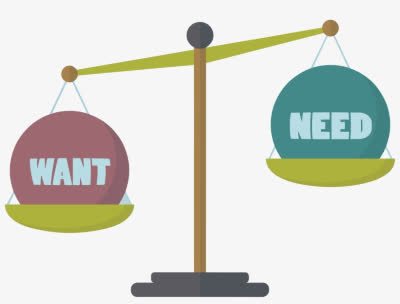
need

/niːd/

(verb) 需要, 必须;

(noun) 需要, 需求

示例:

I need to go to the bank.
需要去银行。

mastermind

/ˈmæs.tɚ.maɪnd/

(noun) 幕后主使, 策划者;

(verb) 策划, 主导

示例:

The police are still searching for the mastermind behind the bank robbery.
警方仍在搜捕银行抢劫案的幕后主使
在 Lingoland 学习此词汇集