Avatar of Vocabulary Set B1 - Succès et échec 1

Ensemble de vocabulaire B1 - Succès et échec 1 dans Niveau B1 : Liste complète et détaillée

L'ensemble de vocabulaire 'B1 - Succès et échec 1' dans 'Niveau B1' est soigneusement sélectionné à partir de sources de manuels internationaux standard, vous aidant à maîtriser le vocabulaire en peu de temps. Compilation complète de définitions, exemples illustratifs et prononciation standard...

Apprendre cet ensemble de vocabulaire sur Lingoland

Apprendre maintenant
try

/traɪ/

(verb) essayer, tenter, tester;

(noun) essai, tentative

Exemple:

I will try to finish the report by tomorrow.
Je vais essayer de terminer le rapport d'ici demain.

attempt

/əˈtempt/

(noun) tentative, essai;

(verb) tenter, essayer

Exemple:

He made an attempt to climb the mountain.
Il a fait une tentative pour gravir la montagne.

cost

/kɑːst/

(noun) coût, prix, sacrifice;

(verb) coûter, entraîner

Exemple:
The total cost of the trip was over $1000.
Le coût total du voyage était de plus de 1000 $.

difficulty

/ˈdɪf.ə.kəl.t̬i/

(noun) difficulté, malaisance, obstacle

Exemple:

We faced many difficulties during the project.
Nous avons rencontré de nombreuses difficultés pendant le projet.

advantage

/ədˈvæn.t̬ɪdʒ/

(noun) avantage, bénéfice;

(verb) avantager, favoriser

Exemple:
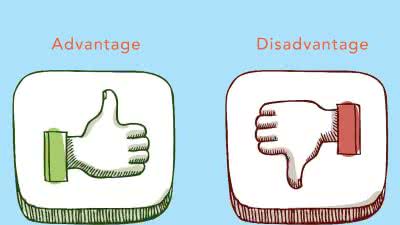
His height gave him an advantage in basketball.
Sa taille lui a donné un avantage au basket.

disadvantage

/ˌdɪs.ədˈvæn.t̬ɪdʒ/

(noun) désavantage, inconvénient;

(verb) désavantager, handicaper

Exemple:

His lack of experience was a major disadvantage.
Son manque d'expérience était un désavantage majeur.

disappointing

/ˌdɪs.əˈpɔɪn.t̬ɪŋ/

(adjective) décevant

Exemple:

The movie had a very disappointing ending.
Le film avait une fin très décevante.

expectation

/ˌek.spekˈteɪ.ʃən/

(noun) attente, espérance

Exemple:

There is an expectation that the economy will improve.
Il y a une attente que l'économie s'améliorera.

enemy

/ˈen.ə.mi/

(noun) ennemi, adversaire

Exemple:

He made many enemies during his political career.
Il s'est fait de nombreux ennemis pendant sa carrière politique.

fail

/feɪl/

(verb) échouer, rater, omettre;

(noun) échec, raté

Exemple:

He tried his best, but he still failed the exam.
Il a fait de son mieux, mais il a quand même échoué à l'examen.

failure

/ˈfeɪ.ljɚ/

(noun) échec, faillite, manquement

Exemple:

The project was a complete failure.
Le projet fut un échec complet.

trouble

/ˈtrʌb.əl/

(noun) ennuis, problèmes, ennui;

(verb) déranger, importuner

Exemple:
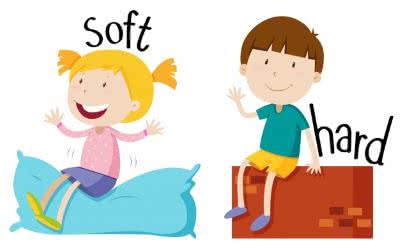
He's always getting into trouble.
Il a toujours des ennuis.

hard

/hɑːrd/

(adjective) dur, solide, difficile;

(adverb) dur, fort, difficilement

Exemple:
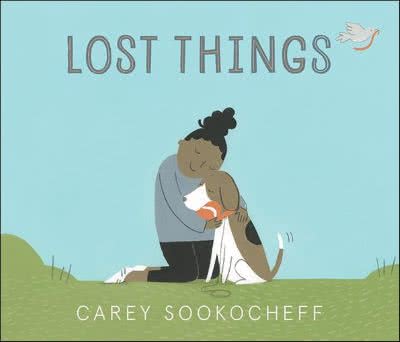
The ground was hard from the frost.
Le sol était dur à cause du gel.

lost

/lɑːst/

(adjective) perdu, égaré, disparu;

(past participle) perdu

Exemple:
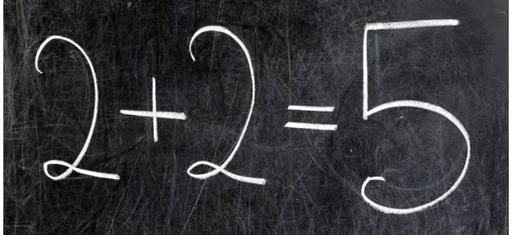
We got lost in the forest.
Nous nous sommes perdus dans la forêt.

mistake

/mɪˈsteɪk/

(noun) erreur, faute;

(verb) confondre, se tromper

Exemple:
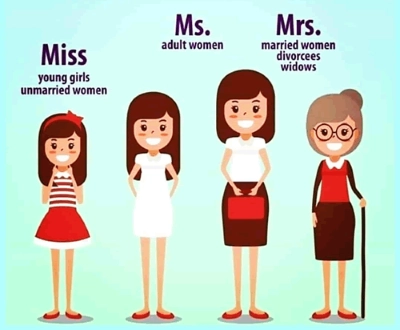
I made a mistake on the exam.
J'ai fait une erreur à l'examen.

miss

/mɪs/

(verb) manquer, rater, regretter l'absence de;

(noun) Mademoiselle

Exemple:

He swung the bat and missed the ball.
Il a balancé la batte et a raté la balle.

overcome

/ˌoʊ.vɚˈkʌm/

(verb) surmonter, vaincre, être submergé par;

(adjective) accablé, submergé

Exemple:

She managed to overcome her fear of public speaking.
Elle a réussi à surmonter sa peur de parler en public.

purpose

/ˈpɝː.pəs/

(noun) but, objectif, détermination;

(verb) avoir l'intention de, viser

Exemple:

The purpose of the meeting is to discuss the new project.
Le but de la réunion est de discuter du nouveau projet.

achieve

/əˈtʃiːv/

(verb) atteindre, réaliser, accomplir

Exemple:

She worked hard to achieve her goals.
Elle a travaillé dur pour atteindre ses objectifs.

unsuccessful

/ˌʌn.səkˈses.fəl/

(adjective) infructueux, raté

Exemple:

Their attempts to reach an agreement were unsuccessful.
Leurs tentatives de parvenir à un accord ont été infructueuses.

work

/wɝːk/

(noun) travail, ouvrage, tâche;

(verb) travailler, œuvrer, fonctionner

Exemple:

I have a lot of work to do today.
J'ai beaucoup de travail à faire aujourd'hui.

obstacle

/ˈɑːb.stə.kəl/

(noun) obstacle, entrave, barrière

Exemple:

The fallen tree was an obstacle in our path.
L'arbre tombé était un obstacle sur notre chemin.

go on

/ɡoʊ ɑːn/

(phrasal verb) continuer, se poursuivre, se passer

Exemple:
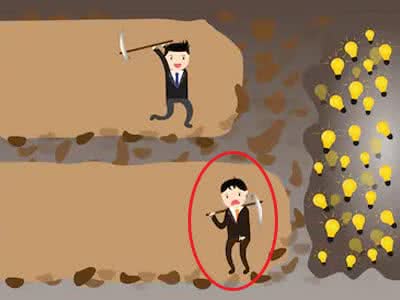
Please go on with your story.
Veuillez continuer votre histoire.

give up

/ɡɪv ˈʌp/

(phrasal verb) abandonner, renoncer, arrêter

Exemple:

Don't give up on your dreams.
N'abandonne pas tes rêves.

abandon

/əˈbæn.dən/

(verb) abandonner, quitter, renoncer à;

(noun) abandon, insouciance

Exemple:
We had to abandon the car.
Nous avons dû abandonner la voiture.

fight

/faɪt/

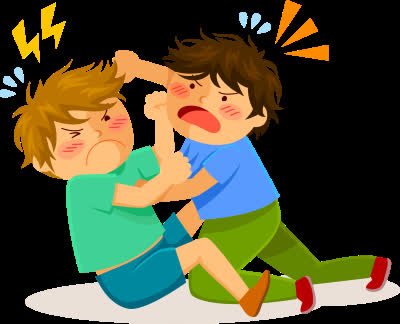
(noun) combat, bagarre, dispute;

(verb) combattre, se battre, lutter

Exemple:

The two boxers were ready for a big fight.
Les deux boxeurs étaient prêts pour un grand combat.

accomplish

/əˈkɑːm.plɪʃ/

(verb) accomplir, réaliser

Exemple:

She hopes to accomplish her goals by the end of the year.
Elle espère accomplir ses objectifs d'ici la fin de l'année.

success

/səkˈses/

(noun) succès, réussite

Exemple:

Her hard work led to the success of the project.
Son travail acharné a mené au succès du projet.

succeed

/səkˈsiːd/

(verb) réussir, avoir du succès, succéder

Exemple:

She worked hard to succeed in her career.
Elle a travaillé dur pour réussir dans sa carrière.

well-paid

/ˌwelˈpeɪd/

(adjective) bien rémunéré, bien payé

Exemple:

She got a well-paid job in the tech industry.
Elle a obtenu un emploi bien rémunéré dans l'industrie technologique.
Apprendre cet ensemble de vocabulaire sur Lingoland