Avatar of Vocabulary Set Unidad 9: Proteger el medio ambiente

Conjunto de vocabulario Unidad 9: Proteger el medio ambiente en Grado 10: Lista completa y detallada

El conjunto de vocabulario 'Unidad 9: Proteger el medio ambiente' en 'Grado 10' está seleccionado cuidadosamente de fuentes de libros de texto estándar internacionales, ayudándote a dominar el vocabulario en poco tiempo. Incluye definiciones completas, ejemplos ilustrativos y pronunciación estándar...

Aprende este conjunto de vocabulario en Lingoland

Aprender ahora

alarming

/əˈlɑːr.mɪŋ/

(adjective) alarmante, preocupante

Ejemplo:

The rapid spread of the disease is truly alarming.
La rápida propagación de la enfermedad es realmente alarmante.

balance

/ˈbæl.əns/

(noun) equilibrio, balance, saldo;

(verb) equilibrar, balancear, sopesar

Ejemplo:
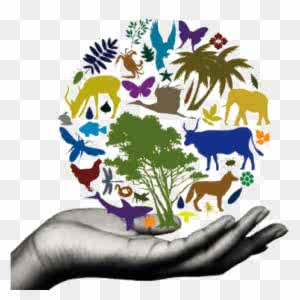
She lost her balance and fell.
Perdió el equilibrio y se cayó.

biodiversity

/ˌbaɪ.oʊ.dɪˈvɝː.sə.t̬i/

(noun) biodiversidad

Ejemplo:

Protecting rainforests is crucial for maintaining global biodiversity.
Proteger las selvas tropicales es crucial para mantener la biodiversidad global.

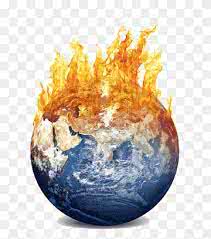
climate change

/ˈklaɪ.mət ˌtʃeɪndʒ/

(noun) cambio climático

Ejemplo:

The scientific consensus is that human activities are the primary driver of recent climate change.
El consenso científico es que las actividades humanas son el principal motor del reciente cambio climático.

consequence

/ˈkɑːn.sə.kwəns/

(noun) consecuencia, resultado, importancia

Ejemplo:
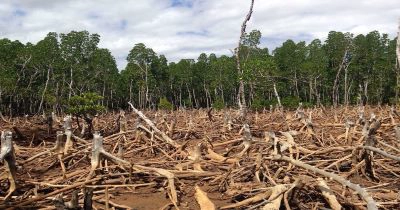
The drought had serious consequences for farmers.
La sequía tuvo graves consecuencias para los agricultores.

deforestation

/diːˌfɔːr.əˈsteɪ.ʃən/

(noun) deforestación, tala de árboles

Ejemplo:
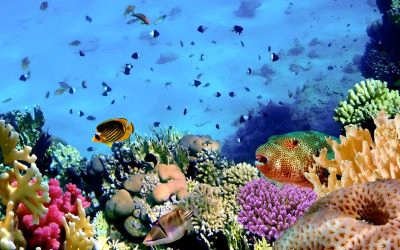
Deforestation is a major cause of climate change.
La deforestación es una causa importante del cambio climático.

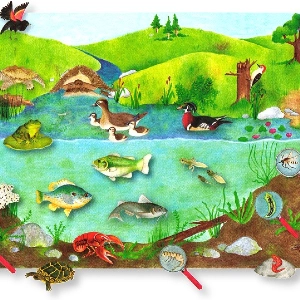
ecosystem

/ˈiː.koʊˌsɪs.təm/

(noun) ecosistema, red compleja

Ejemplo:
The rainforest is a complex ecosystem with diverse plant and animal life.
La selva tropical es un ecosistema complejo con una vida vegetal y animal diversa.

endangered

/ɪnˈdeɪn.dʒɚd/

(adjective) en peligro de extinción

Ejemplo:
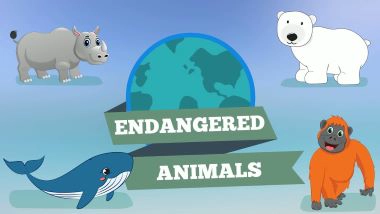
The giant panda is an endangered species.
El panda gigante es una especie en peligro de extinción.

extreme

/ɪkˈstriːm/

(adjective) extremo, máximo, límite;

(noun) extremo, grado máximo

Ejemplo:

The weather conditions were extreme.
Las condiciones climáticas eran extremas.

giant

/ˈdʒaɪ.ənt/

(noun) gigante, coloso, figura destacada;

(adjective) gigante, enorme, colosal

Ejemplo:
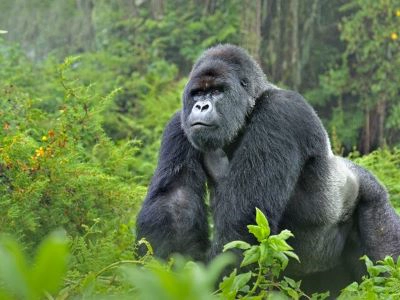
The fairy tale featured a benevolent giant who helped the villagers.
El cuento de hadas presentaba un gigante benevolente que ayudaba a los aldeanos.

gorilla

/ɡəˈrɪl.ə/

(noun) gorila, grandulón

Ejemplo:

The gorilla pounded its chest.
El gorila se golpeó el pecho.

habitat

/ˈhæb.ə.tæt/

(noun) hábitat, medio natural

Ejemplo:
The panda's natural habitat is the bamboo forest.
El hábitat natural del panda es el bosque de bambú.

heat wave

/ˈhiːt weɪv/

(noun) ola de calor

Ejemplo:

The city is experiencing a severe heat wave this week.
La ciudad está experimentando una fuerte ola de calor esta semana.

issue

/ˈɪʃ.uː/

(noun) problema, cuestión, asunto;

(verb) emitir, distribuir, publicar

Ejemplo:
The main issue is funding for the new project.
El principal problema es la financiación del nuevo proyecto.

lights-out

/ˈlaɪts.aʊt/

(noun) apagado de luces, hora de dormir, nocaut;

(adjective) nocaut, sedante

Ejemplo:
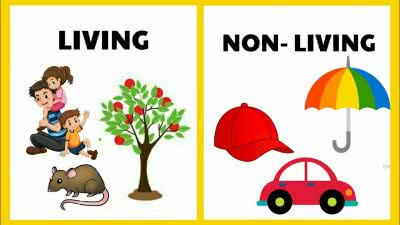
At lights-out, all soldiers must be in their bunks.
A la hora de apagar las luces, todos los soldados deben estar en sus literas.

non-living

/ˌnɑːnˈlɪv.ɪŋ/

(adjective) no vivo, inanimado

Ejemplo:
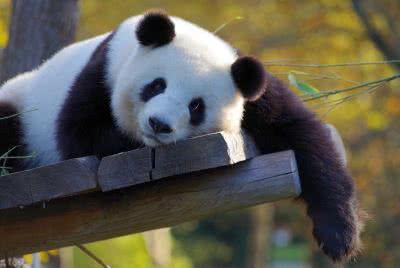
Rocks and water are examples of non-living things.
Las rocas y el agua son ejemplos de cosas no vivas.

panda

/ˈpæn.də/

(noun) panda

Ejemplo:

The giant panda is an endangered species.
El panda gigante es una especie en peligro de extinción.

pattern

/ˈpæt̬.ɚn/

(noun) patrón, diseño, tendencia;

(verb) diseñar, modelar

Ejemplo:
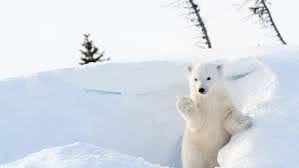
The wallpaper has a floral pattern.
El papel tapiz tiene un patrón floral.

polar

/ˈpoʊ.lɚ/

(adjective) polar, opuesto

Ejemplo:

The expedition studied polar bears in their natural habitat.
La expedición estudió osos polares en su hábitat natural.

practical

/ˈpræk.tɪ.kəl/

(adjective) práctico, útil, realista

Ejemplo:

He has a lot of practical experience in engineering.
Tiene mucha experiencia práctica en ingeniería.

respiratory

/ˈres.pə.rə.tɔːr.i/

(adjective) respiratorio

Ejemplo:

She suffered from a severe respiratory infection.
Ella sufrió una infección respiratoria grave.

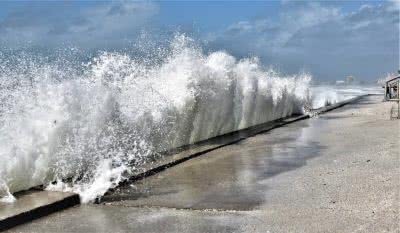
sea level

/ˈsiː ˌlev.əl/

(noun) nivel del mar

Ejemplo:

Mount Everest is 8,848 meters above sea level.
El Monte Everest está a 8.848 metros sobre el nivel del mar.

strict

/strɪkt/

(adjective) estricto, riguroso, preciso

Ejemplo:

My parents were very strict about bedtime.
Mis padres eran muy estrictos con la hora de acostarse.

suffering

/ˈsʌf.ɚ.ɪŋ/

(noun) sufrimiento, dolor, padecimiento;

(verb) sufriendo, padeciendo

Ejemplo:
The war caused immense suffering to the population.
La guerra causó un inmenso sufrimiento a la población.

territory

/ˈter.ə.tɔːr.i/

(noun) territorio, ámbito

Ejemplo:

The country expanded its territory through conquest.
El país expandió su territorio a través de la conquista.

tortoise

/ˈtɔːr.t̬əs/

(noun) tortuga terrestre

Ejemplo:

The tortoise slowly made its way across the garden.
La tortuga se abrió paso lentamente por el jardín.

upset

/ʌpˈset/

(verb) molestar, disgustar, volcar;

(adjective) molesto, disgustado, revuelto;

(noun) sorpresa, trastorno

Ejemplo:
The news really upset her.
La noticia realmente la molestó.

wildlife

/ˈwaɪld.laɪf/

(noun) vida silvestre, fauna

Ejemplo:

The national park is home to diverse wildlife.
El parque nacional es hogar de diversa vida silvestre.
Aprende este conjunto de vocabulario en Lingoland