
Historical Clothes Vocabulary Set in Clothes and Fashion: Full and Detailed List
The 'Historical Clothes' vocabulary set in 'Clothes and Fashion' is carefully selected from standard international textbook sources, helping you master vocabulary in a short time. Comprehensive compilation of definitions, illustrative examples, and standard pronunciation...
Learn this vocabulary set on Lingoland
Learn Now
/hoʊz/
Example:
He connected the hose to the faucet to water the plants.
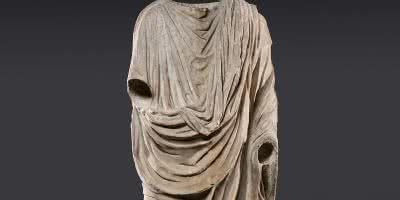
/ˈtoʊ.ɡə/
Example:
Roman senators often wore a white toga.
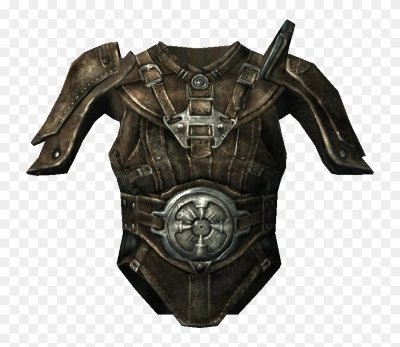
/ˈɑːr.mɚ/
Example:
The knight wore a full suit of armor into battle.
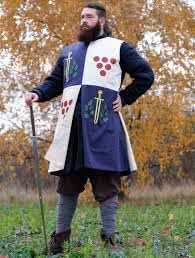
/ˈtæb.ɚd/
Example:
The knight wore a colorful tabard over his chainmail.
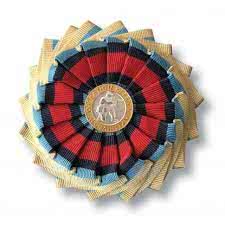
/kɑːˈkeɪd/
Example:
The officer wore a distinctive cockade on his bicorne hat.

/ˈlɔɪn.klɑːθ/
Example:
The tribal chief wore a simple loincloth.
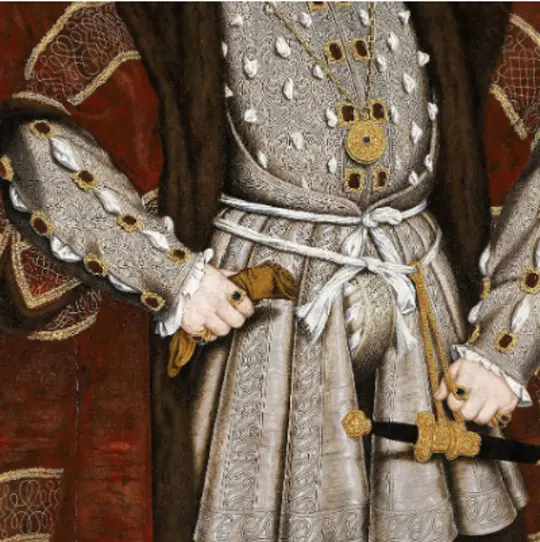
/ˈkɑːd.piːs/
Example:
The knight's armor included a prominent codpiece.

/ˈtɪp.ɪt/
Example:
She wore a warm fur tippet to the winter ball.
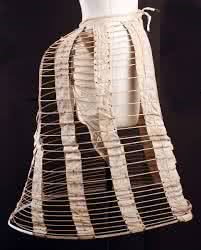
/ˈbʌs.əl/
Example:
She bustled around the kitchen, preparing dinner.
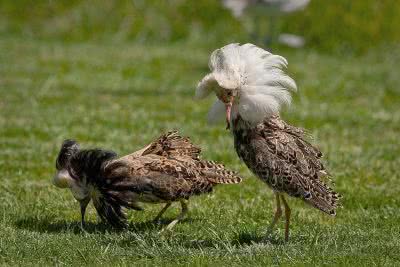
/rʌf/
Example:
The queen's portrait showed her wearing an elaborate lace ruff.
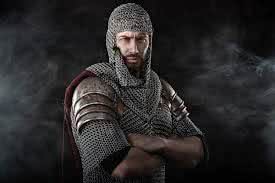
/ˈtʃeɪn meɪl/
Example:
The knight wore a full suit of chain mail into battle.
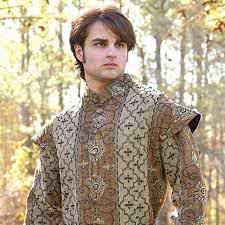
/ˈdʌb.lət/
Example:
The words 'fragile' and 'frail' are doublets, both coming from the Latin 'fragilis'.
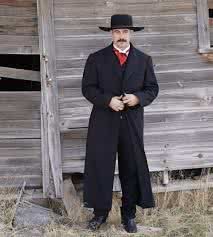
/ˈfrɑːk koʊt/
Example:
The gentleman wore a distinguished frock coat to the ball.

/meɪl/
Example:
Did you check the mail today?
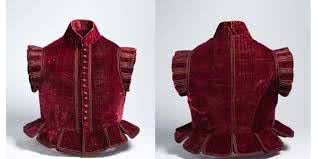
/ˈdʒɝː.kɪn/
Example:
The knight wore a leather jerkin over his chainmail.
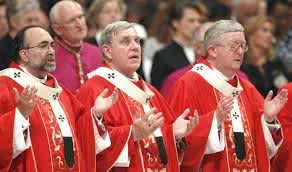
/ˈpæl.i.əm/
Example:
The philosopher was depicted wearing a traditional pallium.
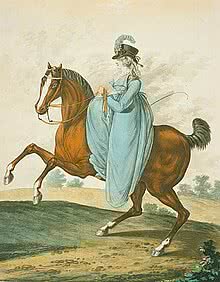
/ˈraɪdɪŋ ˌhæbɪt/
Example:
She wore a traditional green riding habit for the equestrian event.