Bedeutung des Wortes "the grass is always greener on the other side of the fence" auf Deutsch
Was bedeutet "the grass is always greener on the other side of the fence" auf Englisch? Erfahren Sie mit Lingoland die Bedeutung, Aussprache und spezifische Verwendung dieses Wortes
the grass is always greener on the other side of the fence
US /ðə ɡræs ɪz ˈɔːlweɪz ˈɡriːnər ɑːn ðə ˈʌðər saɪd əv ðə fens/
UK /ðə ɡrɑːs ɪz ˈɔːlweɪz ˈɡriːnə rɒn ðə ˈʌðə saɪd əv ðə fens/
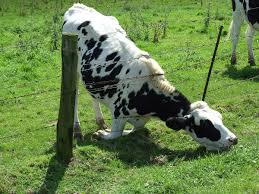
Redewendung
das Gras auf der anderen Seite ist immer grüner
used to say that other people's lives or situations always seem better than your own, even if they are not
Beispiel:
•
He keeps changing jobs because he thinks the grass is always greener on the other side of the fence.
Er wechselt ständig den Job, weil er glaubt, dass das Gras auf der anderen Seite immer grüner ist.
•
I sometimes envy my single friends, but I have to remind myself that the grass is always greener on the other side of the fence.
Manchmal beneide ich meine Single-Freunde, aber ich muss mich daran erinnern, dass das Gras auf der anderen Seite immer grüner ist.