
词汇集 身体残疾和疾病(属于 托福必备词汇):完整且详细的清单
词汇集「身体残疾和疾病」(属于「托福必备词汇」)从国际标准教材来源精心挑选,帮助您在短时间内掌握词汇。全面汇整定义、例句及标准发音…
在 Lingoland 学习此词汇集
立即学习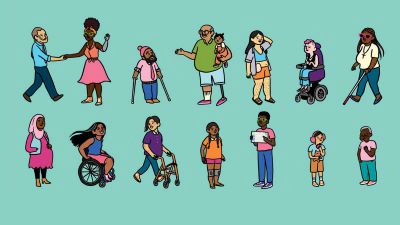
/ˌdɪs.əˈbɪl.ə.t̬i/
(noun) 残疾, 缺陷, 劣势
示例:
She has a permanent disability that affects her mobility.
她有影响行动能力的永久性残疾。
/ɪmˈper.mənt/
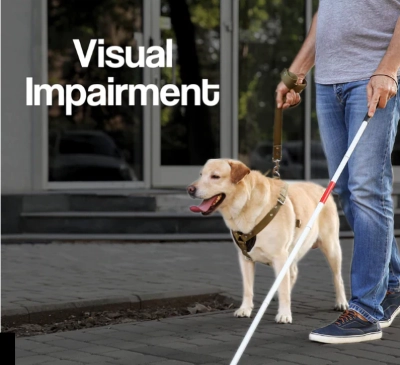
(noun) 损伤, 障碍, 损害
示例:
The accident resulted in a permanent visual impairment.
事故导致永久性视力损伤。
/eɪdz/
(abbreviation) 艾滋病
示例:
The global fight against AIDS continues to be a major public health challenge.
全球抗击艾滋病的斗争仍然是一个重大的公共卫生挑战。
/ˈkɑː.lɚ.ə/
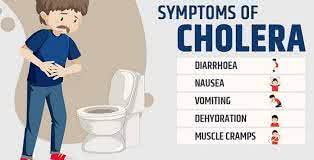
(noun) 霍乱
示例:
The village suffered a severe outbreak of cholera due to contaminated water.
由于水污染,该村爆发了严重的霍乱。
/pleɪɡ/
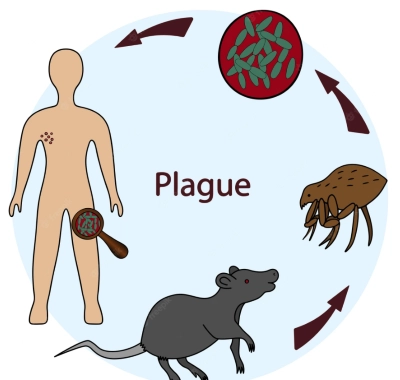
(noun) 瘟疫, 鼠疫, 祸患;
(verb) 困扰, 折磨
示例:
The Black Death was a devastating plague that swept across Europe in the 14th century.
黑死病是14世纪席卷欧洲的一场毁灭性瘟疫。
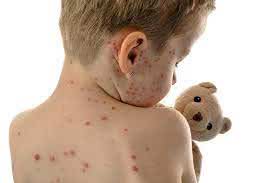
/ˈmiː.zəlz/
(noun) 麻疹
示例:
The child developed a high fever and a rash, indicating measles.
孩子出现了高烧和皮疹,表明是麻疹。
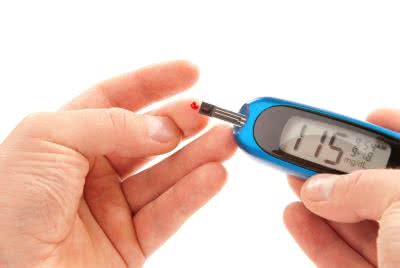
/ˌdaɪ.əˈbiː.t̬iːz/
(noun) 糖尿病
示例:
She was diagnosed with type 2 diabetes last year.
她去年被诊断出患有2型糖尿病。
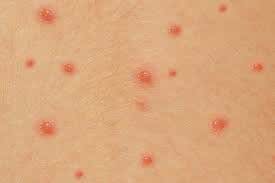
/ˈtʃɪk.ɪn.pɑːks/
(noun) 水痘
示例:
My son caught chickenpox from his classmate.
我儿子从他同学那里感染了水痘。
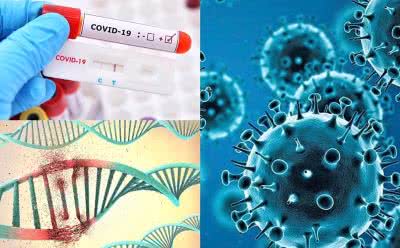
/ˌkoʊ.vɪd ˈnaɪn.tiːn/
(noun) 新冠肺炎, 2019冠状病毒病
示例:
The COVID-19 pandemic caused widespread disruption globally.
新冠肺炎大流行在全球范围内造成了广泛的破坏。

/ˈsiː.sɪk.nəs/
(noun) 晕船
示例:
She always gets seasickness when traveling by ferry.
她坐渡轮时总是会晕船。
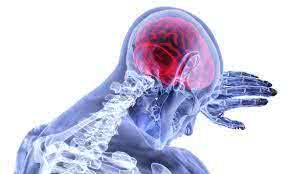
/stroʊk/
(noun) 击, 笔触, 中风;
(verb) 抚摸, 轻抚, 击打
示例:
He delivered a powerful stroke with his tennis racket.
他用网球拍打出了有力的一击。
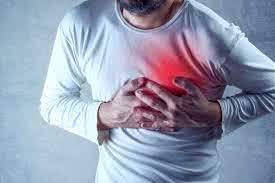
/ˈhɑːrt əˌtæk/
(noun) 心脏病发作, 心肌梗塞
示例:
He suffered a heart attack while jogging in the park.
他在公园慢跑时突发心脏病。
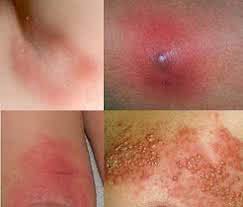
/ɪnˈfek.ʃən/
(noun) 感染, 传染, 传染病
示例:
The doctor prescribed antibiotics to treat the bacterial infection.
医生开抗生素治疗细菌感染。

/ʃɑːk/
(noun) 震惊, 惊吓, 休克;
(verb) 震惊, 使震惊
示例:
The news of his death came as a complete shock.
他去世的消息令人完全震惊。

/dʒəˈnet̬.ɪk/
(adjective) 遗传的, 基因的
示例:
The disease has a strong genetic component.
这种疾病有很强的遗传因素。

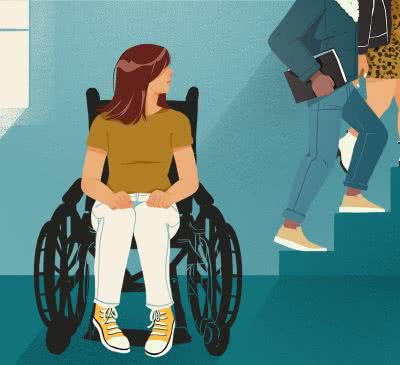
/dɪˈseɪ.bəld/
(adjective) 残疾的;
(verb) 使残疾, 使丧失能力, 禁用
示例:
The building has ramps for disabled access.
该建筑设有残疾人通道坡道。
/ˈhæn.dɪ.kæp/
(noun) 障碍, 不利条件, 缺陷;
(verb) 妨碍, 使处于不利地位, 给...设置障碍
示例:
His lack of experience was a significant handicap in the job interview.
他缺乏经验是求职面试中的一个重大障碍。
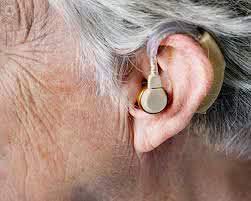
/ˈdef.nəs/
(noun) 耳聋, 失聪
示例:
She has suffered from partial deafness since childhood.
她从小就患有部分耳聋。

/ˈblaɪnd.nəs/
(noun) 失明, 盲, 盲目
示例:
She has suffered from congenital blindness since birth.
她从出生起就患有先天性失明。
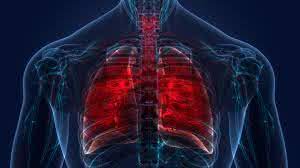
/tuːˌbɝː.kjəˈloʊ.sɪs/
(noun) 肺结核, 结核病
示例:
The patient was diagnosed with tuberculosis.
病人被诊断出患有肺结核。

/ˈspeʃ.əl niːdz/
(plural noun) 特殊需求
示例:
The school provides excellent support for children with special needs.
这所学校为有特殊需求的儿童提供出色的支持。