Avatar of Vocabulary Set A1 - 字母 O

词汇集 A1 - 字母 O(属于 Oxford 3000 - A1):完整且详细的清单

词汇集「A1 - 字母 O」(属于「Oxford 3000 - A1」)从国际标准教材来源精心挑选,帮助您在短时间内掌握词汇。全面汇整定义、例句及标准发音…

在 Lingoland 学习此词汇集

立即学习

object

/ˈɑːb.dʒɪkt/

(noun) 物体, 东西, 对象;

(verb) 反对, 异议

示例:

She picked up a strange object from the ground.
她从地上捡起一个奇怪的物体

o'clock

/əˈklɑːk/

(adverb) 点钟

示例:

It's three o'clock.
现在是三点钟

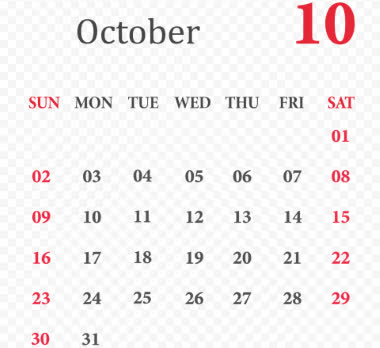
October

/ɑːkˈtoʊ.bɚ/

(noun) 十月

示例:

My birthday is in October.
我的生日在十月

of

/əv/

(preposition) 的, 关于

示例:

A piece of cake.

一块蛋糕。

off

/ɑːf/

(adverb) 离开, 脱离, 休假;

(adjective) 关闭, 断开, 取消;

(preposition) 从...上, 离开

示例:

The cat jumped off the table.
猫从桌子跳了下来。

office

/ˈɑː.fɪs/

(noun) 办公室, 办事处, 职位

示例:

I'll be at the office until 6 PM.
我会在办公室待到下午6点。

often

/ˈɑːf.ən/

(adverb) 经常, 常常

示例:

She often visits her grandparents.
经常去看望她的祖父母。

oh

/oʊ/

(interjection) 哦, 噢

示例:

Oh, I didn't see you there!
,我没看到你!

ok

/ˌoʊˈkeɪ/

(exclamation) 好的, 可以;

(adverb) 好, 顺利;

(adjective) 可以, 还行;

(verb) 批准, 同意;

(noun) 批准, 同意

示例:

“Let's meet at 7 PM.” “OK.”
“我们晚上7点见面吧。”“好的。”

old

/oʊld/

(adjective) 旧的, 过去的, 老的

示例:

In the old days, people used to write letters.
过去,人们习惯写信。

on

/ɑːn/

(preposition) 在...上, 在, 处于;

(adverb) 开着, 运行中, 继续;

(adjective) 进行中, 已安排

示例:

The book is on the table.
书在桌子上

once

/wʌns/

(adverb) 一次, 曾经, 从前;

(conjunction) 一旦, 只要

示例:

I only met him once.
我只见过他一次

one

/wʌn/

(number) 一, 一个;

(pronoun) 一个, 那个人

示例:

I have one apple.
我有一个苹果。

onion

/ˈʌn.jən/

(noun) 洋葱

示例:

Chop the onion finely for the sauce.
洋葱切碎做酱汁。

online

/ˈɑːn.laɪn/

(adverb) 在线, 网上;

(adjective) 在线的, 网上的

示例:

I bought the book online.
我在网上买了这本书。

only

/ˈoʊn.li/

(adverb) 只, 仅仅, 才;

(adjective) 唯一, 仅有的;

(conjunction) 只是, 不过

示例:

I only have five dollars left.
我只剩下五美元了。

open

/ˈoʊ.pən/

(adjective) 开着的, 开放的, 敞开的;

(verb) 打开, 开启, 开始;

(adverb) 开着;

(noun) 开阔地, 户外

示例:

The door was open.
门是开着的。

opinion

/əˈpɪn.jən/

(noun) 意见, 看法, 舆论

示例:

What's your opinion on the new policy?
你对新政策有什么看法

opposite

/ˈɑː.pə.zɪt/

(adjective) 相反的, 对面的, 截然不同的;

(noun) 反面, 对立面;

(preposition) 对面, 相对;

(adverb) 对面, 相对

示例:

The two cars were traveling in opposite directions.
两辆车朝相反方向行驶。

or

/ɔːr/

(conjunction) 或, 或者, 还是

示例:

Do you want tea or coffee?
你想要茶还是咖啡?

orange

/ˈɔːr.ɪndʒ/

(noun) 橙子;

(adjective) 橙色

示例:

She peeled an orange and ate it.
她剥了一个橙子吃了。

order

/ˈɔːr.dɚ/

(noun) 命令, 指令, 顺序;

(verb) 命令, 吩咐, 订购

示例:

The general gave the order to advance.
将军下达了前进的命令

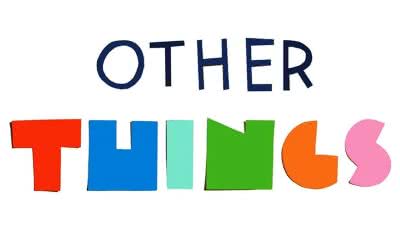
other

/ˈʌð.ɚ/

(adjective) 其他, 别的;

(pronoun) 另一个, 其他人

示例:

Do you have any other questions?

你还有其他问题吗?

our

/ˈaʊ.ɚ/

(determiner) 我们的

示例:

This is our house.
这是我们的房子。

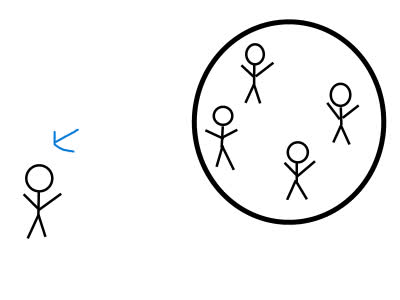
out

/aʊt/

(adverb) 出, 向外, 外出;

(adjective) 过时, 不流行;

(preposition) 出, 掉

示例:

She stepped out of the car.
她从车里出来了。

outside

/ˌaʊtˈsaɪd/

(noun) 外面, 外部, 户外;

(adjective) 外部的, 外面的;

(adverb) 在外面, 到外面;

(preposition) 在...外面

示例:

The outside of the house needs painting.
房子的外面需要粉刷。
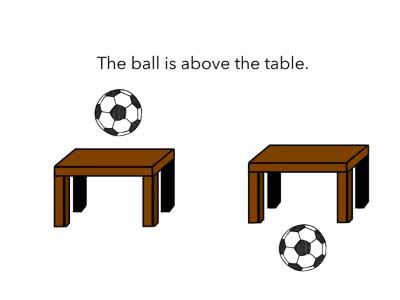
over

/ˈoʊ.vɚ/

(preposition) 在...上方, 越过, 穿过;

(adverb) 结束, 完毕, 翻过来;

(adjective) 结束, 完毕

示例:

The plane flew over the city.
飞机从城市上空飞过。

own

/oʊn/

(adjective) 自己的, 私有的;

(verb) 拥有, 持有, 承认;

(adverb) 独自, 独立

示例:

I have my own car.
我有我自己的车。
在 Lingoland 学习此词汇集