
词汇集 动物(属于 C2级别):完整且详细的清单
词汇集「动物」(属于「C2级别」)从国际标准教材来源精心挑选,帮助您在短时间内掌握词汇。全面汇整定义、例句及标准发音…
在 Lingoland 学习此词汇集
立即学习
/krɪˈpʌs.kjə.lɚ/
(adjective) 黄昏的, 暮色的, 黄昏性 (动物)
示例:
The forest takes on a mysterious glow during the crepuscular hours.
森林在黄昏时分呈现出神秘的光芒。
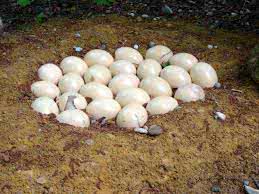
/oʊˈvɪpərəs/
(adjective) 卵生的, 产卵的
示例:
Most birds are oviparous, laying eggs that hatch outside the mother's body.
大多数鸟类都是卵生的,产下的蛋在母体外孵化。
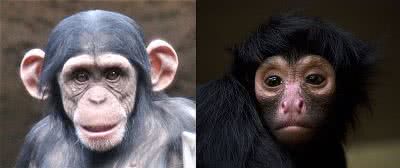
/ˈsɪm.i.ən/
(adjective) 猿猴的, 类人猿的;
(noun) 猿猴, 类人猿
示例:
The scientist studied the simian behavior in the primate enclosure.
科学家研究了灵长类围栏中的猿猴行为。
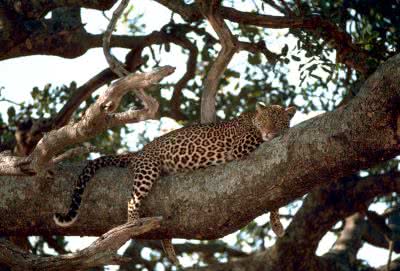
/ɑːrˈbɔːr.i.əl/
(adjective) 树栖的, 树木的
示例:
The forest was filled with various arboreal species.
森林里充满了各种树栖物种。
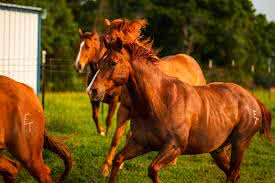
/ˈek.waɪn/
(adjective) 马的, 马科的;
(noun) 马, 马科动物
示例:
The veterinarian specializes in equine medicine.
这位兽医专攻马科医学。

/təˈres.tri.əl/
(adjective) 陆生的, 地球的, 地栖的;
(noun) 地球人, 陆生动物
示例:
Terrestrial life forms are abundant on our planet.
陆生生命形式在我们的星球上很丰富。
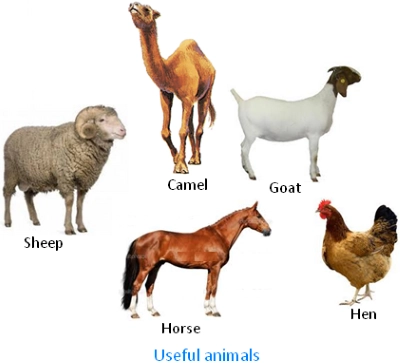
/teɪm/
(adjective) 驯服的, 温顺的, 平淡的;
(verb) 驯服, 使...温顺, 控制
示例:
The bird is quite tame and will eat from your hand.
这只鸟很温顺,会从你手上吃东西。
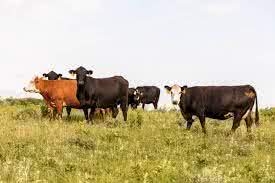
/ˈboʊ.vaɪn/
(adjective) 牛的, 牛科的, 牛亚科的
示例:
The veterinarian specializes in bovine diseases.
这位兽医专攻牛科疾病。
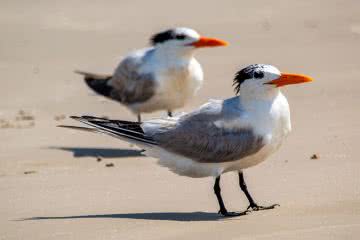
/ˈeɪ.vi.ən/
(adjective) 鸟类的, 禽类的
示例:
The study focused on avian migration patterns.
这项研究主要关注鸟类迁徙模式。
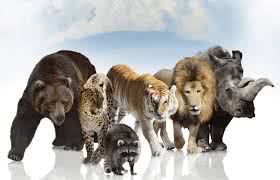
/vaɪˈvɪp.ər.əs/
(adjective) 胎生的
示例:
Humans are viviparous, giving birth to live babies.
人类是胎生的,生下活的婴儿。
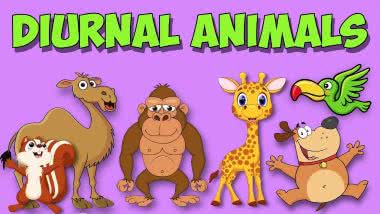
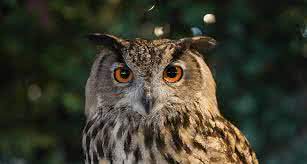
/ˌdaɪˈɝː.nəl/
(adjective) 昼行性的, 白天的, 每日的
示例:
Most birds are diurnal, meaning they are active during the day.
大多数鸟类是昼行性的,这意味着它们在白天活动。
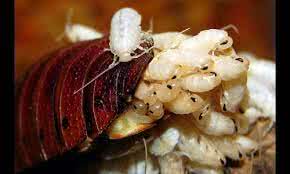
/ˌoʊvoʊvɪˈvɪpərəs/
(adjective) 卵胎生
示例:
Many species of sharks are ovoviviparous, with the embryos developing inside eggs within the mother's uterus.
许多鲨鱼物种是卵胎生的,胚胎在母亲子宫内的卵中发育。
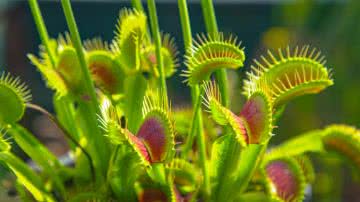
/ˌɪn.sekˈtɪv.ər.əs/
(adjective) 食虫的
示例:
Many birds are insectivorous, consuming large numbers of pests.
许多鸟类是食虫的,它们会吃掉大量的害虫。
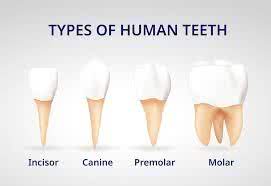
/ˈkeɪ.naɪn/
(adjective) 犬的, 犬科的;
(noun) 犬科动物, 狗, 犬齿
示例:
The veterinarian specializes in canine health.
这位兽医专攻犬类健康。
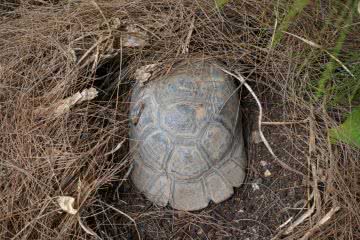
/ˌes.təˈveɪ.ʃən/
(noun) 夏眠
示例:
Many desert animals undergo estivation to survive the hot, dry summer months.
许多沙漠动物会进行夏眠以度过炎热干燥的夏季。
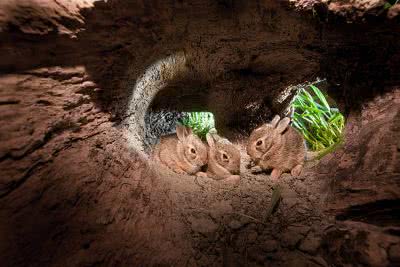
/ˈbɝː.oʊ/
(noun) 洞穴, 地洞;
(verb) 挖洞, 掘进, 钻进
示例:
The rabbit disappeared into its burrow.
兔子消失在它的洞穴里。
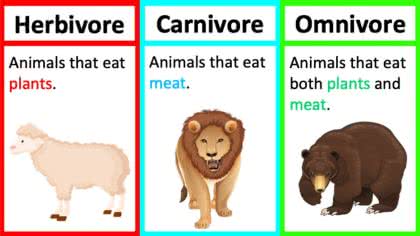
/ˈɑːm.nɪ.vɔːr/
(noun) 杂食动物
示例:
Humans are considered omnivores because they consume both plants and meat.
人类被认为是杂食动物,因为他们既吃植物也吃肉。
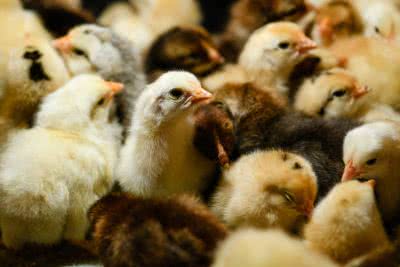
/bruːd/
(noun) 一窝, 一胎;
(verb) 沉思, 闷闷不乐, 孵化
示例:
The hen led her brood of chicks across the yard.
母鸡带着她的一窝小鸡穿过院子。
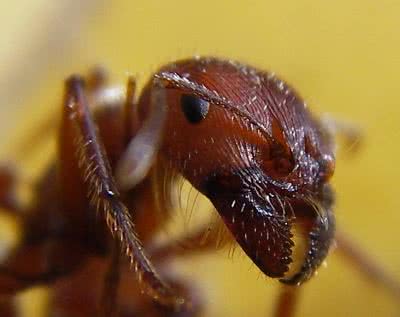
/ˈpɪn.sɚ/
(noun) 钳子, 镊子, 螯;
(verb) 夹住, 钳制
示例:
He used a pair of pincers to pull out the nail.
他用一把钳子拔出了钉子。

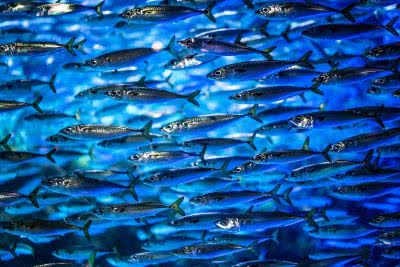
/ʃoʊl/
(noun) 鱼群, 群, 浅滩;
(verb) 变浅, 水深变浅, 成群结队
示例:
A large shoal of fish swam past the boat.
一大群鱼游过船边。

/ˈfɑː.nə/
(noun) 动物群, 动物区系
示例:
The diverse fauna of the Amazon rainforest includes jaguars, monkeys, and countless bird species.
亚马逊雨林多样化的动物群包括美洲虎、猴子和无数鸟类。
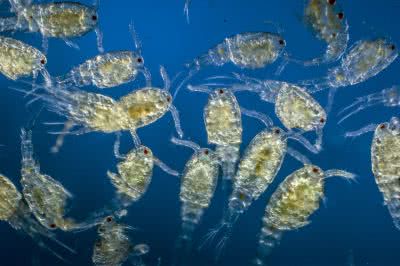
/ˌzoʊ.əˈplæŋk.tən/
(noun) 浮游动物
示例:
The ocean is teeming with tiny zooplankton.
海洋中充满了微小的浮游动物。
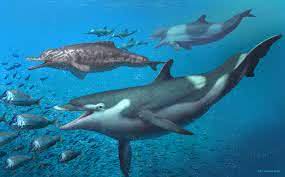
/sɪˈteɪ.ʃən/
(noun) 鲸目动物, 鲸类
示例:
Whales and dolphins are examples of cetaceans.
鲸鱼和海豚是鲸目动物的例子。
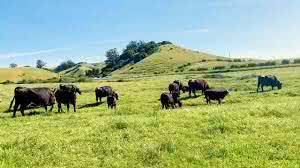
/ɡreɪz/
(verb) 吃草, 放牧, 擦伤;
(noun) 擦伤, 擦痕
示例:
Cows were grazing peacefully in the meadow.
奶牛在草地上平静地吃草。
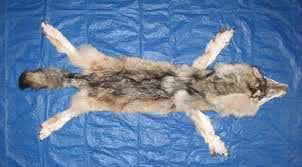
/pelt/
(verb) 投掷, 猛攻, 倾盆而下;
(noun) 毛皮, 兽皮
示例:
The children pelted each other with snowballs.
孩子们互相投掷雪球。