
詞彙集 健康狀況(屬於 C2級別):完整且詳細的清單
詞彙集「健康狀況」(屬於「C2級別」)從國際標準教材來源精心挑選,幫助您在短時間內掌握詞彙。全面彙整定義、例句及標準發音…
在 Lingoland 學習此詞彙集
立即學習
/ˌpæl.pəˈteɪ.ʃən/
(noun) 心悸, 心跳加速
範例:
She felt a sudden palpitation in her chest after running up the stairs.
她跑上樓梯後,胸口突然感到一陣心悸。

/kəˈtɑːr/
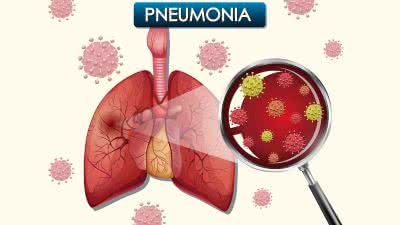
(noun) 卡他, 黏膜炎
範例:
He suffered from chronic catarrh, which made breathing difficult.
他患有慢性卡他,呼吸困難。

/məlˈeɪz/
(noun) 不適, 萎靡不振, 普遍的不安
範例:
The country was suffering from a general economic malaise.
該國正遭受普遍的經濟不景氣。

/kənˈteɪ.dʒən/
(noun) 傳染, 感染, 蔓延
範例:
The rapid spread of the virus highlighted the dangers of contagion.
病毒的迅速傳播凸顯了傳染的危險。
/kənˈdʒes.tʃən/
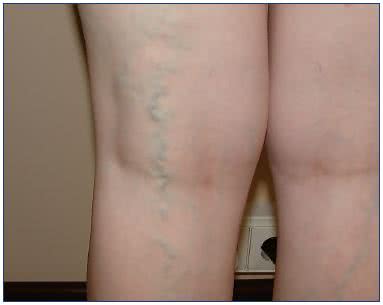
(noun) 擁堵, 堵塞, 充血
範例:
Traffic congestion is a major problem in big cities.
交通擁堵是大城市的一個主要問題。
/ˈliː.ʒən/
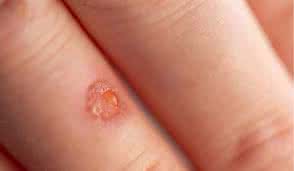
(noun) 病變, 損傷, 損害
範例:
The doctor identified a small lesion on the patient's skin.
醫生在患者皮膚上發現了一個小病變。
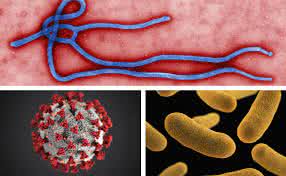
/ˈpæθ.ə.dʒən/
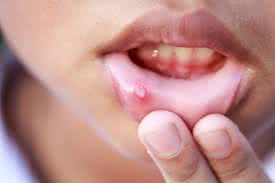
(noun) 病原體, 病菌
範例:
The scientists identified a new pathogen responsible for the outbreak.
科學家們發現了一種導致疫情爆發的新型病原體。

/ˌɪn.dɪs.pəˈzɪʃ.ən/
(noun) 不適, 小病, 不願
範例:
Due to a slight indisposition, she was unable to attend the meeting.
由於輕微的不適,她未能出席會議。


/ˌpeɪ.ʃənt ˈzɪr.oʊ/
(noun) 零號病人, 首例病例
範例:
Scientists are still trying to identify patient zero in the recent epidemic.
科學家們仍在努力確定最近疫情中的零號病人。
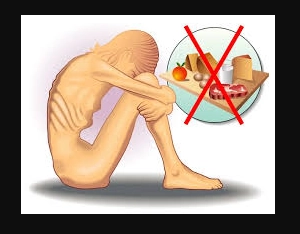
/ˌæn.əˈrek.sɪk/
(adjective) 厭食症的;
(noun) 厭食症患者
範例:
She was diagnosed with an anorexic condition.
她被診斷出患有厭食症。

/mɔːrˈbɪd.ə.t̬i/
(noun) 發病率, 患病率, 病態
範例:
The study examined the morbidity and mortality rates of the elderly.
該研究調查了老年人的發病率和死亡率。

/ˈmæl.ə.di/
(noun) 疾病, 弊病, 嚴重問題
範例:
She suffered from a mysterious malady for years.
她多年來一直患有神秘的疾病。

/əˈflɪk.ʃən/
(noun) 苦難, 疾病, 折磨
範例:
The country was plagued by the affliction of war.
這個國家飽受戰爭的苦難。
/ˈstrɪk.ən/
(adjective) 受打擊的, 受影響的;
(past participle) 打擊, 襲擊
範例:
He was stricken with grief after the loss of his pet.
寵物去世後,他悲痛欲絕。

/spraɪ/
(adjective) 活潑的, 敏捷的, 精神矍鑠的
範例:
Despite her age, she was still very spry and enjoyed dancing.
儘管年事已高,她仍然非常活潑,喜歡跳舞。
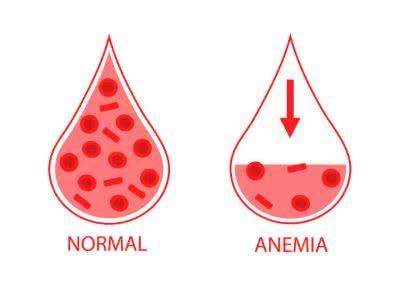
/əˈniː.mɪk/
(adjective) 貧血的, 蒼白無力, 缺乏活力
範例:
The patient was diagnosed as anemic and prescribed iron supplements.
患者被診斷為貧血,並開具了鐵補充劑。

/ˈeɪ.lɪŋ/
(adjective) 生病的, 不適的, 陷入困境的
範例:
My ailing grandmother needs constant care.
我生病的祖母需要持續的照護。
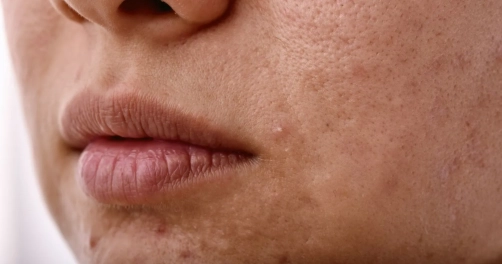
/ˈsæl.oʊ/
(adjective) 蠟黃, 蒼白
範例:
After weeks of illness, her face was thin and sallow.
病了幾周後,她的臉又瘦又蠟黃。

/spent/
(past tense) 花了, 度過了;
(adjective) 耗盡的, 筋疲力盡的
範例:
I spent all my money on books.
我把所有的錢都花在書上了。

/ˈpæl.ɪd/
(adjective) 蒼白的, 無血色的, 平淡的
範例:
Her face was pallid and drawn after the long illness.
久病之後,她的臉色蒼白而憔悴。

/ˈɡæst.li/
(adjective) 可怕的, 糟糕的, 蒼白的;
(adverb) 可怕地, 糟糕地
範例:
The accident was a ghastly sight.
那場事故真是可怕的景象。

/səˈluː.bri.əs/
(adjective) 有益健康的, 健康的
範例:
The mountain air was wonderfully salubrious.
山裡的空氣非常有益健康。
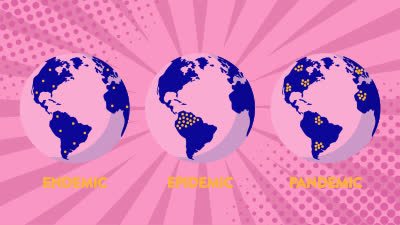
/enˈdem.ɪk/
(adjective) 地方性的, 特有的, 普遍存在的
範例:
Malaria is endemic in tropical regions.
瘧疾在熱帶地區是地方病。
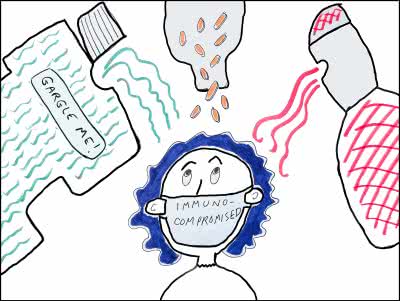
/ˌɪm.jəˌnoʊˈkɑːm.prə.maɪzd/
(adjective) 免疫功能低下的, 免疫受損的
範例:
Patients who are immunocompromised are at higher risk of severe infections.
免疫功能低下的患者感染嚴重疾病的風險更高。

/ˌeɪ.sɪmp.təˈmæt̬.ɪk/
(adjective) 無症狀的
範例:
Many people infected with the virus remain asymptomatic.
許多感染病毒的人仍然無症狀。