Avatar of Vocabulary Set B2 - 文法警察

詞彙集 B2 - 文法警察(屬於 B2級別):完整且詳細的清單

詞彙集「B2 - 文法警察」(屬於「B2級別」)從國際標準教材來源精心挑選,幫助您在短時間內掌握詞彙。全面彙整定義、例句及標準發音…

在 Lingoland 學習此詞彙集

立即學習
abbreviation

/əˌbriː.viˈeɪ.ʃən/

(noun) 縮寫

範例:

''Dr.'' is the abbreviation for ''Doctor''.
「Dr.」是「Doctor」的縮寫

article

/ˈɑːr.t̬ɪ.kəl/

(noun) 文章, 報導, 物品;

(article) 冠詞

範例:

She wrote an interesting article about climate change.
她寫了一篇關於氣候變化的有趣文章

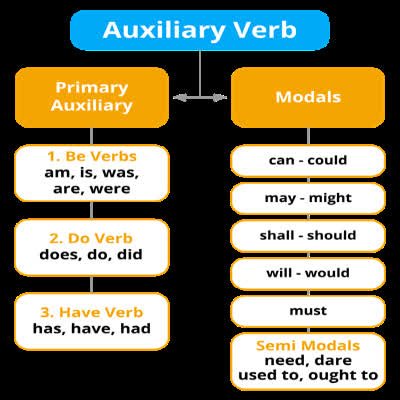
auxiliary verb

/ɔːɡˈzɪl.i.er.i vɜːrb/

(auxiliary verb) 助動詞

範例:

In the sentence 'She is singing,' 'is' is an auxiliary verb.
在句子「她正在唱歌」中,「正在」是助動詞

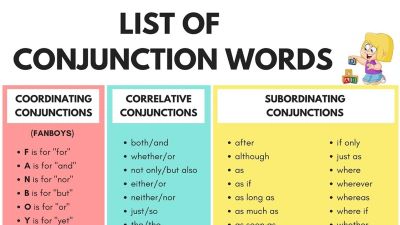
conjunction

/kənˈdʒʌŋk.ʃən/

(noun) 連接詞, 合相, 結合

範例:

The word 'and' is a common conjunction.
「和」這個詞是一個常見的連接詞

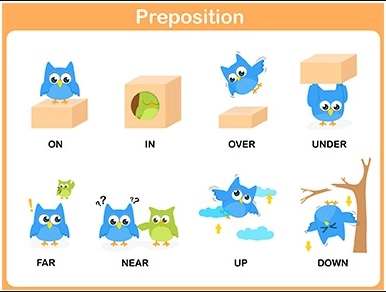
preposition

/ˌprep.əˈzɪʃ.ən/

(noun) 介詞

範例:

In the sentence “She walked to the store,” “to” is a preposition.
在句子“她走向商店”中,“向”是一個介詞

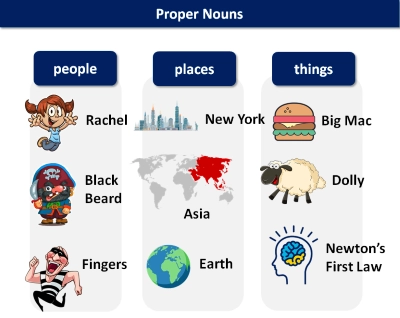
proper noun

/ˈprɑː.pɚ ˌnaʊn/

(noun) 專有名詞

範例:

In the sentence 'John went to Paris,' 'John' and 'Paris' are proper nouns.
在句子「約翰去了巴黎」中,「約翰」和「巴黎」是專有名詞

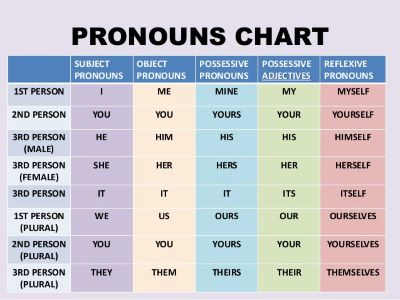
pronoun

/ˈproʊ.naʊn/

(noun) 代詞

範例:

In the sentence 'She loves him,' 'she' and 'him' are pronouns.
在句子「她愛他」中,「她」和「他」是代詞

prefix

/ˈpriː.fɪks/

(noun) 前綴;

(verb) 加前綴

範例:

The word "unhappy" has the prefix "un-".
單詞“unhappy”有前綴“un-”。

suffix

/ˈsʌf.ɪks/

(suffix) 後綴

範例:

The suffix "-ing" is often used to form present participles.
後綴“-ing”常用於構成現在分詞。

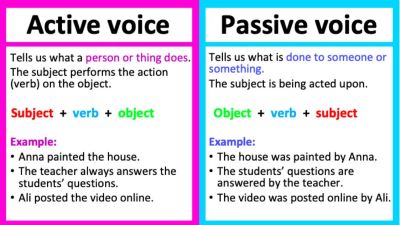
active

/ˈæk.tɪv/

(adjective) 積極的, 活躍的, 有效的

範例:

He leads a very active lifestyle, always hiking and cycling.
他過著非常積極的生活方式,總是徒步旅行和騎自行車。

passive

/ˈpæs.ɪv/

(adjective) 被動的, 消極的

範例:

He remained passive during the discussion, offering no opinions.
他在討論中保持被動,沒有發表任何意見。

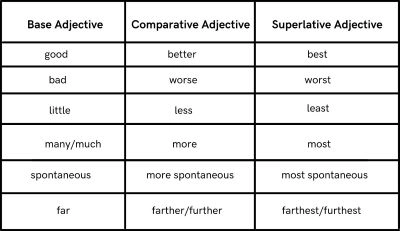
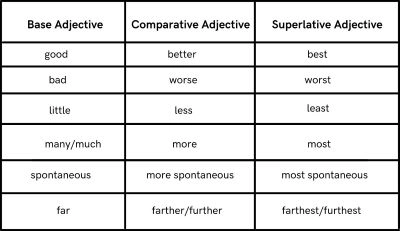
comparative

/kəmˈper.ə.t̬ɪv/

(adjective) 比較的, 相對的, 比較級;

(noun) 比較級

範例:
The study involved a comparative analysis of different teaching methods.
這項研究涉及對不同教學方法的比較分析。

superlative

/səˈpɝː.lə.t̬ɪv/

(adjective) 極好的, 超群的;

(noun) 最高級

範例:
The chef prepared a superlative meal for the guests.
廚師為客人們準備了一頓極好的飯菜。

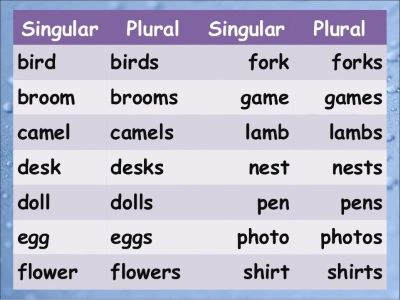
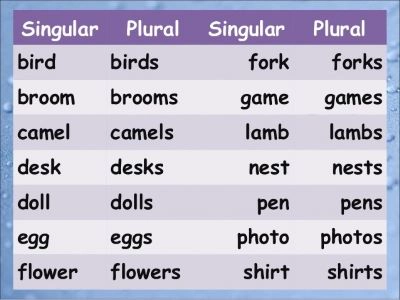
plural

/ˈplʊr.əl/

(noun) 複數;

(adjective) 複數的

範例:

The plural of 'cat' is 'cats'.
“cat”的複數是“cats”。

singular

/ˈsɪŋ.ɡjə.lɚ/

(adjective) 單數, 獨特的, 非凡的;

(noun) 單數

範例:
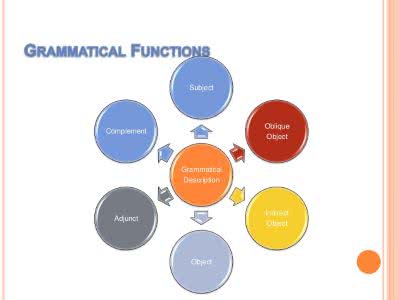
The word 'cat' is a singular noun.
「貓」這個詞是單數名詞。

grammatical

/ɡrəˈmæt̬.ɪ.kəl/

(adjective) 語法的, 符合語法的

範例:

The sentence you wrote is perfectly grammatical.
你寫的句子完全符合語法

irregular

/ɪˈreɡ.jə.lɚ/

(adjective) 不規則的, 不平坦的, 異常的

範例:

The coastline is very irregular, with many coves and inlets.
海岸線非常不規則,有許多海灣和入口。

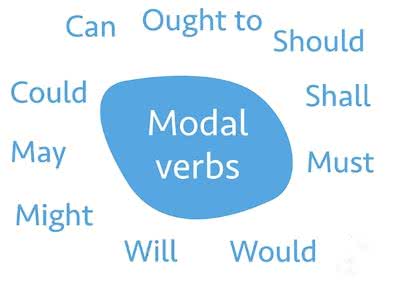
modal

/ˈmoʊ.dəl/

(adjective) 模態的, 形式的, 情態的;

(noun) 情態動詞

範例:
The architect focused on the modal aspects of the building's design.
建築師專注於建築設計的模態方面。

conditional

/kənˈdɪʃ.ən.əl/

(adjective) 有條件的, 附帶條件的, 條件的;

(noun) 條件句, 條件連接詞

範例:

The offer is conditional on a satisfactory inspection.
該提議有條件地取決於令人滿意的檢查。

perfect

/ˈpɝː.fekt/

(adjective) 完美的, 理想的, 極好的;

(verb) 完善, 使完美, 改進

範例:
She found the perfect dress for the party.
她找到了派對的完美禮服。

past participle

/pæst pɑːrˈtɪs.ə.pəl/

(past participle) 過去分詞

範例:

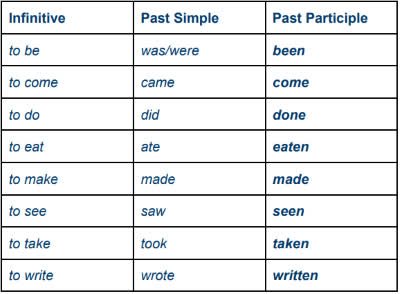
The word 'eaten' is the past participle of 'eat'.
單詞'eaten'是'eat'的過去分詞

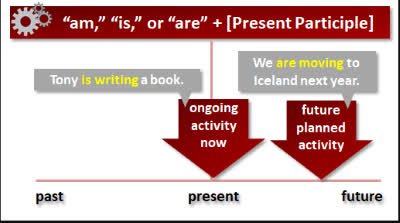
continuous

/kənˈtɪn.ju.əs/

(adjective) 連續的, 持續的

範例:

The rain was continuous for three days.
連續下了三天。

progressive

/prəˈɡres.ɪv/

(adjective) 漸進的, 逐步的, 進步的;

(noun) 進步人士, 改革派

範例:
The disease showed a progressive decline in health.
這種疾病表現出健康狀況的逐漸惡化。

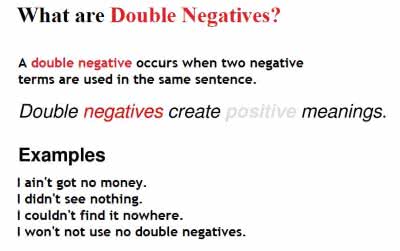
double negative

/ˌdʌbl ˈneɡətɪv/

(noun) 雙重否定

範例:

The sentence "I don't know nothing" is an example of a double negative.
「我什麼都不知道」這句話是雙重否定的例子。

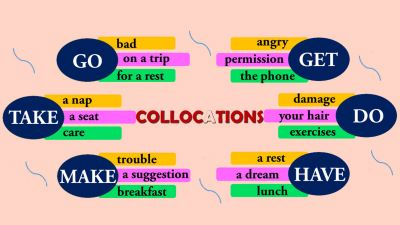
collocation

/ˌkɑː.ləˈkeɪ.ʃən/

(noun) 搭配詞, 詞語搭配

範例:

Strong coffee is a common collocation.
「濃咖啡」是一個常見的搭配

possessive

/pəˈzes.ɪv/

(adjective) 佔有慾強的, 獨佔的, 所有格的;

(noun) 所有格, 物主代詞

範例:

He became very possessive of his girlfriend.
他對女朋友變得非常佔有慾強

pronunciation

/prəˌnʌn.siˈeɪ.ʃən/

(noun) 發音

範例:

Her pronunciation of 'schedule' was distinctly American.
她對“schedule”的發音明顯是美式的。

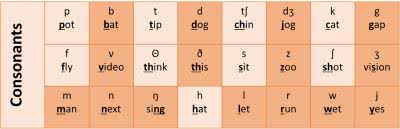
consonant

/ˈkɑːn.sə.nənt/

(noun) 輔音;

(adjective) 一致的, 和諧的

範例:

The letter 'B' represents a consonant sound.
字母“B”代表一個輔音

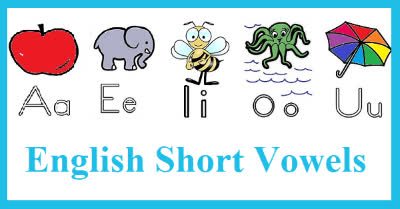
vowel

/vaʊəl/

(noun) 元音

範例:

The word 'cat' has one vowel sound.
單詞“cat”有一個元音

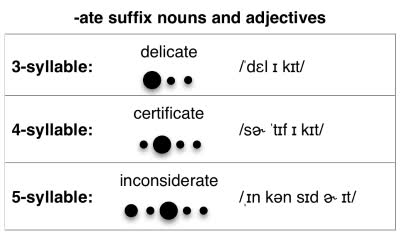
stress

/stres/

(noun) 壓力, 緊張, 重音;

(verb) 強調, 著重, 使緊張

範例:
She's been under a lot of stress lately.
她最近壓力很大。

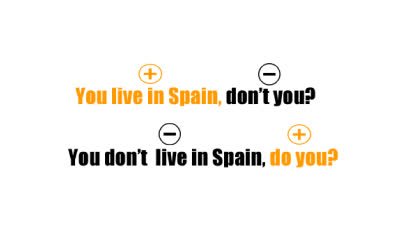
tag question

/ˈtæɡ ˌkwes.tʃən/

(noun) 反意疑問句

範例:

You're coming, aren't you?
你要來,不是嗎

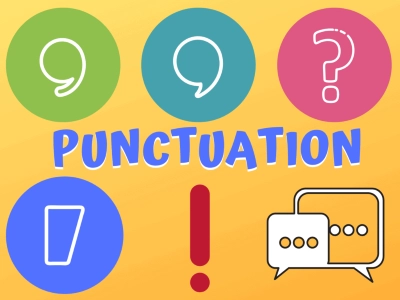
punctuation

/ˌpʌŋk.tʃuˈeɪ.ʃən/

(noun) 標點符號

範例:

Proper punctuation is essential for clear writing.
正確的標點符號對於清晰的寫作至關重要。

exclamation point

/ˌek.skləˈmeɪ.ʃən ˌpɔɪnt/

(noun) 感嘆號

範例:

Remember to add an exclamation point at the end of the sentence.
記得在句子末尾加上感嘆號

question mark

/ˈkwes.tʃən ˌmɑːrk/

(noun) 問號, 疑問, 不確定性

範例:

Always end a direct question with a question mark.
直接問句末尾總是使用問號

comma

/ˈkɑː.mə/

(noun) 逗號

範例:

Remember to put a comma before the conjunction in a compound sentence.
在複合句中,記得在連詞前加上逗號
在 Lingoland 學習此詞彙集