Avatar of Vocabulary Set B2 - Polizia grammaticale

Insieme di vocabolario B2 - Polizia grammaticale in Livello B2: Lista completa e dettagliata

L'insieme di vocabolario 'B2 - Polizia grammaticale' in 'Livello B2' è selezionato con cura da fonti di testi standard internazionali, aiutandoti a padroneggiare il vocabolario in breve tempo. Compilazione completa di definizioni, esempi illustrativi e pronuncia standard...

Impara questo insieme di vocabolario su Lingoland

Impara ora
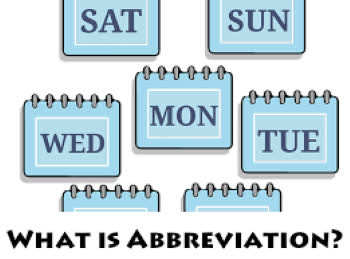
abbreviation

/əˌbriː.viˈeɪ.ʃən/

(noun) abbreviazione

Esempio:

''Dr.'' is the abbreviation for ''Doctor''.
''Dr.'' è l'abbreviazione di ''Doctor''.

article

/ˈɑːr.t̬ɪ.kəl/

(noun) articolo, oggetto;

(article) articolo

Esempio:
She wrote an interesting article about climate change.
Ha scritto un interessante articolo sul cambiamento climatico.

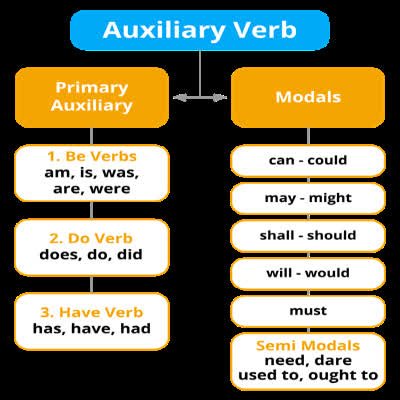
auxiliary verb

/ɔːɡˈzɪl.i.er.i vɜːrb/

(auxiliary verb) verbo ausiliare

Esempio:
In the sentence 'She is singing,' 'is' is an auxiliary verb.
Nella frase 'Lei sta cantando', 'sta' è un verbo ausiliare.

conjunction

/kənˈdʒʌŋk.ʃən/

(noun) congiunzione, coincidenza, unione

Esempio:
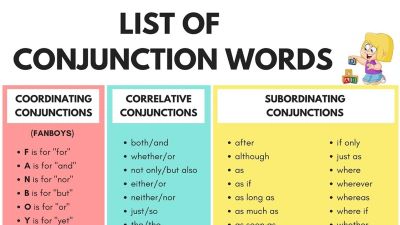
The word 'and' is a common conjunction.
La parola 'e' è una congiunzione comune.

preposition

/ˌprep.əˈzɪʃ.ən/

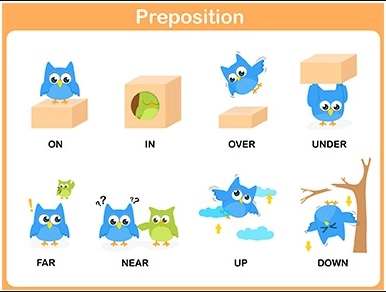
(noun) preposizione

Esempio:

In the sentence “She walked to the store,” “to” is a preposition.
Nella frase "Ha camminato verso il negozio", "verso" è una preposizione.

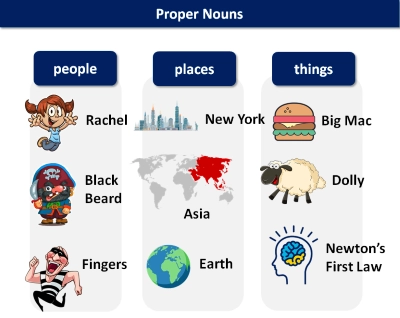
proper noun

/ˈprɑː.pɚ ˌnaʊn/

(noun) nome proprio

Esempio:

In the sentence 'John went to Paris,' 'John' and 'Paris' are proper nouns.
Nella frase 'John è andato a Parigi', 'John' e 'Parigi' sono nomi propri.

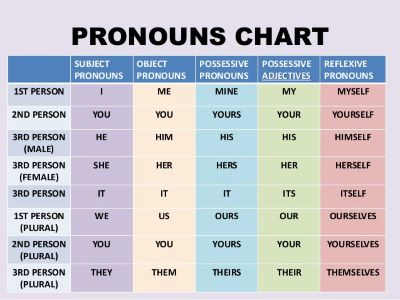
pronoun

/ˈproʊ.naʊn/

(noun) pronome

Esempio:

In the sentence 'She loves him,' 'she' and 'him' are pronouns.
Nella frase 'Lei lo ama', 'lei' e 'lo' sono pronomi.

prefix

/ˈpriː.fɪks/

(noun) prefisso;

(verb) prefiggere

Esempio:
The word "unhappy" has the prefix "un-".
La parola "unhappy" ha il prefisso "un-".

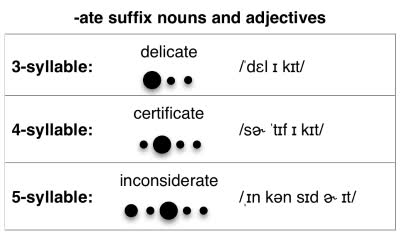
suffix

/ˈsʌf.ɪks/

(suffix) suffisso

Esempio:

The suffix "-ing" is often used to form present participles.
Il suffisso "-ing" è spesso usato per formare i participi presenti.

active

/ˈæk.tɪv/

(adjective) attivo, energico, in vigore

Esempio:

He leads a very active lifestyle, always hiking and cycling.
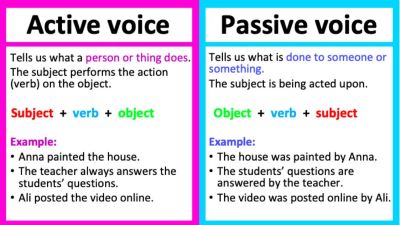
Conduce uno stile di vita molto attivo, sempre a fare escursioni e in bicicletta.

passive

/ˈpæs.ɪv/

(adjective) passivo, inattivo

Esempio:
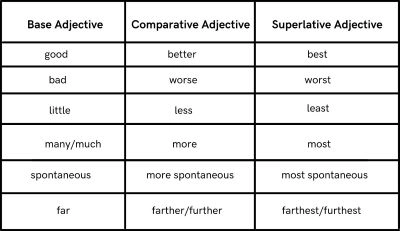
He remained passive during the discussion, offering no opinions.
È rimasto passivo durante la discussione, non offrendo alcuna opinione.

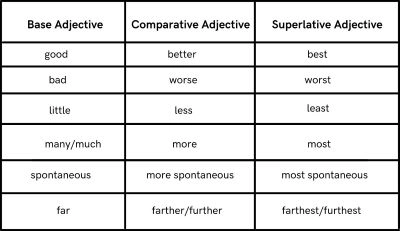
comparative

/kəmˈper.ə.t̬ɪv/

(adjective) comparativo, relativo;

(noun) comparativo

Esempio:

The study involved a comparative analysis of different teaching methods.
Lo studio ha coinvolto un'analisi comparativa di diversi metodi di insegnamento.

superlative

/səˈpɝː.lə.t̬ɪv/

(adjective) superlativo, eccellente;

(noun) superlativo

Esempio:
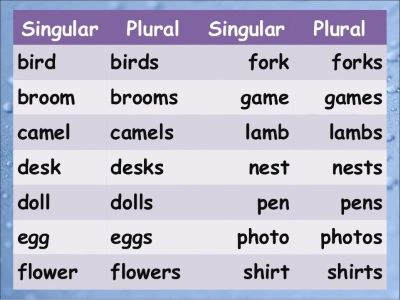
The chef prepared a superlative meal for the guests.
Lo chef ha preparato un pasto superlativo per gli ospiti.

plural

/ˈplʊr.əl/

(noun) plurale;

(adjective) plurale

Esempio:
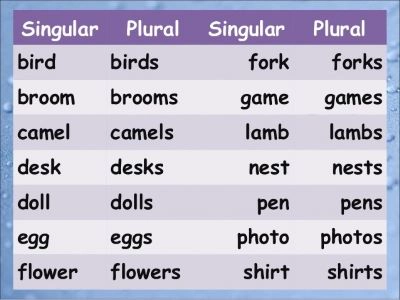
The plural of 'cat' is 'cats'.
Il plurale di 'gatto' è 'gatti'.

singular

/ˈsɪŋ.ɡjə.lɚ/

(adjective) singolare, unico, eccezionale;

(noun) il singolare

Esempio:
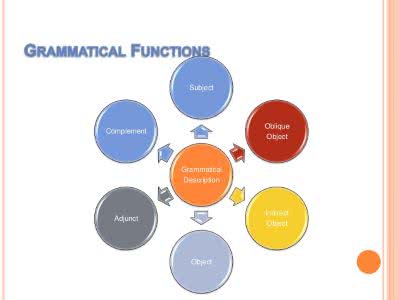
The word 'cat' is a singular noun.
La parola 'gatto' è un nome singolare.

grammatical

/ɡrəˈmæt̬.ɪ.kəl/

(adjective) grammaticale

Esempio:

The sentence you wrote is perfectly grammatical.
La frase che hai scritto è perfettamente grammaticale.

irregular

/ɪˈreɡ.jə.lɚ/

(adjective) irregolare, non uniforme, anomalo

Esempio:
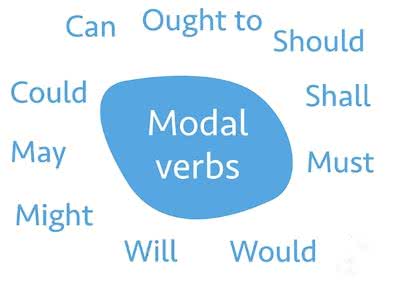
The coastline is very irregular, with many coves and inlets.
La costa è molto irregolare, con molte insenature e calette.

modal

/ˈmoʊ.dəl/

(adjective) modale, formale;

(noun) modale

Esempio:
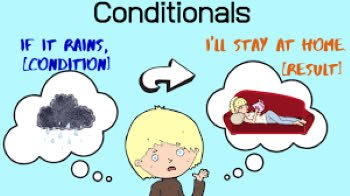
The architect focused on the modal aspects of the building's design.
L'architetto si è concentrato sugli aspetti modali del design dell'edificio.

conditional

/kənˈdɪʃ.ən.əl/

(adjective) condizionale;

(noun) condizionale, congiunzione condizionale

Esempio:

The offer is conditional on a satisfactory inspection.
L'offerta è condizionata a un'ispezione soddisfacente.

perfect

/ˈpɝː.fekt/

(adjective) perfetto, ideale, ottimo;

(verb) perfezionare, migliorare, affinare

Esempio:
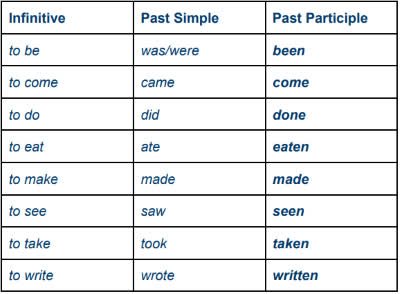
She found the perfect dress for the party.
Ha trovato il vestito perfetto per la festa.

past participle

/pæst pɑːrˈtɪs.ə.pəl/

(past participle) participio passato

Esempio:

The word 'eaten' is the past participle of 'eat'.
La parola 'eaten' è il participio passato di 'eat'.

continuous

/kənˈtɪn.ju.əs/

(adjective) continuo, ininterrotto

Esempio:
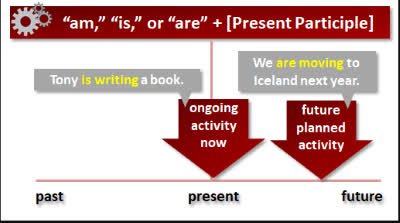
The rain was continuous for three days.
La pioggia è stata continua per tre giorni.

progressive

/prəˈɡres.ɪv/

(adjective) progressivo, graduale, progressista;

(noun) progressista, riformatore

Esempio:
The disease showed a progressive decline in health.
La malattia ha mostrato un declino progressivo della salute.

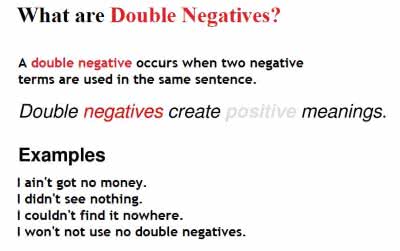
double negative

/ˌdʌbl ˈneɡətɪv/

(noun) doppia negazione

Esempio:

The sentence "I don't know nothing" is an example of a double negative.
La frase "Non so niente" è un esempio di doppia negazione.

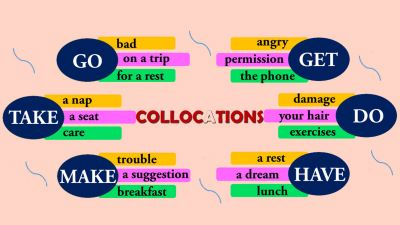
collocation

/ˌkɑː.ləˈkeɪ.ʃən/

(noun) collocazione

Esempio:

Strong coffee is a common collocation.
Caffè forte è una collocazione comune.

possessive

/pəˈzes.ɪv/

(adjective) possessivo, geloso, genitivo;

(noun) possessivo, pronome possessivo

Esempio:
He became very possessive of his girlfriend.
È diventato molto possessivo nei confronti della sua ragazza.

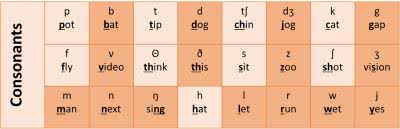
pronunciation

/prəˌnʌn.siˈeɪ.ʃən/

(noun) pronuncia

Esempio:

Her pronunciation of 'schedule' was distinctly American.
La sua pronuncia di 'schedule' era distintamente americana.

consonant

/ˈkɑːn.sə.nənt/

(noun) consonante;

(adjective) coerente, in armonia

Esempio:
The letter 'B' represents a consonant sound.
La lettera 'B' rappresenta un suono consonante.

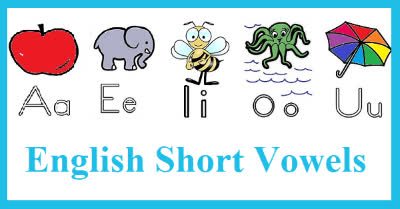
vowel

/vaʊəl/

(noun) vocale

Esempio:

The word 'cat' has one vowel sound.
La parola 'cat' ha un suono di vocale.

stress

/stres/

(noun) stress, tensione, accento;

(verb) sottolineare, enfatizzare, stressare

Esempio:
She's been under a lot of stress lately.
È stata sotto molto stress ultimamente.

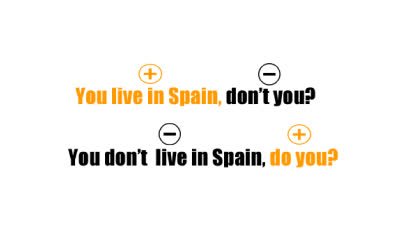
tag question

/ˈtæɡ ˌkwes.tʃən/

(noun) question tag, domanda a coda

Esempio:
You're coming, aren't you?
Stai venendo, non è vero?

punctuation

/ˌpʌŋk.tʃuˈeɪ.ʃən/

(noun) punteggiatura

Esempio:

Proper punctuation is essential for clear writing.
La punteggiatura corretta è essenziale per una scrittura chiara.

exclamation point

/ˌek.skləˈmeɪ.ʃən ˌpɔɪnt/

(noun) punto esclamativo

Esempio:

Remember to add an exclamation point at the end of the sentence.
Ricorda di aggiungere un punto esclamativo alla fine della frase.

question mark

/ˈkwes.tʃən ˌmɑːrk/

(noun) punto interrogativo, dubbio, incertezza

Esempio:
Always end a direct question with a question mark.
Termina sempre una domanda diretta con un punto interrogativo.

comma

/ˈkɑː.mə/

(noun) virgola

Esempio:

Remember to put a comma before the conjunction in a compound sentence.
Ricorda di mettere una virgola prima della congiunzione in una frase composta.
Impara questo insieme di vocabolario su Lingoland