Avatar of Vocabulary Set B2 - 문법 경찰

레벨 B2 내 B2 - 문법 경찰 어휘 세트: 완전하고 상세한 목록

'레벨 B2' 내 'B2 - 문법 경찰' 어휘 세트는 국제 표준 교재 출처에서 엄선되어 짧은 시간 안에 어휘를 마스터할 수 있도록 도와줍니다. 정의, 예문, 표준 발음을 완벽하게 수록...

Lingoland에서 이 어휘 세트 학습하기

지금 학습하기
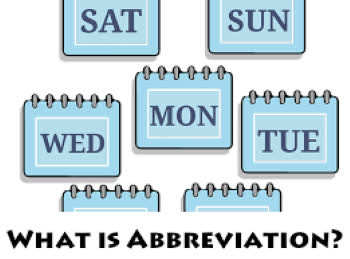
abbreviation

/əˌbriː.viˈeɪ.ʃən/

(noun) 약어

예시:

''Dr.'' is the abbreviation for ''Doctor''.
''Dr.''는 ''Doctor''의 약어입니다.

article

/ˈɑːr.t̬ɪ.kəl/

(noun) 기사, 논문, 물품;

(article) 관사

예시:

She wrote an interesting article about climate change.
그녀는 기후 변화에 대한 흥미로운 기사를 썼다.

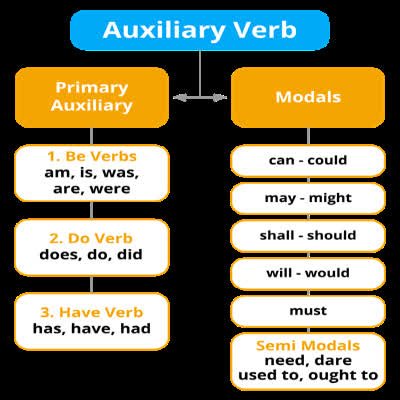
auxiliary verb

/ɔːɡˈzɪl.i.er.i vɜːrb/

(auxiliary verb) 조동사

예시:

In the sentence 'She is singing,' 'is' is an auxiliary verb.
'그녀는 노래하고 있다'에서 '하고 있다'는 조동사이다.

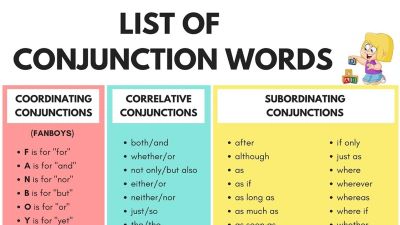
conjunction

/kənˈdʒʌŋk.ʃən/

(noun) 접속사, 합, 결합

예시:

The word 'and' is a common conjunction.
'and'는 흔한 접속사이다.

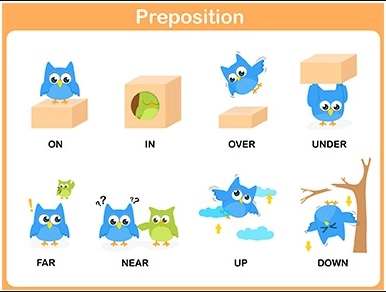
preposition

/ˌprep.əˈzɪʃ.ən/

(noun) 전치사

예시:

In the sentence “She walked to the store,” “to” is a preposition.
문장 "그녀는 가게로 걸어갔다"에서 "로"는 전치사이다.

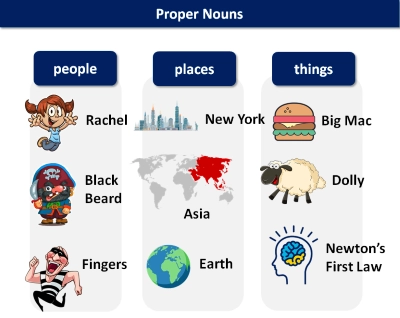
proper noun

/ˈprɑː.pɚ ˌnaʊn/

(noun) 고유명사

예시:

In the sentence 'John went to Paris,' 'John' and 'Paris' are proper nouns.
'존은 파리에 갔다'라는 문장에서 '존'과 '파리'는 고유명사이다.

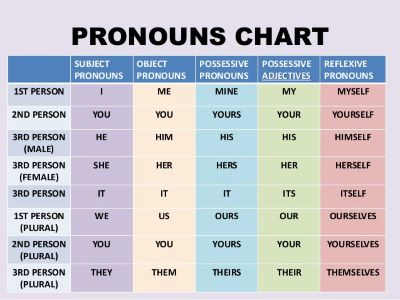
pronoun

/ˈproʊ.naʊn/

(noun) 대명사

예시:

In the sentence 'She loves him,' 'she' and 'him' are pronouns.
'그녀는 그를 사랑한다'는 문장에서 '그녀'와 '그'는 대명사이다.

prefix

/ˈpriː.fɪks/

(noun) 접두사;

(verb) 접두사를 붙이다

예시:

The word "unhappy" has the prefix "un-".
"unhappy"라는 단어에는 "un-"이라는 접두사가 있습니다.

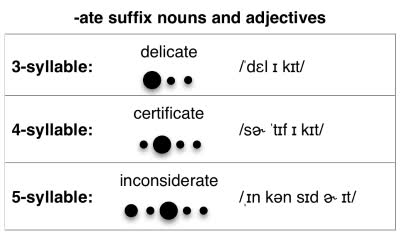
suffix

/ˈsʌf.ɪks/

(suffix) 접미사

예시:

The suffix "-ing" is often used to form present participles.
접미사 "-ing"는 현재분사를 만드는 데 자주 사용됩니다.

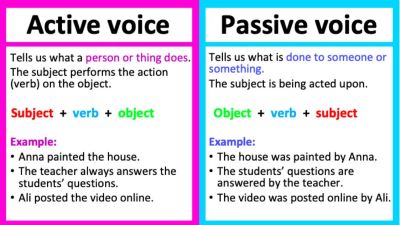
active

/ˈæk.tɪv/

(adjective) 활동적인, 적극적인, 활동 중인

예시:

He leads a very active lifestyle, always hiking and cycling.
그는 항상 하이킹과 자전거를 타며 매우 활동적인 생활 방식을 유지합니다.

passive

/ˈpæs.ɪv/

(adjective) 수동적인, 소극적인, 수동태의

예시:

He remained passive during the discussion, offering no opinions.
그는 토론 내내 수동적으로 남아 아무 의견도 제시하지 않았다.

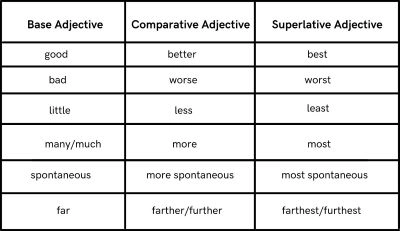
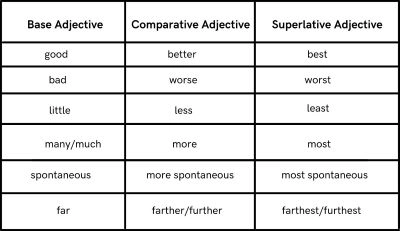
comparative

/kəmˈper.ə.t̬ɪv/

(adjective) 비교의, 상대적인, 비교급;

(noun) 비교급

예시:
The study involved a comparative analysis of different teaching methods.
그 연구는 다양한 교수법에 대한 비교 분석을 포함했다.

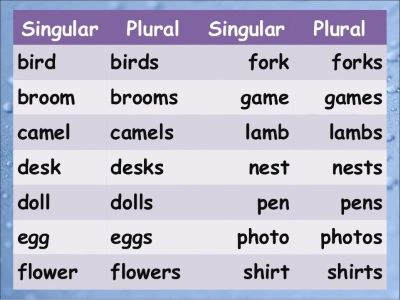
superlative

/səˈpɝː.lə.t̬ɪv/

(adjective) 최고의, 최상급의;

(noun) 최상급

예시:
The chef prepared a superlative meal for the guests.
요리사는 손님들을 위해 최고의 식사를 준비했다.

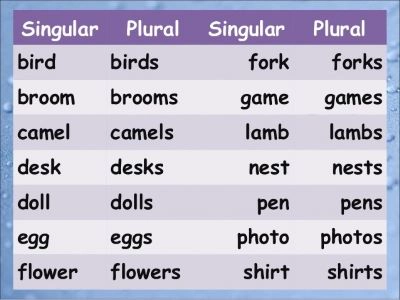
plural

/ˈplʊr.əl/

(noun) 복수형;

(adjective) 복수의

예시:

The plural of 'cat' is 'cats'.
'cat'의 복수형은 'cats'이다.

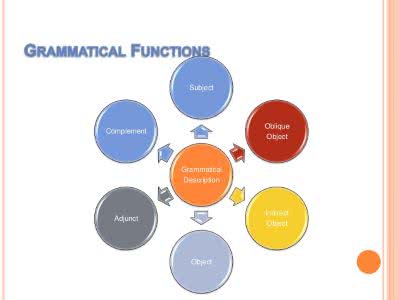
singular

/ˈsɪŋ.ɡjə.lɚ/

(adjective) 단수, 독특한, 뛰어난;

(noun) 단수형

예시:
The word 'cat' is a singular noun.
'고양이'라는 단어는 단수 명사입니다.

grammatical

/ɡrəˈmæt̬.ɪ.kəl/

(adjective) 문법적인, 문법의

예시:

The sentence you wrote is perfectly grammatical.
당신이 쓴 문장은 완벽하게 문법적이다.

irregular

/ɪˈreɡ.jə.lɚ/

(adjective) 불규칙한, 고르지 않은, 비정상적인

예시:

The coastline is very irregular, with many coves and inlets.
해안선은 많은 작은 만과 입구로 인해 매우 불규칙적이다.

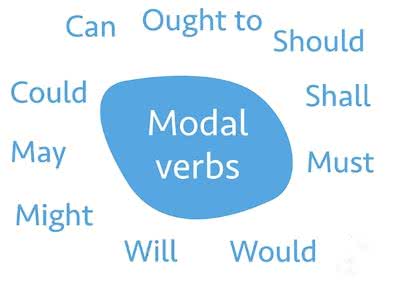
modal

/ˈmoʊ.dəl/

(adjective) 양상의, 형식의, 조동사의;

(noun) 조동사

예시:
The architect focused on the modal aspects of the building's design.
건축가는 건물 디자인의 양상적 측면에 초점을 맞췄다.

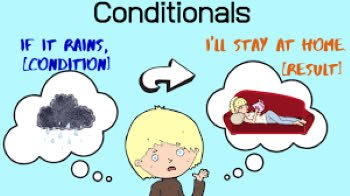
conditional

/kənˈdɪʃ.ən.əl/

(adjective) 조건부의, 조건의;

(noun) 조건절, 조건 접속사

예시:

The offer is conditional on a satisfactory inspection.
그 제안은 만족스러운 검사에 조건부이다.

perfect

/ˈpɝː.fekt/

(adjective) 완벽한, 완전한, 이상적인;

(verb) 완벽하게 하다, 완성하다, 개선하다

예시:
She found the perfect dress for the party.
그녀는 파티에 완벽한 드레스를 찾았다.

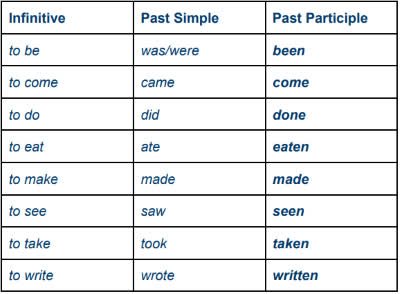
past participle

/pæst pɑːrˈtɪs.ə.pəl/

(past participle) 과거 분사

예시:

The word 'eaten' is the past participle of 'eat'.
'eaten'은 'eat'의 과거 분사입니다.

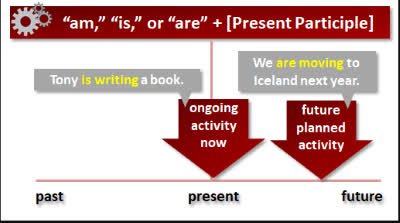
continuous

/kənˈtɪn.ju.əs/

(adjective) 연속적인, 끊임없는

예시:

The rain was continuous for three days.
비가 사흘 내내 계속 내렸다.

progressive

/prəˈɡres.ɪv/

(adjective) 점진적인, 진행적인, 진보적인;

(noun) 진보주의자, 개혁가

예시:
The disease showed a progressive decline in health.
그 질병은 건강의 점진적인 저하를 보였다.

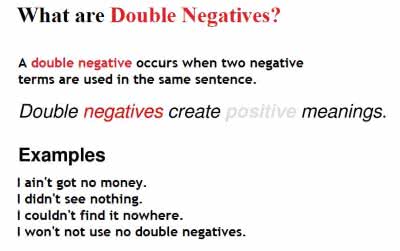
double negative

/ˌdʌbl ˈneɡətɪv/

(noun) 이중 부정

예시:

The sentence "I don't know nothing" is an example of a double negative.
“나는 아무것도 모른다”는 문장은 이중 부정의 예시이다.

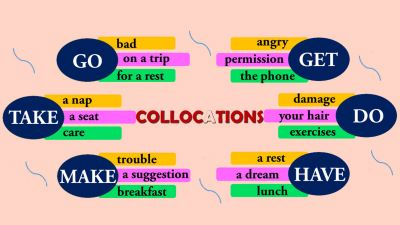
collocation

/ˌkɑː.ləˈkeɪ.ʃən/

(noun) 연어, 어울림

예시:

Strong coffee is a common collocation.
강한 커피는 흔한 연어이다.

possessive

/pəˈzes.ɪv/

(adjective) 소유욕이 강한, 독점적인, 소유격의;

(noun) 소유격, 소유대명사

예시:

He became very possessive of his girlfriend.
그는 여자친구에게 매우 소유욕이 강해졌다.

pronunciation

/prəˌnʌn.siˈeɪ.ʃən/

(noun) 발음

예시:

Her pronunciation of 'schedule' was distinctly American.
그녀의 'schedule' 발음은 분명히 미국식이었다.

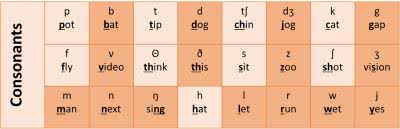
consonant

/ˈkɑːn.sə.nənt/

(noun) 자음;

(adjective) 일치하는, 조화로운

예시:
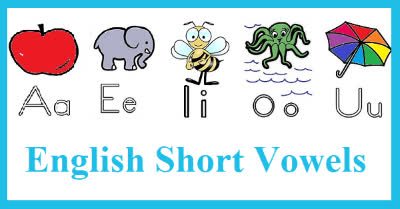
The letter 'B' represents a consonant sound.
문자 'B'는 자음 소리를 나타냅니다.

vowel

/vaʊəl/

(noun) 모음

예시:

The word 'cat' has one vowel sound.
'cat'이라는 단어에는 모음 소리가 하나 있습니다.

stress

/stres/

(noun) 스트레스, 압박, 강세;

(verb) 강조하다, 역설하다, 스트레스 주다

예시:
She's been under a lot of stress lately.
그녀는 최근 많은 스트레스를 받고 있다.

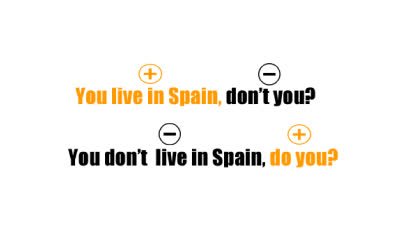
tag question

/ˈtæɡ ˌkwes.tʃən/

(noun) 부가 의문문

예시:

You're coming, aren't you?
오고 있지, 그렇지?

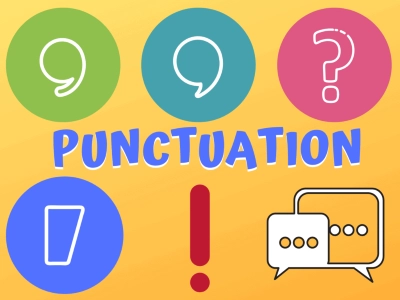
punctuation

/ˌpʌŋk.tʃuˈeɪ.ʃən/

(noun) 구두점, 문장 부호

예시:

Proper punctuation is essential for clear writing.
명확한 글쓰기에는 올바른 구두점이 필수적이다.

exclamation point

/ˌek.skləˈmeɪ.ʃən ˌpɔɪnt/

(noun) 느낌표

예시:

Remember to add an exclamation point at the end of the sentence.
문장 끝에 느낌표를 추가하는 것을 잊지 마세요.

question mark

/ˈkwes.tʃən ˌmɑːrk/

(noun) 물음표, 의문, 불확실성

예시:

Always end a direct question with a question mark.
직접 질문은 항상 물음표로 끝내세요.

comma

/ˈkɑː.mə/

(noun) 쉼표

예시:

Remember to put a comma before the conjunction in a compound sentence.
복합문에서 접속사 앞에 쉼표를 찍는 것을 잊지 마세요.
Lingoland에서 이 어휘 세트 학습하기