
Avatar of Vocabulary Set โครงสร้าง

ชุดคำศัพท์ โครงสร้าง ในชุด โครงสร้างแบบทดสอบคำศัพท์และภาพประกอบ: รายการเต็มรูปแบบและละเอียด

ชุดคำศัพท์ 'โครงสร้าง' ในชุด 'โครงสร้างแบบทดสอบคำศัพท์และภาพประกอบ' คัดเลือกอย่างพิถีพิถันจากแหล่งตำราสากลมาตรฐาน ช่วยให้คุณเชี่ยวชาญคำศัพท์ในเวลาอันสั้น รวมคำนิยาม ตัวอย่างประกอบ และการออกเสียงมาตรฐาน...

เรียนชุดคำศัพท์นี้ที่ Lingoland

เรียนเลย

make friends

/meɪk frendz/

(idiom) ผูกมิตร, หาเพื่อน

ตัวอย่าง:

It can be difficult to make friends in a new city.
การผูกมิตรในเมืองใหม่อาจเป็นเรื่องยาก

chat about

/tʃæt əˈbaʊt/

(phrasal verb) พูดคุยเกี่ยวกับ, คุยเล่นเรื่อง

ตัวอย่าง:

We spent the afternoon chatting about our old school days.
พวกเราใช้เวลาช่วงบ่ายพูดคุยเกี่ยวกับสมัยเรียนเก่าๆ ของเรา

show something to someone

/ʃoʊ ˈsʌm.θɪŋ tu ˈsʌm.wʌn/

(phrase) แสดงบางอย่างให้บางคนดู, เอาบางอย่างให้บางคนดู

ตัวอย่าง:

Can you show your photos to me?
คุณช่วยเอาเขารูปภาพของคุณให้ฉันดูหน่อยได้ไหม

make contact with

/meɪk ˈkɑːntækt wɪθ/

(phrase) ติดต่อ, สร้างการติดต่อกับ, สัมผัส

ตัวอย่าง:

I need to make contact with the client regarding the new proposal.
ฉันต้องติดต่อลูกค้าเกี่ยวกับข้อเสนอใหม่

prefer to

/prɪˈfɜːr tuː/

(verb) ชอบที่จะ, เลือกที่จะ

ตัวอย่าง:

I prefer to stay at home rather than go out tonight.
ฉันชอบที่จะอยู่บ้านมากกว่าออกไปข้างนอกคืนนี้

throw away

/θroʊ əˈweɪ/

(phrasal verb) ทิ้ง, กำจัด, ทิ้งขว้าง

ตัวอย่าง:
Don't throw away those old clothes; I can donate them.
อย่าทิ้งเสื้อผ้าเก่าพวกนั้นนะ ฉันเอาไปบริจาคได้

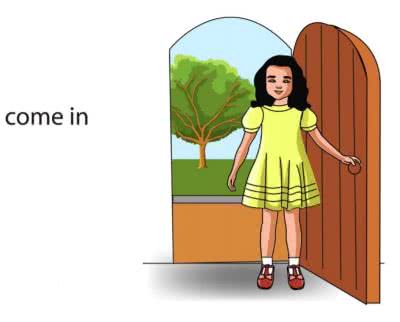
come in

/kʌm ɪn/

(phrasal verb) เข้ามา, เข้าข้างใน, เป็นที่นิยม

ตัวอย่าง:

Please come in, the door is open.
เชิญเข้ามาได้เลย ประตูเปิดอยู่

give in

/ɡɪv ɪn/

(phrasal verb) ยอมแพ้, ยอมจำนน, พังทลาย

ตัวอย่าง:

My parents finally gave in and let me go to the party.
พ่อแม่ของฉันในที่สุดก็ยอมแพ้และให้ฉันไปงานปาร์ตี้

pass out

/pæs aʊt/

(phrasal verb) หมดสติ, เป็นลม, แจกจ่าย

ตัวอย่าง:
She felt dizzy and thought she was going to pass out.
เธอรู้สึกเวียนหัวและคิดว่าจะหมดสติ

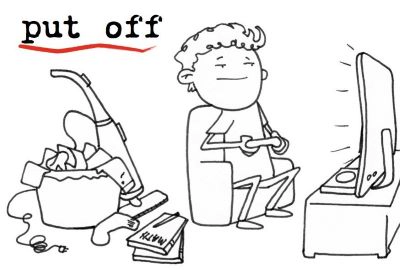
put off

/pʊt ɔf/

(phrasal verb) เลื่อน, ผัดผ่อน, ทำให้หมดกำลังใจ

ตัวอย่าง:

Don't put off until tomorrow what you can do today.
อย่าเลื่อนสิ่งที่ทำได้วันนี้ไปเป็นพรุ่งนี้

instead of

/ɪnˈsted ʌv/

(preposition) แทนที่จะ

ตัวอย่าง:

We decided to go to the park instead of the cinema.
เราตัดสินใจไปสวนสาธารณะแทนที่จะไปโรงภาพยนตร์

on account of

/ɑːn əˈkaʊnt əv/

(phrase) เนื่องจาก, เพราะว่า

ตัวอย่าง:

The game was canceled on account of the rain.
การแข่งขันถูกยกเลิกเนื่องจากฝนตก

irrespective of

/ˌɪr.əˈspek.tɪv əv/

(preposition) โดยไม่คำนึงถึง, ไม่ว่า...ก็ตาม

ตัวอย่าง:

The rules apply to everyone, irrespective of their age.
กฎระเบียบนี้ใช้กับทุกคน โดยไม่คำนึงถึงอายุ

in view of

/ɪn vjuː əv/

(phrase) เมื่อพิจารณาจาก, ในแง่ของ

ตัวอย่าง:

In view of the circumstances, we decided to postpone the meeting.
เมื่อพิจารณาจากสถานการณ์ เราจึงตัดสินใจเลื่อนการประชุมออกไป

amount of

/əˈmaʊnt əv/

(phrase) จำนวน, ปริมาณ

ตัวอย่าง:

He spent a large amount of money on his new car.
เขาใช้เงินจำนวนมากไปกับรถคันใหม่ของเขา

focus on

/ˈfoʊkəs ɑːn/

(phrasal verb) มุ่งเน้นที่, จดจ่อกับ

ตัวอย่าง:

Please focus on your studies.
โปรดมุ่งเน้นที่การเรียนของคุณ

lead to

/liːd tuː/

(phrasal verb) นำไปสู่, ก่อให้เกิด

ตัวอย่าง:

Lack of sleep can lead to serious health problems.
การอดนอนอาจนำไปสู่ปัญหาสุขภาพที่ร้ายแรงได้

allow for

/əˈlaʊ fɔːr/

(phrasal verb) เผื่อ, คำนึงถึง, จัดสรร

ตัวอย่าง:

The schedule does not allow for any delays.
ตารางเวลาไม่เผื่อความล่าช้าใดๆ

replace something by something

/rɪˈpleɪs ˈsʌm.θɪŋ baɪ ˈsʌm.θɪŋ/

(phrase) แทนที่บางสิ่งด้วยบางสิ่ง

ตัวอย่าง:

The factory decided to replace manual labor by automated machines.
โรงงานตัดสินใจแทนที่แรงงานคนด้วยเครื่องจักรอัตโนมัติ

in the field of

/ɪn ðə fiːld ʌv/

(phrase) ในด้าน, ในสาขา

ตัวอย่าง:

She is a leading expert in the field of medicine.
เธอเป็นผู้เชี่ยวชาญชั้นนำในด้านการแพทย์

combination of

/ˌkɑːm.bəˈneɪ.ʃən əv/

(phrase) การผสมผสานของ, การรวมกันของ

ตัวอย่าง:

The dish is a delicious combination of sweet and spicy flavors.
อาหารจานนี้เป็นการผสมผสานระหว่างรสหวานและรสเผ็ดที่อร่อยลงตัว

interact with

/ˌɪn.tərˈækt wɪθ/

(phrasal verb) มีปฏิสัมพันธ์กับ, โต้ตอบกับ

ตัวอย่าง:

It's interesting to observe how children interact with each other.
น่าสนใจที่จะสังเกตว่าเด็กๆ มีปฏิสัมพันธ์กันอย่างไร

allow someone to do something

/əˈlaʊ ˈsʌm.wʌn tu duː ˈsʌm.θɪŋ/

(phrase) อนุญาตให้ใครบางคนทำบางสิ่ง

ตัวอย่าง:

My parents won't allow me to go to the party.
พ่อแม่ของฉันไม่อนุญาตให้ฉันไปงานปาร์ตี้

depend on

/dɪˈpend ɑːn/

(phrasal verb) ขึ้นอยู่กับ, พึ่งพา

ตัวอย่าง:

You can always depend on me for help.
คุณสามารถพึ่งพาฉันได้เสมอสำหรับความช่วยเหลือ

force someone away from somewhere

/fɔːrs ˈsʌm.wʌn əˈweɪ frʌm ˈsʌm.wer/

(phrase) บังคับให้ใครบางคนออกไปจากที่ใดที่หนึ่ง

ตัวอย่าง:

The security guards had to force the protesters away from the entrance.
เจ้าหน้าที่รักษาความปลอดภัยต้องบังคับให้ผู้ประท้วงออกห่างจากทางเข้า

cause an impact on something/someone

/kɔːz ən ˈɪm.pækt ɒn/

(phrase) ส่งผลกระทบต่อ, มีอิทธิพลต่อ

ตัวอย่าง:

The new policy will cause a significant impact on the local economy.
นโยบายใหม่จะส่งผลกระทบอย่างมีนัยสำคัญต่อเศรษฐกิจในท้องถิ่น

be unable to do something

/bi ʌnˈeɪ.bəl tu duː ˈsʌm.θɪŋ/

(phrase) ไม่สามารถทำบางสิ่งได้

ตัวอย่าง:

I will be unable to attend the meeting tomorrow.
ฉันจะไม่สามารถเข้าร่วมประชุมในวันพรุ่งนี้ได้

provide someone with something

/prəˈvaɪd ˈsʌm.wʌn wɪð ˈsʌm.θɪŋ/

(phrase) จัดหาบางอย่างให้ใครบางคน

ตัวอย่าง:

The company will provide all employees with the necessary equipment.
บริษัทจะจัดหาอุปกรณ์ที่จำเป็นให้แก่พนักงานทุกคน

lack of

/læk əv/

(phrase) ขาดแคลน, การไม่มี

ตัวอย่าง:

The project failed due to a lack of funding.
โครงการล้มเหลวเนื่องจากขาดแคลนเงินทุน

relocate from

/ˌriːˈloʊ.keɪt frʌm/

(phrasal verb) ย้ายจาก, อพยพจาก

ตัวอย่าง:

The company decided to relocate from London to Manchester.
บริษัทตัดสินใจย้ายจากลอนดอนไปยังแมนเชสเตอร์
เรียนชุดคำศัพท์นี้ที่ Lingoland