Avatar of Vocabulary Set 동물 집합 명사

동물 내 동물 집합 명사 어휘 세트: 완전하고 상세한 목록

'동물' 내 '동물 집합 명사' 어휘 세트는 국제 표준 교재 출처에서 엄선되어 짧은 시간 안에 어휘를 마스터할 수 있도록 도와줍니다. 정의, 예문, 표준 발음을 완벽하게 수록...

Lingoland에서 이 어휘 세트 학습하기

지금 학습하기

band

/bænd/

(noun) 밴드, 띠, 대역;

(verb) 띠를 두르다, 묶다, 뭉치다

예시:
The band played all their greatest hits.
그 밴드는 그들의 모든 히트곡을 연주했다.

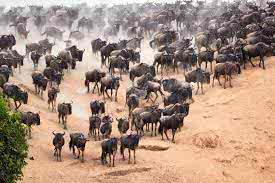
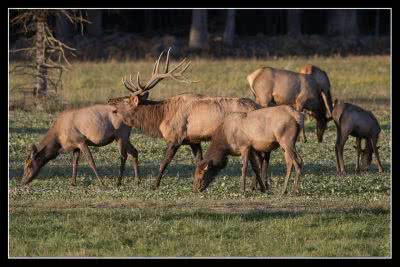
herd

/hɝːd/

(noun) 떼, 무리, 군중;

(verb) 몰다, 모으다

예시:

A herd of elephants crossed the savanna.
코끼리 떼가 사바나를 가로질렀다.

pod

/pɑːd/

(noun) 꼬투리, 포드, 캡슐;

(verb) 꼬투리에서 꺼내다, 껍질을 벗기다

예시:
She shelled the peas from their pods.
그녀는 완두콩을 꼬투리에서 깠다.

swarm

/swɔːrm/

(noun) 떼, 무리;

(verb) 떼 지어 모이다, 몰려들다, 북적이다

예시:
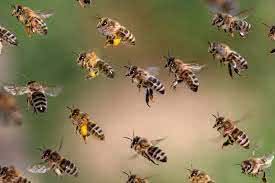
A swarm of bees attacked the picnic.
가 피크닉을 공격했다.

cattle

/ˈkæt̬.əl/

(noun) 소, 가축

예시:

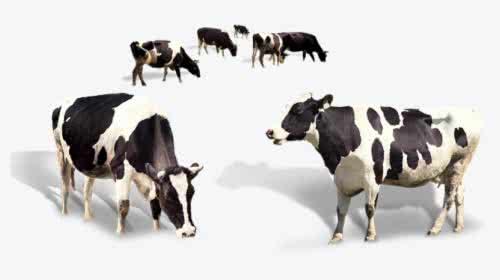
The farmer herded his cattle into the barn.
농부는 들을 헛간으로 몰았다.

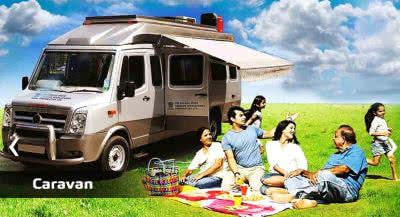
caravan

/ˈker.ə.væn/

(noun) 카라반, 캠핑카, 대상

예시:

They spent their summer holidays traveling in a caravan.
그들은 여름 휴가를 카라반에서 여행하며 보냈다.

flight

/flaɪt/

(noun) 비행, 날아오름, 항공편

예시:

The bird took flight from the branch.
새가 나뭇가지에서 날아올랐다.

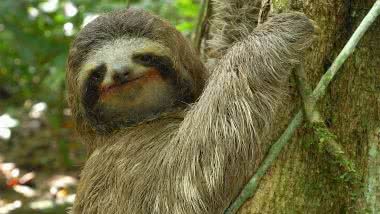
sloth

/slɑːθ/

(noun) 나무늘보, 나태, 게으름

예시:

The sloth moved so slowly, it was hard to tell if it was even alive.
나무늘보는 너무 느리게 움직여서 살아있는지조차 알기 어려웠다.

drove

/droʊv/

(verb) 운전했다, 데려다주었다;

(noun) 떼, 무리

예시:

He drove to work every day.
그는 매일 직장으로 운전했다.

pack

/pæk/

(noun) 짐, 꾸러미, 배낭;

(verb) 싸다, 포장하다, 채우다

예시:
He carried a large pack on his back.
그는 등에 큰 을 메고 있었다.

flock

/flɑːk/

(noun) 떼, 무리;

(verb) 몰려들다, 떼를 짓다

예시:

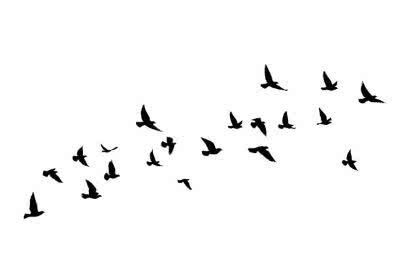
A large flock of birds flew overhead.
커다란 새 가 머리 위로 날아갔다.

harem

/ˈher.əm/

(noun) 하렘, 내실, 암컷 무리

예시:

The women of the royal family resided in the palace's harem.
왕실 여성들은 궁전의 하렘에 거주했다.

colony

/ˈkɑː.lə.ni/

(noun) 식민지, 군집, 무리

예시:

India was once a British colony.
인도는 한때 영국의 식민지였다.

pride

/praɪd/

(noun) 자부심, 긍지, 자만심;

(verb) 자랑하다, 자부심을 가지다

예시:

She felt a great sense of pride as she watched her daughter graduate.
그녀는 딸이 졸업하는 것을 보며 큰 자부심을 느꼈다.

shoal

/ʃoʊl/

(noun) 떼, 무리, 여울;

(verb) 얕아지다, 수심이 얕아지다, 떼를 짓다

예시:
A large shoal of fish swam past the boat.
큰 물고기 가 배 옆을 헤엄쳐 지나갔다.

plague

/pleɪɡ/

(noun) 역병, 흑사병, 골칫거리;

(verb) 괴롭히다, 시달리게 하다

예시:
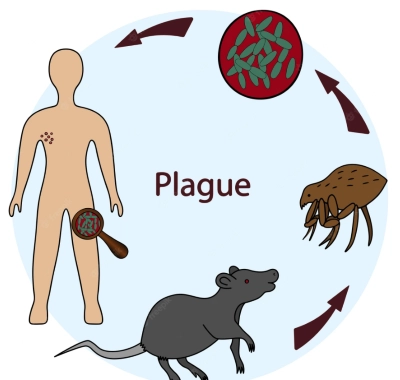
The Black Death was a devastating plague that swept across Europe in the 14th century.
흑사병은 14세기에 유럽을 휩쓴 파괴적인 역병이었다.

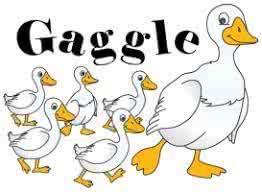
gaggle

/ˈɡæɡ.əl/

(noun) 거위 떼, 시끄러운 무리, 떼;

(verb) 꽥꽥거리다, 시끄럽게 떠들다

예시:

A gaggle of geese waddled across the road.
거위 떼가 길을 뒤뚱거리며 건너갔다.

school

/skuːl/

(noun) 학교, 수업, 학기;

(verb) 가르치다, 훈련시키다

예시:

My daughter starts school next year.
내 딸은 내년에 학교에 간다.

stand

/stænd/

(verb) 서다, 일어서다, 세우다;

(noun) 스탠드, 받침대, 입장

예시:

Please stand when the judge enters.
판사님이 들어오시면 일어서 주세요.

parliament

/ˈpɑːr.lə.mənt/

(noun) 의회, 국회, 입법부

예시:

The new law was passed by Parliament.
새 법은 의회에서 통과되었다.

shrewdness

/ˈʃruːd.nəs/

(noun) 수완, 영리함, 빈틈없음

예시:

Her business shrewdness helped her succeed in a competitive market.
그녀의 사업적 수완은 경쟁 시장에서 성공하는 데 도움이 되었다.

skulk

/skʌlk/

(verb) 어슬렁거리다, 숨다, 슬그머니 움직이다;

(noun) 어슬렁거리는 사람, 숨는 사람

예시:
He was seen skulking around the abandoned building.
그는 버려진 건물 주위를 어슬렁거리는 것이 목격되었다.

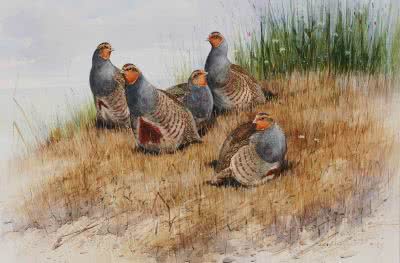
covey

/ˈkʌv.i/

(noun) 떼, 무리, 그룹

예시:

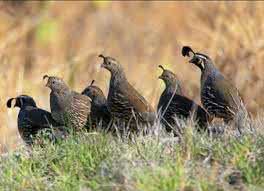
A covey of quail scattered as we approached.
우리가 다가가자 메추라기 가 흩어졌다.

muster

/ˈmʌs.tɚ/

(verb) 소집하다, 집결시키다, 모으다;

(noun) 소집, 점호

예시:
The general ordered his troops to muster at dawn.
장군은 병사들에게 새벽에 집결하라고 명령했다.

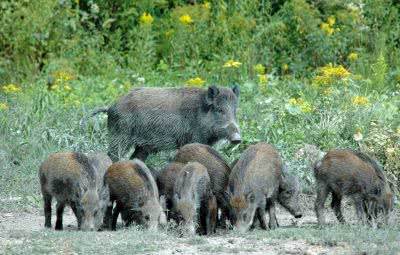
sounder

/ˈsaʊn.dər/

(noun) 음파 탐지기, 수심 측정기, 소리 발생기;

(adjective) 더 건강한, 더 견고한

예시:
The fishing boat used a sounder to locate schools of fish.
어선은 물고기 떼를 찾기 위해 음파 탐지기를 사용했다.

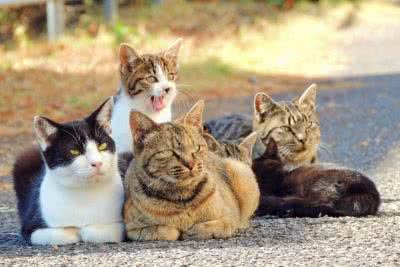
clowder

/ˈklaʊ.dər/

(noun) 고양이 무리, 고양이 떼

예시:

A clowder of cats was basking in the sun on the porch.
고양이 무리가 현관에서 햇볕을 쬐고 있었다.

destruction

/dɪˈstrʌk.ʃən/

(noun) 파괴, 멸망, 황폐

예시:

The earthquake caused widespread destruction.
지진은 광범위한 파괴를 일으켰다.

bed

/bed/

(noun) 침대, 바닥, 기반;

(verb) 재우다, 심다

예시:

I'm so tired, I just want to go to bed.
너무 피곤해, 그냥 침대에 가고 싶어.

embarrassment

/ɪmˈber.əs.mənt/

(noun) 당황, 난처함, 부끄러움

예시:

She felt a blush of embarrassment creep up her neck when she tripped.
그녀는 넘어졌을 때 목까지 당황함에 얼굴이 붉어지는 것을 느꼈다.

zeal

/ziːl/

(noun) 열정, 열의, 열심

예시:

Her zeal for social justice was inspiring.
사회 정의에 대한 그녀의 열정은 감동적이었다.

kine

/kaɪn/

(plural noun) 소, 가축

예시:

The farmer led his kine to pasture.
농부는 소들을 목초지로 이끌었다.

murder

/ˈmɝː.dɚ/

(noun) 살인, 끔찍한 일, 죽을 맛;

(verb) 살해하다, 죽이다, 망치다

예시:
He was charged with murder.
그는 살인 혐의로 기소되었다.

bevy

/ˈbev.i/

(noun) 무리, 떼, 새 떼

예시:

A bevy of reporters surrounded the celebrity.
기자 무리가 유명인을 둘러쌌다.

unkindness

/ʌnˈkaɪnd.nəs/

(noun) 불친절, 무정함, 잔인함

예시:

His constant unkindness made her feel unwelcome.
그의 끊임없는 불친절함은 그녀를 환영받지 못하게 만들었다.

watch

/wɑːtʃ/

(verb) 보다, 지켜보다, 조심하다;

(noun) 시계, 손목시계, 감시

예시:

I like to watch movies on weekends.
나는 주말에 영화를 보는 것을 좋아한다.

labor

/ˈleɪ.bɚ/

(noun) 노동, 일, 진통;

(verb) 고생하다, 노력하다

예시:

The construction project required a lot of manual labor.
건설 프로젝트에는 많은 육체 노동이 필요했다.
Lingoland에서 이 어휘 세트 학습하기