Avatar of Vocabulary Set 농업 및 작물

TOEFL 필수 어휘 내 농업 및 작물 어휘 세트: 완전하고 상세한 목록

'TOEFL 필수 어휘' 내 '농업 및 작물' 어휘 세트는 국제 표준 교재 출처에서 엄선되어 짧은 시간 안에 어휘를 마스터할 수 있도록 도와줍니다. 정의, 예문, 표준 발음을 완벽하게 수록...

Lingoland에서 이 어휘 세트 학습하기

지금 학습하기
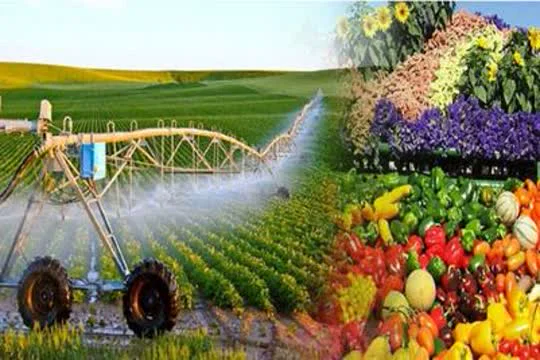
agricultural

/ˌæɡ.rəˈkʌl.tʃɚ.əl/

(adjective) 농업의, 농경의

예시:

The region is known for its rich agricultural land.
그 지역은 비옥한 농업용지로 유명하다.

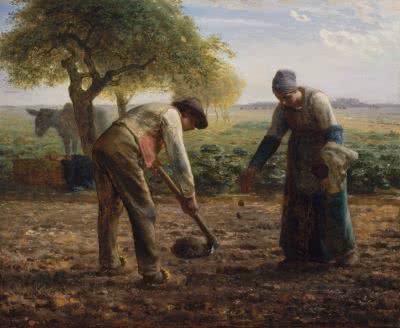
peasant

/ˈpez.ənt/

(noun) 농민, 소작농, 촌뜨기

예시:

The peasants toiled in the fields from dawn till dusk.
농민들은 새벽부터 해질녘까지 밭에서 힘들게 일했다.

cultivate

/ˈkʌl.tə.veɪt/

(verb) 경작하다, 재배하다, 기르다

예시:

Farmers cultivate the land to grow corn and wheat.
농부들은 옥수수와 밀을 재배하기 위해 땅을 경작한다.

yield

/jiːld/

(verb) 생산하다, 내다, 산출하다;

(noun) 수확량, 생산량, 수익률

예시:
The apple trees yielded a bountiful harvest this year.
사과나무는 올해 풍성한 수확을 냈다.

harvest

/ˈhɑːr.vəst/

(noun) 수확, 추수, 수확량;

(verb) 수확하다, 거두다, 얻다

예시:
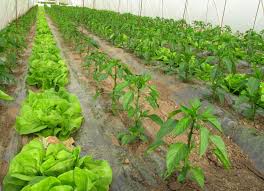
The harvest was abundant this year due to good weather.
좋은 날씨 덕분에 올해 수확이 풍성했다.

growing season

/ˈɡroʊ.ɪŋ ˌsiː.zən/

(noun) 생육 기간, 성장기

예시:

The growing season in this region lasts from April to October.
이 지역의 생육 기간은 4월부터 10월까지입니다.

plantation

/plænˈteɪ.ʃən/

(noun) 농장, 대농장, 식림

예시:

The old sugar plantation is now a historical museum.
오래된 설탕 농장은 이제 역사 박물관이다.

raise

/reɪz/

(verb) 올리다, 높이다, 늘리다;

(noun) 봉급 인상, 임금 인상

예시:
She raised her hand to ask a question.
그녀는 질문하기 위해 손을 들었다.

produce

/prəˈduːs/

(verb) 생산하다, 제조하다, 낳다;

(noun) 농산물, 생산물

예시:
The factory produces cars.
그 공장은 자동차를 생산한다.

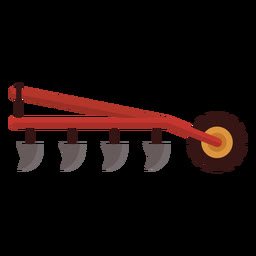
plow

/plaʊ/

(noun) 쟁기;

(verb) 갈다, 쟁기질하다, 헤치고 나아가다

예시:
The farmer used a heavy plow to prepare the field for planting.
농부는 무거운 쟁기를 사용하여 밭을 갈아 심을 준비를 했다.

reap

/riːp/

(verb) 거두다, 받다, 수확하다

예시:

They are now reaping the rewards of all their hard work.
그들은 이제 모든 고생의 대가를 거두고 있다.

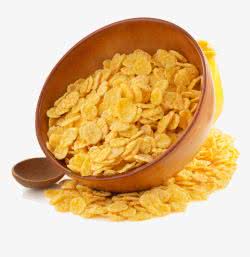
cereal

/ˈsɪr.i.əl/

(noun) 곡물, 시리얼, 아침 식사용 시리얼

예시:

Wheat is a common cereal crop.
밀은 흔한 곡물 작물이다.

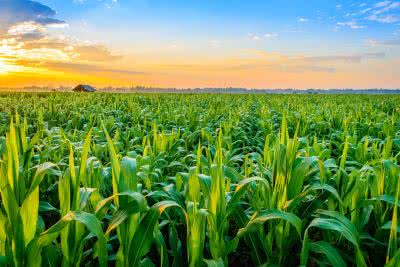
crop

/krɑːp/

(noun) 작물, 수확물, 짧은 머리;

(verb) 자르다, 경작하다, 짧게 자르다

예시:

Wheat is a major crop in this region.
밀은 이 지역의 주요 작물이다.

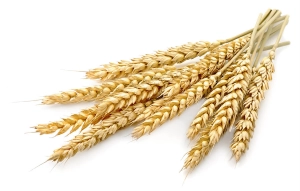
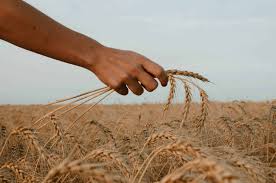
wheat

/wiːt/

(noun)

예시:

Wheat is a staple food for many cultures.
은 많은 문화권에서 주식이다.

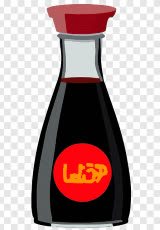
soy

/sɔɪ/

(noun) 콩, 두유

예시:

Many vegetarian dishes use soy as a protein source.
많은 채식 요리는 단백질 공급원으로 을 사용합니다.

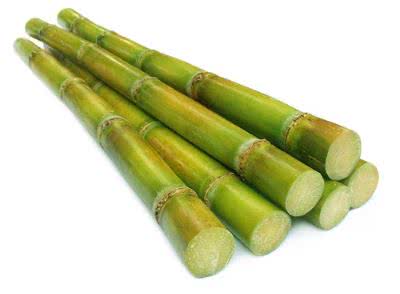
sugar cane

/ˈʃʊɡər keɪn/

(noun) 사탕수수

예시:

The farmer harvested the sugar cane in the field.
농부가 밭에서 사탕수수를 수확했다.

barley

/ˈbɑːr.li/

(noun) 보리

예시:

The farmer harvested a field of golden barley.
농부는 황금빛 보리밭을 수확했다.

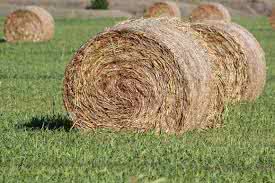
hay

/heɪ/

(noun) 건초

예시:

The farmer stored the hay in the barn for winter.
농부는 겨울을 위해 건초를 헛간에 보관했다.

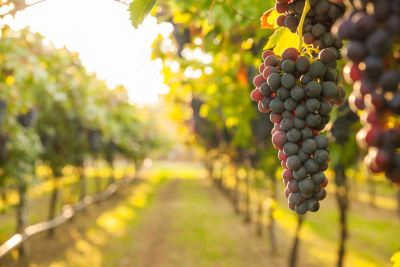
vineyard

/ˈvɪn.jɚd/

(noun) 포도밭

예시:

The rolling hills were covered with lush vineyards.
구불구불한 언덕은 무성한 포도밭으로 덮여 있었다.

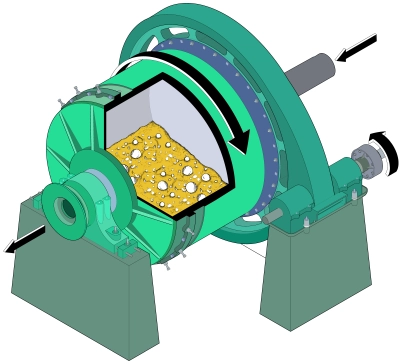
mill

/mɪl/

(noun) 방앗간, 제분소, 공장;

(verb) 갈다, 제분하다, 밀링하다

예시:
The old water mill still stands by the river.
오래된 물레방아는 여전히 강가에 서 있다.

ripe

/raɪp/

(adjective) 익은, 숙성된, 적절한

예시:

The bananas are perfectly ripe for eating.
바나나가 먹기에 완벽하게 익었다.

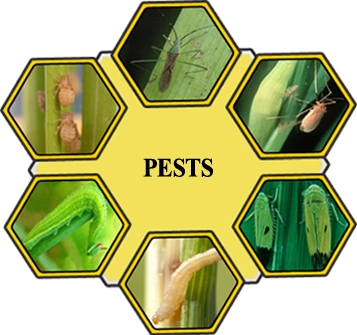
pest

/pest/

(noun) 해충, 유해 동물, 골칫덩이

예시:

The farmer used pesticides to control the pests in his fields.
농부는 밭의 해충을 통제하기 위해 살충제를 사용했다.

pesticide

/ˈpes.tə.saɪd/

(noun) 살충제, 농약

예시:

Farmers often use pesticides to protect their crops from insects.
농부들은 종종 곤충으로부터 작물을 보호하기 위해 살충제를 사용한다.

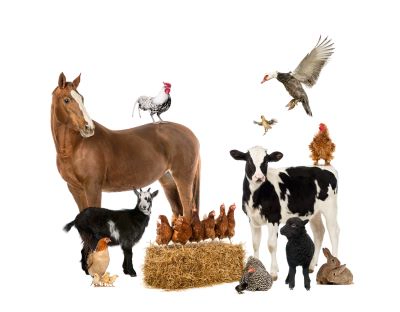
livestock

/ˈlaɪv.stɑːk/

(noun) 가축, 축산 동물

예시:

The farmer keeps various types of livestock, including cows and sheep.
농부는 소와 양을 포함한 다양한 종류의 가축을 기른다.

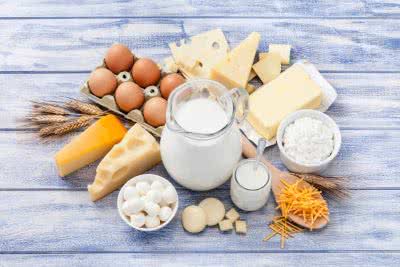
dairy

/ˈder.i/

(noun) 유제품 공장, 낙농장;

(adjective) 유제품의, 낙농의

예시:
The fresh milk is delivered daily to the dairy.
신선한 우유는 매일 유제품 공장으로 배달됩니다.

fertilize

/ˈfɝː.t̬əl.aɪz/

(verb) 비옥하게 하다, 거름을 주다, 수정시키다

예시:

Farmers fertilize their fields to ensure a good harvest.
농부들은 좋은 수확을 위해 밭을 비옥하게 한다.

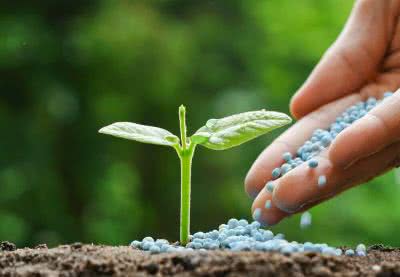
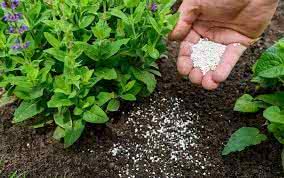
fertilizer

/ˈfɝː.t̬əl.aɪ.zɚ/

(noun) 비료

예시:

Farmers use fertilizer to improve crop yields.
농부들은 작물 수확량을 늘리기 위해 비료를 사용한다.

barn

/bɑːrn/

(noun) 헛간, 외양간

예시:

The farmer stored his hay in the barn.
농부는 건초를 헛간에 보관했다.

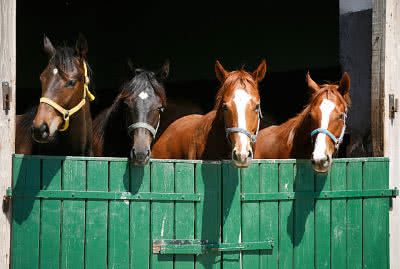
stable

/ˈsteɪ.bəl/

(adjective) 안정적인, 견고한, 흔들리지 않는;

(noun) 마구간, 외양간;

(verb) 마구간에 넣다, 마구간에 두다

예시:
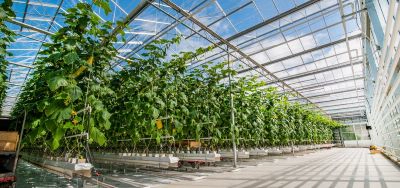
The country's economy is now stable.
그 나라의 경제는 이제 안정적이다.

greenhouse

/ˈɡriːn.haʊs/

(noun) 온실

예시:

The gardener spent hours tending to the plants in the greenhouse.
정원사는 온실에서 식물을 돌보는 데 몇 시간을 보냈다.

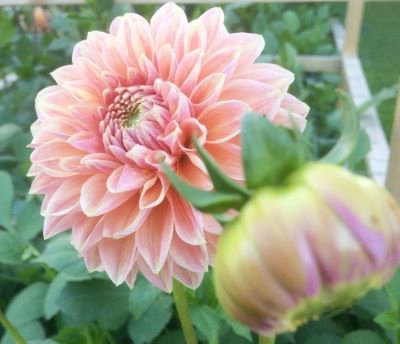
bloom

/bluːm/

(noun) 꽃, 개화, 번성;

(verb) 피다, 개화하다, 번성하다

예시:
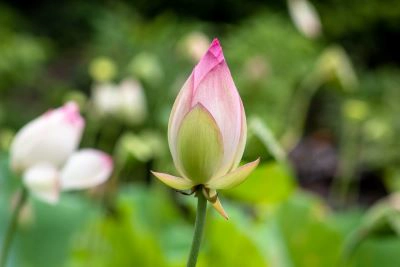
The rose bush was covered in beautiful blooms.
장미 덤불은 아름다운 으로 덮여 있었다.

bud

/bʌd/

(noun) 싹, 꽃봉오리, 친구;

(verb) 싹트다, 피다

예시:
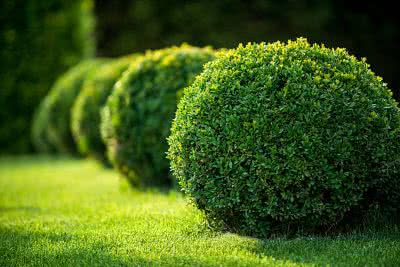
The rose bush is full of new buds.
장미 덤불에 새 이 가득하다.

bush

/bʊʃ/

(noun) 관목, 덤불

예시:

The bird built its nest in the rose bush.
새는 장미 덤불에 둥지를 지었다.

weed

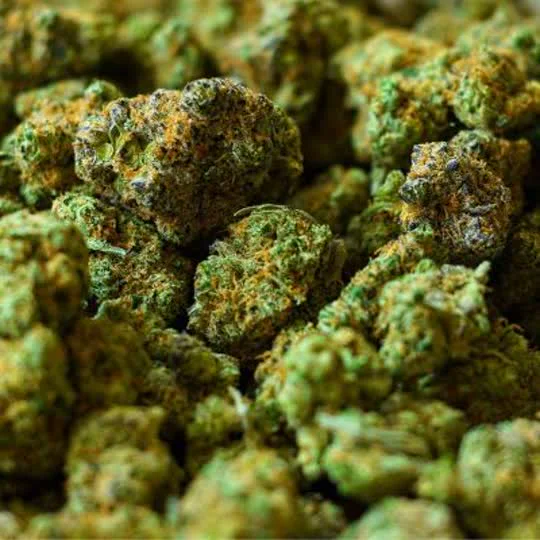
/wiːd/

(noun) 잡초, 대마초, 마리화나;

(verb) 잡초를 뽑다, 제초하다, 솎아내다

예시:
The garden was overgrown with weeds.
정원은 잡초로 뒤덮여 있었다.

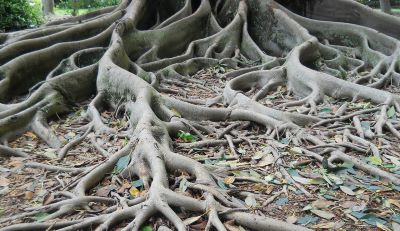
root

/ruːt/

(noun) 뿌리, 근원, 원인;

(verb) 뿌리내리다, 정착하다, 뿌리내리게 하다

예시:

The tree's roots spread deep into the soil.
나무의 뿌리는 흙 속 깊이 뻗어 있다.

palm

/pɑːm/

(noun) 손바닥, 야자수;

(verb) 감추다, 속여 팔다

예시:
She held the small bird gently in her palm.
그녀는 작은 새를 손바닥에 부드럽게 쥐었다.

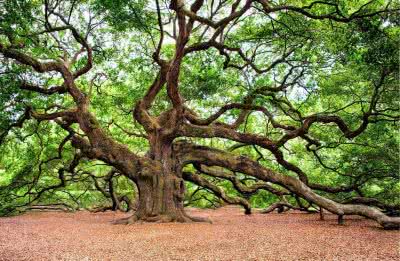
oak

/oʊk/

(noun) 참나무

예시:

The ancient oak stood tall in the forest.
오래된 참나무가 숲에 우뚝 서 있었다.
Lingoland에서 이 어휘 세트 학습하기