Avatar of Vocabulary Set 동물학

SAT 과학 어휘 내 동물학 어휘 세트: 완전하고 상세한 목록

'SAT 과학 어휘' 내 '동물학' 어휘 세트는 국제 표준 교재 출처에서 엄선되어 짧은 시간 안에 어휘를 마스터할 수 있도록 도와줍니다. 정의, 예문, 표준 발음을 완벽하게 수록...

Lingoland에서 이 어휘 세트 학습하기

지금 학습하기

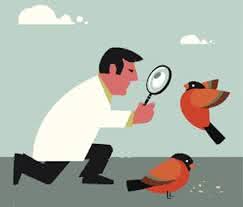
entomologist

/ˌen.t̬əˈmɑː.lə.dʒɪst/

(noun) 곤충학자

예시:

The entomologist spent years researching the behavior of ants.
곤충학자는 개미의 행동을 연구하는 데 수년을 보냈다.

ornithologist

/ˌɔːr.nəˈθɑː.lə.dʒɪst/

(noun) 조류학자

예시:

The renowned ornithologist presented his findings on migratory patterns.
저명한 조류학자는 철새 이동 패턴에 대한 연구 결과를 발표했다.

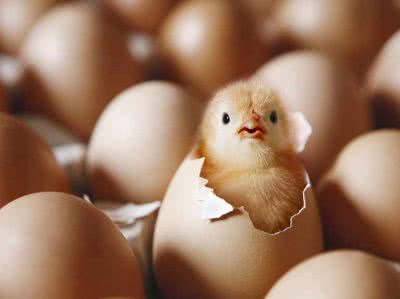
hatch

/hætʃ/

(verb) 부화하다, 꾸미다, 계획하다;

(noun) 해치, 출입구

예시:
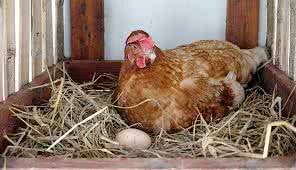
The chicks will hatch in a few days.
병아리들은 며칠 안에 부화할 것이다.

incubate

/ˈɪŋ.kjə.beɪt/

(verb) 품다, 부화시키다, 잠복하다

예시:

The hen will incubate her eggs for 21 days.
암탉은 21일 동안 알을 품을 것이다.

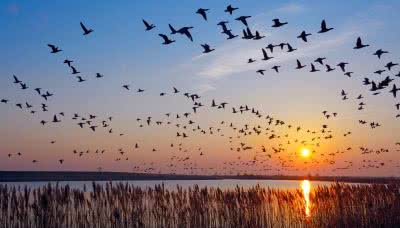
migratory

/ˈmaɪ.ɡrə.tɔːr.i/

(adjective) 철새의, 회유성의, 이동하는

예시:

Migratory birds fly south for the winter.
철새는 겨울에 남쪽으로 날아간다.

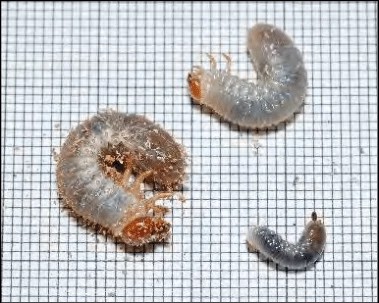
larval

/ˈlɑːr.vəl/

(adjective) 유충의

예시:

The scientists studied the larval stage of the butterfly.
과학자들은 나비의 유충 단계를 연구했다.

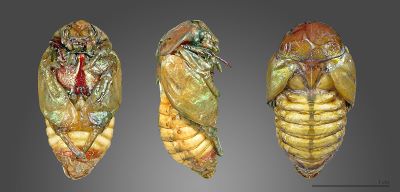
pupate

/ˈpjuː.peɪt/

(verb) 번데기가 되다

예시:

The larvae will pupate in the soil for several weeks.
애벌레는 몇 주 동안 토양에서 번데기가 될 것입니다.

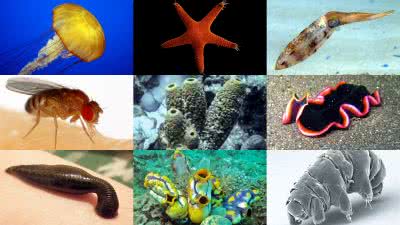
invertebrate

/ɪnˈvɝː.t̬ə.brət/

(noun) 무척추동물;

(adjective) 무척추의

예시:

Worms are common examples of invertebrates.
벌레는 무척추동물의 흔한 예이다.

marine

/məˈriːn/

(adjective) 해양의, 바다의, 해운의;

(noun) 해병, 해병대원

예시:
The scientist studies marine life.
그 과학자는 해양 생물을 연구한다.

feline

/ˈfiː.laɪn/

(adjective) 고양이의, 고양이과, 고양이 같은;

(noun) 고양이과 동물, 고양이

예시:
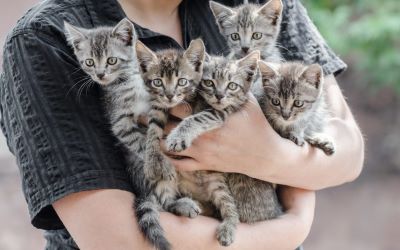
The veterinarian specializes in feline diseases.
수의사는 고양이 질병을 전문으로 한다.

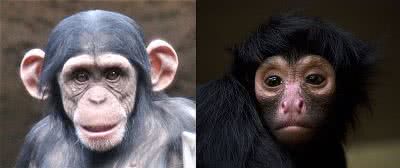
primate

/ˈpraɪ.meɪt/

(noun) 영장류, 수석 주교, 대주교

예시:

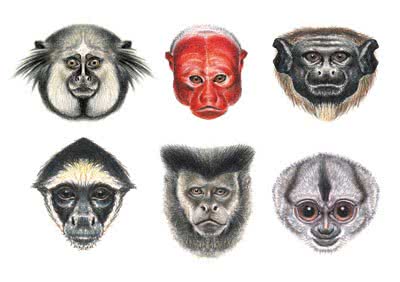
Chimpanzees are fascinating primates.
침팬지는 매혹적인 영장류이다.

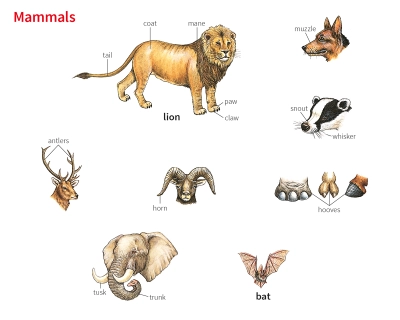
mammal

/ˈmæm.əl/

(noun) 포유류

예시:

Humans are mammals.
인간은 포유류이다.

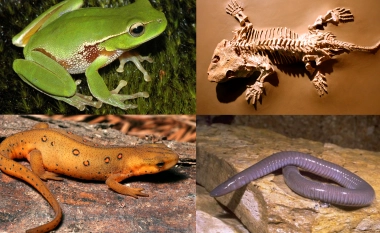
amphibian

/æmˈfɪb.i.ən/

(noun) 양서류;

(adjective) 양서류의, 수륙 양용의

예시:
Frogs are a common type of amphibian.
개구리는 흔한 양서류의 한 종류이다.

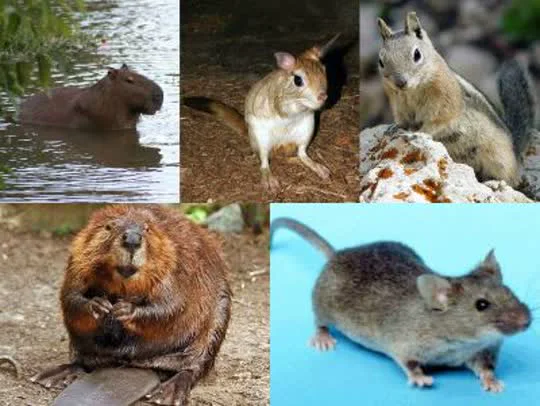
rodent

/ˈroʊ.dənt/

(noun) 설치류

예시:

The house was infested with rodents, so they called an exterminator.
집에 설치류가 들끓어서 그들은 방역업자를 불렀다.

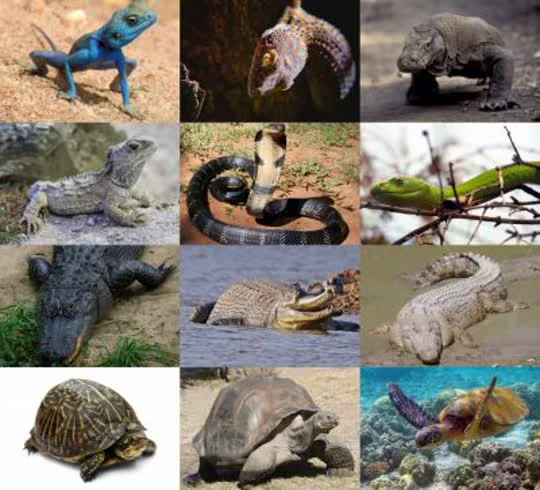
reptile

/ˈrep.taɪl/

(noun) 파충류

예시:

Snakes are fascinating reptiles.
뱀은 매혹적인 파충류이다.

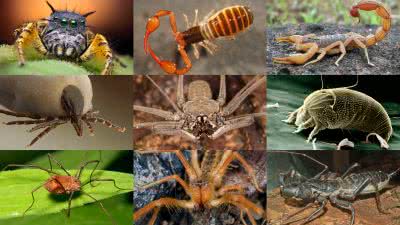
arachnid

/əˈræk.nɪd/

(noun) 거미류

예시:

Spiders, scorpions, ticks, and mites are all types of arachnids.
거미, 전갈, 진드기, 응애는 모두 거미류의 일종이다.

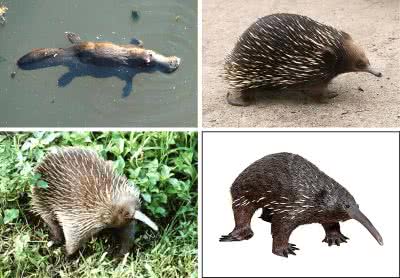
monotreme

/ˈmɑːn.ə.triːm/

(noun) 단공류

예시:

The platypus is a fascinating example of a monotreme.
오리너구리는 단공류의 흥미로운 예시이다.

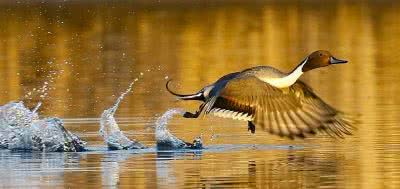
waterfowl

/ˈwɑː.t̬ɚ.faʊl/

(noun) 물새, 수금

예시:

The lake is a sanctuary for various types of waterfowl.
그 호수는 다양한 종류의 물새들의 안식처이다.

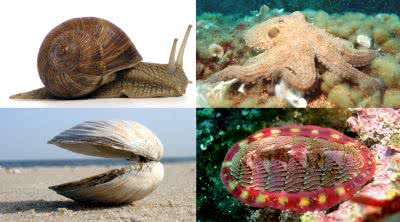
mollusk

/ˈmɑː.ləsk/

(noun) 연체동물

예시:

Snails are a common type of mollusk found in gardens.
달팽이는 정원에서 흔히 발견되는 일반적인 연체동물입니다.

ungulate

/ˈʌŋ.ɡjə.lət/

(noun) 우제류, 유태류, 발굽이 있는 동물;

(adjective) 발굽이 있는, 우제류의

예시:
Deer and elk are common ungulates found in this national park.
사슴과 엘크는 이 국립공원에서 발견되는 흔한 우제류입니다.

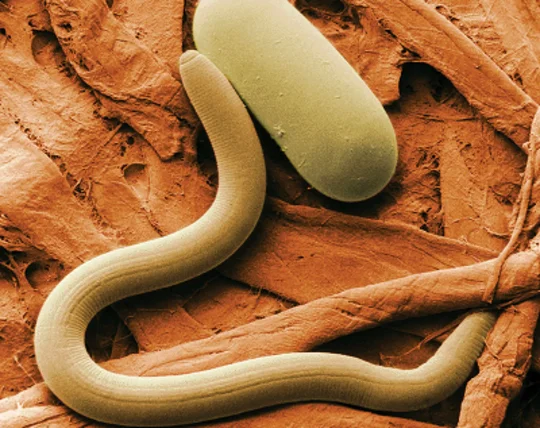
nematode

/ˈnemətoʊd/

(noun) 선충, 회충

예시:

The soil sample contained several types of nematodes.
토양 샘플에는 여러 종류의 선충이 포함되어 있었다.

seabird

/ˈsiː.bɝːd/

(noun) 바닷새

예시:

We watched the seabirds soaring above the cliffs.
우리는 절벽 위를 맴도는 바닷새들을 보았다.

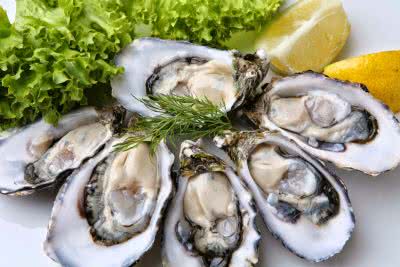
oyster

/ˈɔɪ.stɚ/

(noun)

예시:

She ordered a dozen fresh oysters on the half shell.
그녀는 반 껍질에 신선한 한 다스를 주문했다.

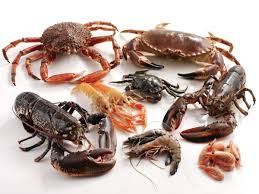
crustacean

/krʌsˈteɪ.ʃən/

(noun) 갑각류

예시:

Lobsters and crabs are common types of crustaceans.
랍스터와 게는 흔한 갑각류이다.

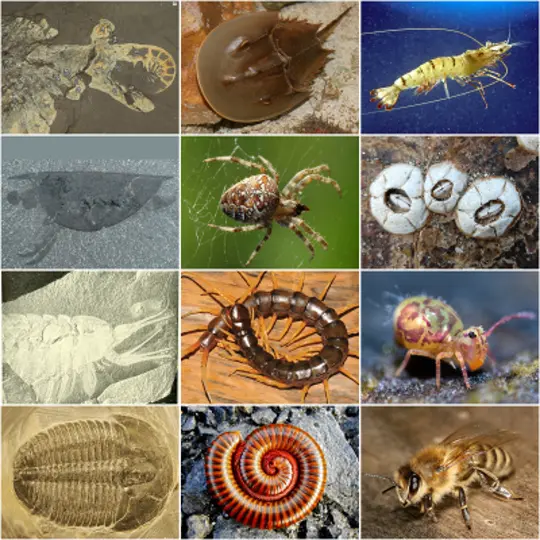
arthropod

/ˈɑːr.θrə.pɑːd/

(noun) 절지동물

예시:

Spiders, insects, and crustaceans are all types of arthropods.
거미, 곤충, 갑각류는 모두 절지동물의 일종이다.

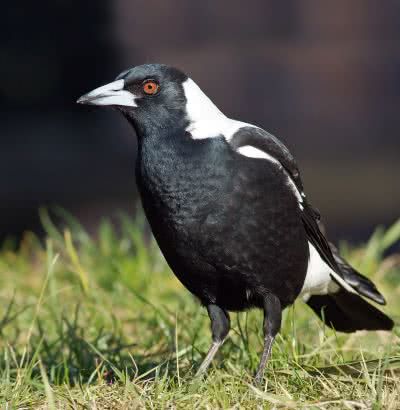
magpie

/ˈmæɡ.paɪ/

(noun) 까치, 수집가, 수다쟁이

예시:

A magpie flew down and snatched the shiny button from the ground.
까치 한 마리가 날아와 땅에 있는 반짝이는 단추를 낚아챘다.

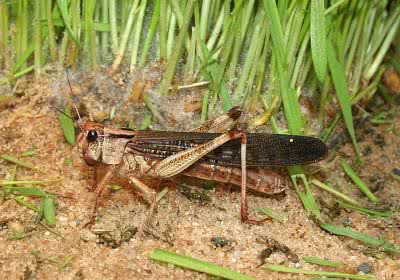
locust

/ˈloʊ.kəst/

(noun) 메뚜기, 아카시아, 아카시아 나무

예시:

A swarm of locusts descended upon the fields, devouring everything in their path.
메뚜기 떼가 밭에 내려와 길에 있는 모든 것을 먹어치웠다.

simian

/ˈsɪm.i.ən/

(adjective) 원숭이 같은, 유인원의;

(noun) 원숭이, 유인원

예시:
The scientist studied the simian behavior in the primate enclosure.
과학자는 영장류 우리 안의 원숭이 같은 행동을 연구했다.

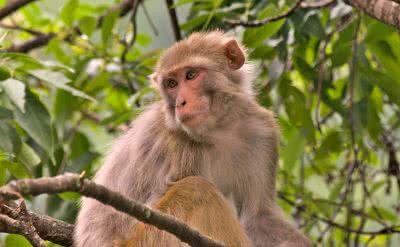
macaque

/məˈkɑːk/

(noun) 마카크

예시:

The macaque swung gracefully through the trees.
마카크는 나무 사이를 우아하게 흔들며 지나갔다.

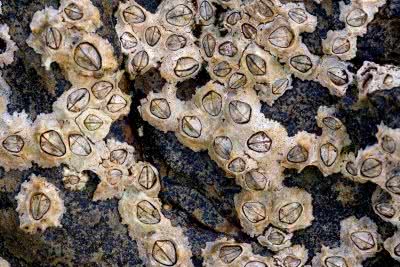
barnacle

/ˈbɑːr.nə.kəl/

(noun) 따개비

예시:

The ship's hull was covered in barnacles.
배의 선체는 따개비로 덮여 있었다.

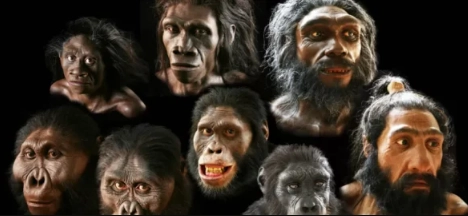
hominid

/ˈhɑː.mɪ.nɪd/

(noun) 호미니드, 인류

예시:

Early hominids walked upright.
초기 호미니드는 직립 보행을 했다.

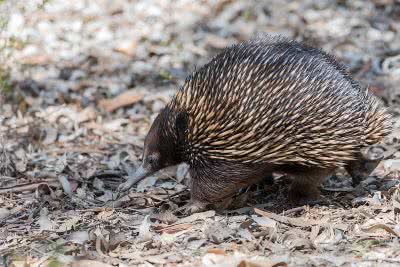
echidna

/iːˈkɪd.nə/

(noun) 가시두더지

예시:

The echidna uses its long, sticky tongue to catch ants and termites.
가시두더지는 길고 끈적한 혀를 사용하여 개미와 흰개미를 잡는다.

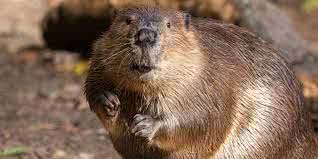
beaver

/ˈbiː.vɚ/

(noun) 비버, 비버 털;

(verb) 열심히 일하다, 부지런히 하다

예시:
The beaver gnawed down the tree to build its dam.
비버는 댐을 짓기 위해 나무를 갉아먹었다.

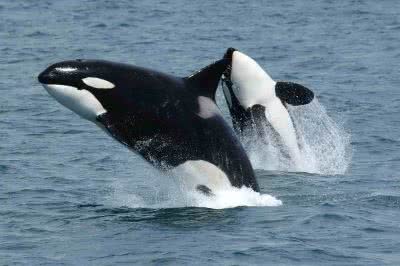
orca

/ˈɔːr.kə/

(noun) 범고래, 킬러 고래

예시:

The orca breached majestically out of the water.
범고래가 물 밖으로 웅장하게 솟아올랐다.

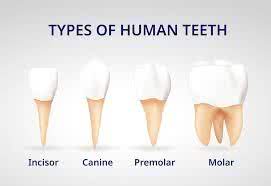
canine

/ˈkeɪ.naɪn/

(adjective) 개의, 개과 동물의;

(noun) 개과 동물, 개, 송곳니

예시:
The veterinarian specializes in canine health.
수의사는 개의 건강을 전문으로 한다.

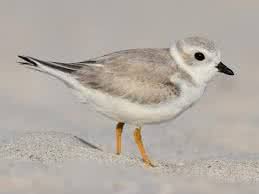
plover

/ˈplʌv.ɚ/

(noun) 물떼새

예시:

We spotted a small plover foraging along the shoreline.
우리는 해안선을 따라 먹이를 찾는 작은 물떼새를 발견했다.

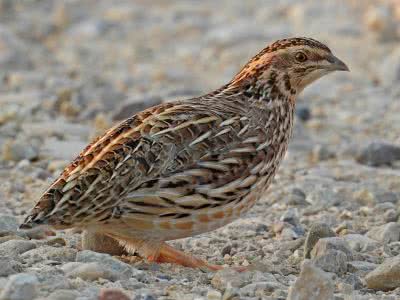
quail

/kweɪl/

(noun) 메추라기;

(verb) 겁먹다, 움츠러들다

예시:

We saw a covey of quail near the stream.
개울 근처에서 메추라기 떼를 봤어.

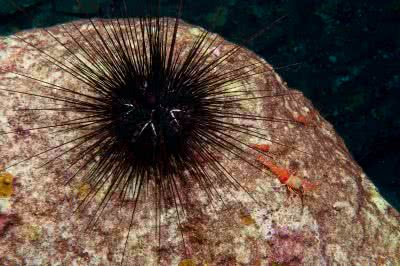
sea urchin

/ˈsiː ˌɝː.tʃɪn/

(noun) 성게

예시:

Be careful not to step on a sea urchin when walking on the beach.
해변을 걸을 때 성게를 밟지 않도록 조심해.

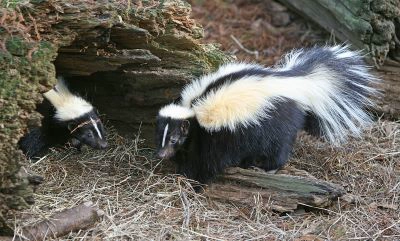
skunk

/skʌŋk/

(noun) 스컹크, 비열한 놈, 악당;

(verb) 완패시키다, 영봉승하다

예시:
We saw a skunk near our campsite last night.
어젯밤 우리 캠핑장 근처에서 스컹크를 봤어.

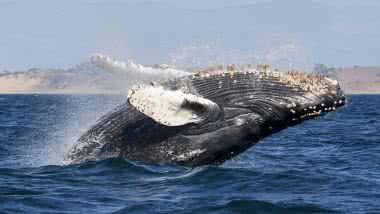
humpback whale

/ˈhʌmp.bæk ˌweɪl/

(noun) 혹등고래

예시:

We saw a magnificent humpback whale breaching near the coast.
해안 근처에서 웅장한 혹등고래가 뛰어오르는 것을 보았다.

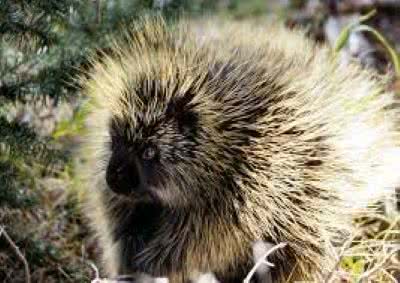
porcupine

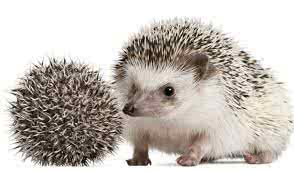
/ˈpɔːr.kjə.paɪn/

(noun) 고슴도치

예시:

The dog yelped after getting too close to the porcupine.
개는 고슴도치에게 너무 가까이 다가간 후 낑낑거렸다.

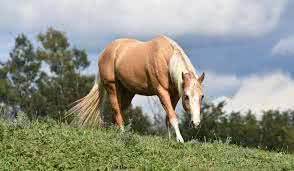
palomino

/ˌpæl.əˈmiː.noʊ/

(noun) 팔로미노;

(adjective) 팔로미노색의

예시:

The cowboy rode a beautiful palomino across the plains.
카우보이는 아름다운 팔로미노를 타고 평원을 가로질렀다.

replete

/rɪˈpliːt/

(adjective) 가득한, 충분한, 배가 부른

예시:

The book is replete with photographs and maps.
그 책은 사진과 지도로 가득 차 있다.

quill

/kwɪl/

(noun) 깃털, 깃펜, 가시

예시:

The artist used a bird's quill to draw fine lines.
화가는 가는 선을 그리기 위해 새의 깃털을 사용했다.

tentacle

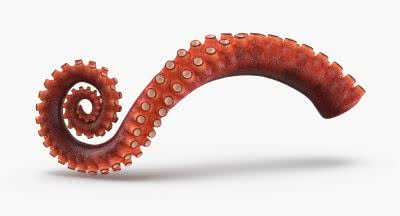
/ˈten.t̬ə.kəl/

(noun) 촉수, 더듬이, 뻗어나간 부분

예시:

The octopus used its tentacles to grab the prey.
문어는 먹이를 잡기 위해 촉수를 사용했다.

talon

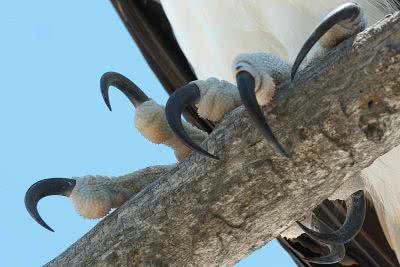
/ˈtæl.ən/

(noun) 발톱, 맹금류의 발톱

예시:

The eagle gripped its prey with sharp talons.
독수리는 날카로운 발톱으로 먹이를 움켜쥐었다.

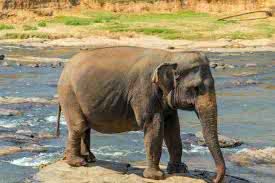
proboscis

/proʊˈbɑː.sɪs/

(noun) 코, 주둥이, 입

예시:

The elephant used its proboscis to spray water over itself.
코끼리는 를 사용하여 자신에게 물을 뿌렸다.

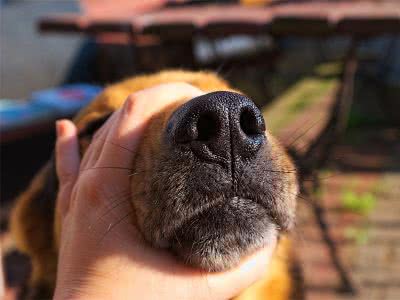
snout

/snaʊt/

(noun) 코, 주둥이, 주둥이 (비하적)

예시:

The pig rooted around with its snout in the mud.
돼지는 를 진흙에 박고 뒤적거렸다.

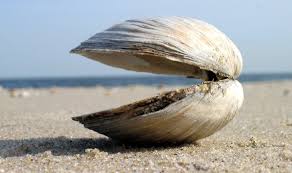
clamshell

/ˈklæm.ʃel/

(noun) 조개껍데기, 클램쉘, 조개 모양의

예시:

The child found a beautiful clamshell on the beach.
아이는 해변에서 아름다운 조개껍데기를 발견했다.

appendage

/əˈpen.dɪdʒ/

(noun) 부속물, 부가물, 부속지

예시:

The small committee was just an appendage to the main organization.
그 소위원회는 본 조직의 단순한 부속물에 불과했다.

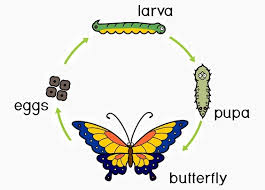
metamorphosis

/ˌmet̬.əˈmɔːr.fə.sɪs/

(noun) 변태, 탈바꿈, 변신

예시:

The caterpillar undergoes a metamorphosis to become a butterfly.
애벌레는 나비가 되기 위해 변태 과정을 거칩니다.
Lingoland에서 이 어휘 세트 학습하기