Avatar of Vocabulary Set 농업 및 임업

SAT 과학 어휘 내 농업 및 임업 어휘 세트: 완전하고 상세한 목록

'SAT 과학 어휘' 내 '농업 및 임업' 어휘 세트는 국제 표준 교재 출처에서 엄선되어 짧은 시간 안에 어휘를 마스터할 수 있도록 도와줍니다. 정의, 예문, 표준 발음을 완벽하게 수록...

Lingoland에서 이 어휘 세트 학습하기

지금 학습하기
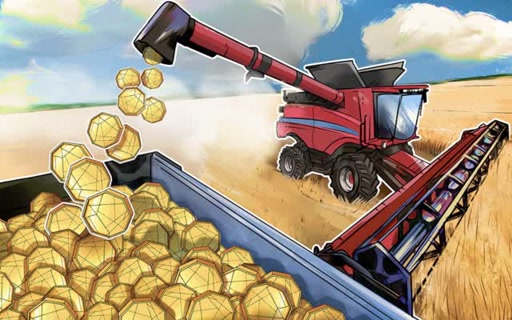
harvest

/ˈhɑːr.vəst/

(noun) 수확, 추수, 수확량;

(verb) 수확하다, 거두다, 얻다

예시:
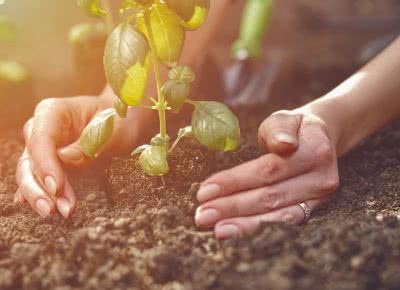
The harvest was abundant this year due to good weather.
좋은 날씨 덕분에 올해 수확이 풍성했다.

cultivate

/ˈkʌl.tə.veɪt/

(verb) 경작하다, 재배하다, 기르다

예시:

Farmers cultivate the land to grow corn and wheat.
농부들은 옥수수와 밀을 재배하기 위해 땅을 경작한다.

yield

/jiːld/

(verb) 생산하다, 내다, 산출하다;

(noun) 수확량, 생산량, 수익률

예시:
The apple trees yielded a bountiful harvest this year.
사과나무는 올해 풍성한 수확을 냈다.

plow

/plaʊ/

(noun) 쟁기;

(verb) 갈다, 쟁기질하다, 헤치고 나아가다

예시:
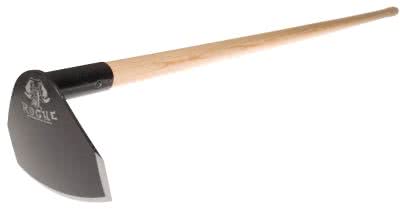
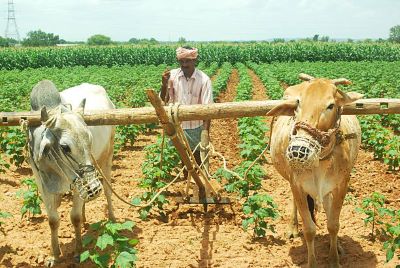
The farmer used a heavy plow to prepare the field for planting.
농부는 무거운 쟁기를 사용하여 밭을 갈아 심을 준비를 했다.

hoe

/hoʊ/

(noun) 괭이, 창녀, 걸레;

(verb) 괭이질하다, 김매다

예시:

He used a hoe to clear the weeds from the garden.
그는 정원의 잡초를 제거하기 위해 괭이를 사용했다.

till

/tɪl/

(preposition) 까지;

(conjunction) 까지;

(noun) 금전 등록기, 돈 서랍;

(verb) 경작하다, 갈다

예시:
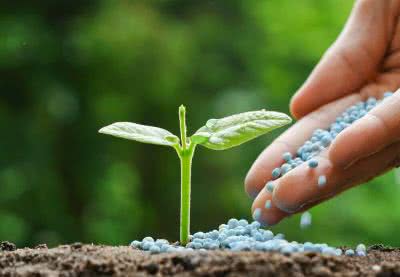
Let's wait till tomorrow.
내일까지 기다리자.

fertilizer

/ˈfɝː.t̬əl.aɪ.zɚ/

(noun) 비료

예시:

Farmers use fertilizer to improve crop yields.
농부들은 작물 수확량을 늘리기 위해 비료를 사용한다.

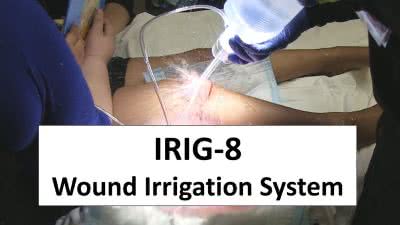
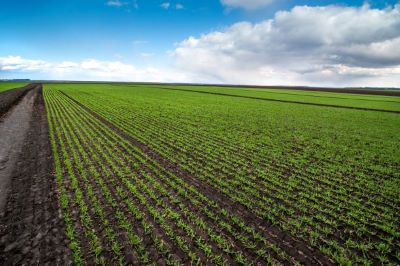
irrigation

/ˌɪr.əˈɡeɪ.ʃən/

(noun) 관개, 물대기

예시:

Modern irrigation techniques have significantly increased crop yields.
현대적인 관개 기술은 작물 수확량을 크게 늘렸다.

infiltration

/ˌɪn.fɪlˈtreɪ.ʃən/

(noun) 침투, 잠입, 흡수

예시:

The intelligence agency prevented the infiltration of foreign spies.
정보 기관은 외국 스파이의 침투를 막았다.

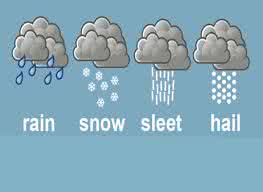
precipitation

/priːˌsɪp.əˈteɪ.ʃən/

(noun) 강수, 강수량, 침전

예시:

The forecast calls for a high chance of precipitation tomorrow.
내일은 강수량이 많을 것으로 예보되어 있습니다.

semi-arid

/ˌsem.iˈer.ɪd/

(adjective) 반건조의

예시:

The region has a semi-arid climate with hot summers and little rain.
그 지역은 더운 여름과 적은 강수량의 반건조 기후를 가지고 있다.

coniferous

/kəˈnɪf.ɚ.əs/

(adjective) 침엽수의

예시:

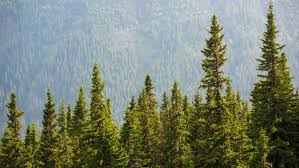
The forest was filled with tall coniferous trees.
숲은 키 큰 침엽수로 가득했다.

deciduous

/dɪˈsɪdʒ.u.əs/

(adjective) 낙엽성의, 유치의

예시:

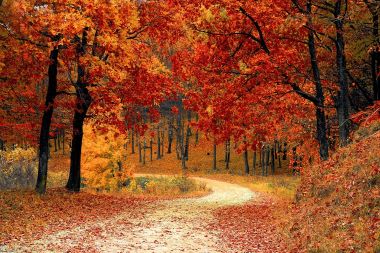
Oak and maple are common deciduous trees.
오크와 단풍나무는 흔한 낙엽성 나무입니다.

sharecropping

/ˈʃerˌkrɑː.pɪŋ/

(noun) 분익 소작

예시:

After the Civil War, many former slaves turned to sharecropping to survive.
남북 전쟁 이후 많은 전직 노예들이 생존을 위해 분익 소작으로 돌아섰다.

seedling

/ˈsiːd.lɪŋ/

(noun) 묘목, 어린 식물

예시:

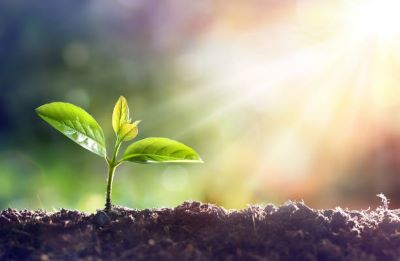
The gardener carefully transplanted each delicate seedling into the prepared bed.
정원사는 각 연약한 묘목을 준비된 화단에 조심스럽게 옮겨 심었다.

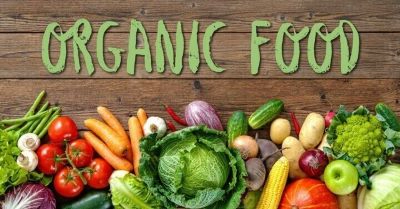
organic

/ɔːrˈɡæn.ɪk/

(adjective) 유기농의, 유기적인, 자연적인

예시:

We only buy organic vegetables.
우리는 유기농 채소만 사.

insecticide

/ɪnˈsek.tə.saɪd/

(noun) 살충제

예시:

Farmers often use insecticides to protect their crops from pests.
농부들은 작물을 해충으로부터 보호하기 위해 종종 살충제를 사용한다.

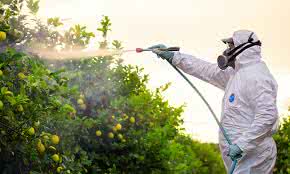
pesticide

/ˈpes.tə.saɪd/

(noun) 살충제, 농약

예시:

Farmers often use pesticides to protect their crops from insects.
농부들은 종종 곤충으로부터 작물을 보호하기 위해 살충제를 사용한다.

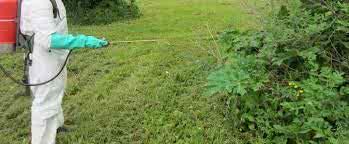
herbicide

/ˈhɝː.bɪ.saɪd/

(noun) 제초제

예시:

Farmers often use herbicides to control weeds in their fields.
농부들은 밭의 잡초를 통제하기 위해 종종 제초제를 사용한다.

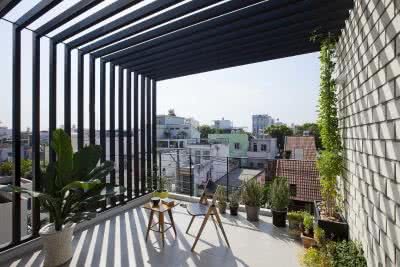
terrace

/ˈter.əs/

(noun) 테라스, 연립 주택, 줄지어 있는 집;

(verb) 계단식으로 만들다, 단으로 만들다

예시:
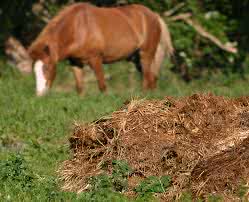
We had breakfast on the sunny terrace.
우리는 햇볕이 잘 드는 테라스에서 아침을 먹었다.

manure

/məˈnʊr/

(noun) 거름, 퇴비;

(verb) 거름을 주다, 비료를 주다

예시:
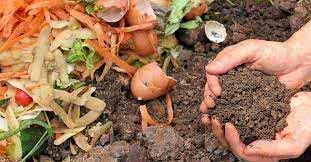
The farmer spread manure on the fields to enrich the soil.
농부는 흙을 비옥하게 하기 위해 밭에 거름을 뿌렸다.

compost

/ˈkɑːm.poʊst/

(noun) 퇴비;

(verb) 퇴비로 만들다

예시:

She added a layer of compost to her vegetable garden.
그녀는 채소밭에 퇴비 한 겹을 추가했다.

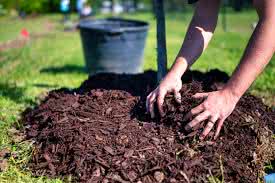
mulch

/mʌltʃ/

(noun) 멀치, 덮개;

(verb) 멀칭하다, 덮다

예시:

Spread a thick layer of wood chip mulch around the base of the trees.
나무 밑동 주위에 두꺼운 나무 조각 멀치를 깔아주세요.

duff

/dʌf/

(adjective) 가짜의, 쓸모없는, 엉터리의;

(noun) 더프, 찐 푸딩, 부엽토;

(verb) 망치다, 엉망으로 만들다

예시:
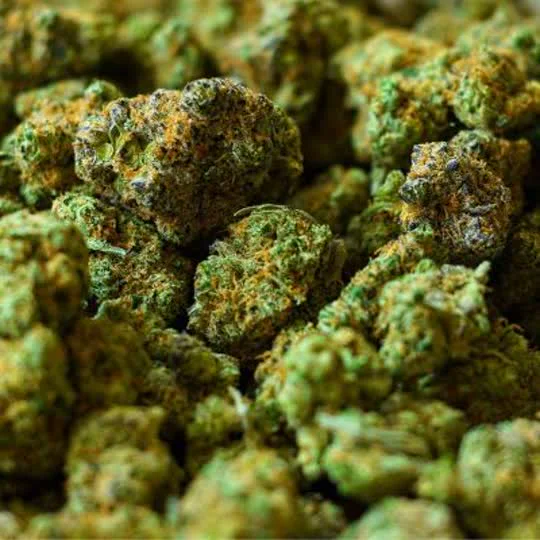
He tried to sell me a duff watch.
그는 나에게 가짜 시계를 팔려고 했다.

weed

/wiːd/

(noun) 잡초, 대마초, 마리화나;

(verb) 잡초를 뽑다, 제초하다, 솎아내다

예시:

The garden was overgrown with weeds.
정원은 잡초로 뒤덮여 있었다.

cross

/krɑːs/

(noun) 십자가, X표, 교배종;

(verb) 건너다, 횡단하다, 교차시키다;

(adjective) 화난, 짜증난

예시:
Draw a cross on the map to mark the spot.
지도의 십자가를 그려서 위치를 표시해.

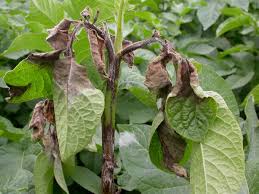
blight

/blaɪt/

(noun) 마름병, 오점, 파괴 원인;

(verb) 망치다, 시들게 하다

예시:
Urban decay is a blight on the city's reputation.
도시 쇠퇴는 도시의 명성에 오점이다.

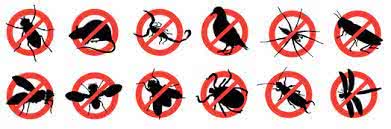
vermin

/ˈvɝː.mɪn/

(noun) 해충, 유해 동물, 쓰레기

예시:

The farmer used traps to control the vermin in his barn.
농부는 헛간의 해충을 통제하기 위해 덫을 사용했다.

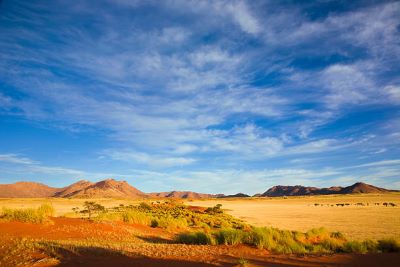
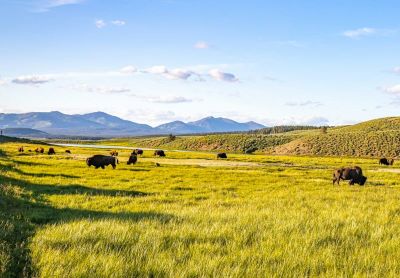
prairie

/ˈprer.i/

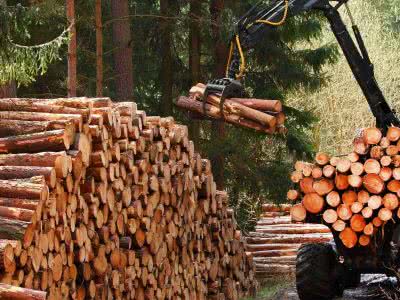
logging

/ˈlɑː.ɡɪŋ/

(noun) 벌목, 산림 벌채, 기록

예시:

Illegal logging is a major problem in the Amazon rainforest.
불법 벌목은 아마존 열대우림의 주요 문제이다.

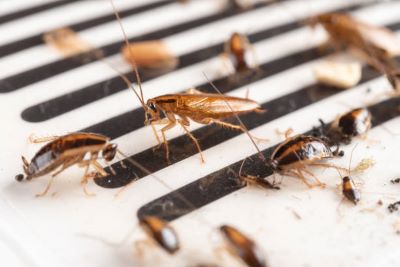
infestation

/ˌɪn.fesˈteɪ.ʃən/

(noun) 떼, 창궐, 침입

예시:

The house had a severe infestation of cockroaches.
그 집은 바퀴벌레 가 심하게 들끓었다.

agrarian

/əˈɡrer.i.ən/

(adjective) 농업의, 토지의, 농지 소유의

예시:

The country's economy is primarily agrarian.
그 나라의 경제는 주로 농업이다.

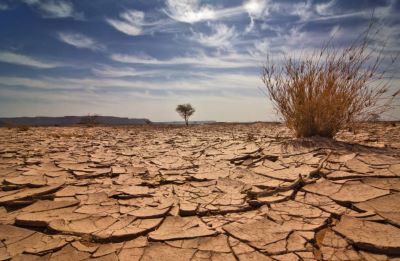
wasteland

/ˈweɪst.lænd/

(noun) 황무지, 황야, 불모지

예시:

The industrial site was left as a desolate wasteland.
그 산업 부지는 황량한 황무지로 남겨졌다.

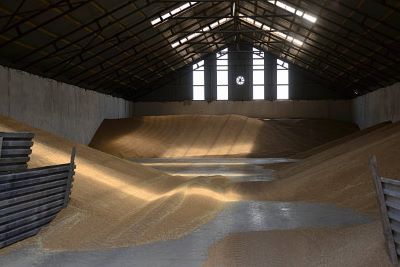
granary

/ˈɡræn.ɚ.i/

(noun) 곡물창고, 곡창, 곡창지대

예시:

The farmers stored their surplus wheat in the granary.
농부들은 남은 밀을 곡물창고에 저장했다.

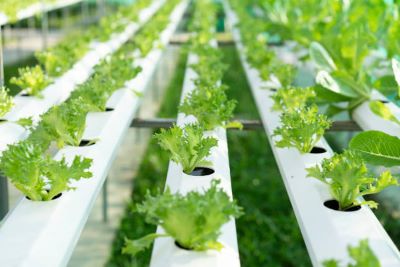
hydroponics

/ˌhaɪ.droʊˈpɑː.nɪks/

(noun) 수경 재배

예시:

The farm uses hydroponics to grow lettuce in a controlled environment.
그 농장은 통제된 환경에서 상추를 재배하기 위해 수경 재배를 사용합니다.

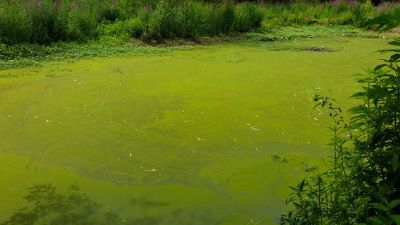
eutrophication

/ˌjuː.trə.fɪˈkeɪ.ʃən/

(noun) 부영양화

예시:

Agricultural runoff is a major cause of eutrophication in lakes and rivers.
농업 유출수는 호수와 강에서 부영양화의 주요 원인이다.

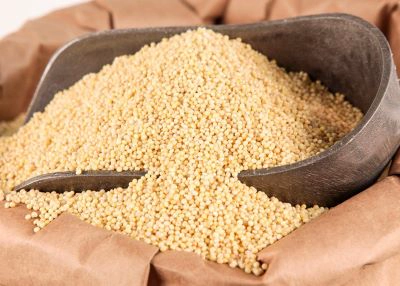
millet

/ˈmɪl.ɪt/

(noun) 기장

예시:

Millet is a staple food in many parts of Africa and Asia.
기장은 아프리카와 아시아의 많은 지역에서 주식이다.

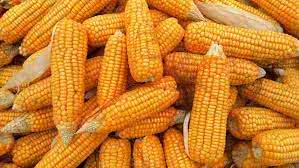
maize

/meɪz/

(noun) 옥수수

예시:

Fields of tall maize stretched as far as the eye could see.
키 큰 옥수수 밭이 눈에 보이는 데까지 펼쳐져 있었다.

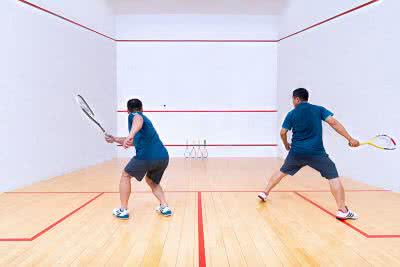
squash

/skwɑːʃ/

(noun) 스쿼시, 호박;

(verb) 짓누르다, 으깨다

예시:

She plays squash every Tuesday.
그녀는 매주 화요일에 스쿼시를 한다.

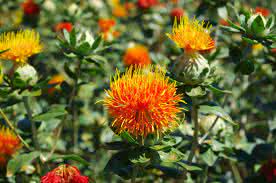
safflower

/ˈsæf.laʊ.ɚ/

(noun) 홍화

예시:

Safflower oil is often used in cooking and for making margarine.
홍화유는 요리와 마가린 제조에 자주 사용됩니다.

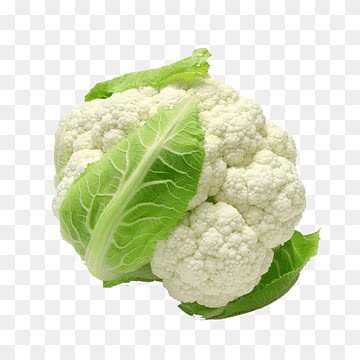
cauliflower

/ˈkɑː.ləˌflaʊ.ɚ/

(noun) 콜리플라워

예시:

She bought a fresh head of cauliflower for dinner.
그녀는 저녁 식사를 위해 신선한 콜리플라워 한 통을 샀다.

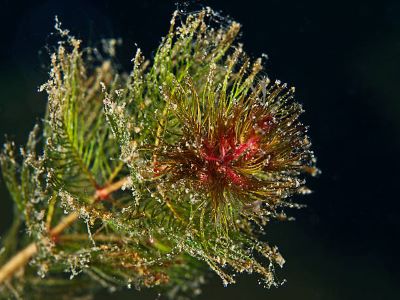
milfoil

/ˈmɪl.fɔɪl/

(noun) 톱풀, 물수선

예시:

The pond was overgrown with water milfoil.
연못은 물수선으로 뒤덮여 있었다.

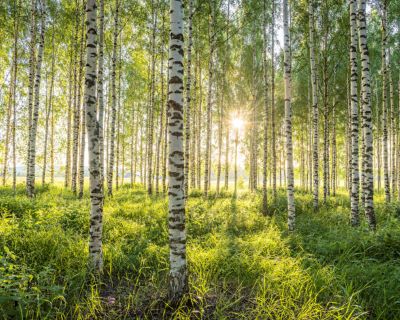
birch

/bɝːtʃ/

(noun) 자작나무

예시:

The forest was filled with tall birch trees.
숲은 키 큰 자작나무로 가득했다.

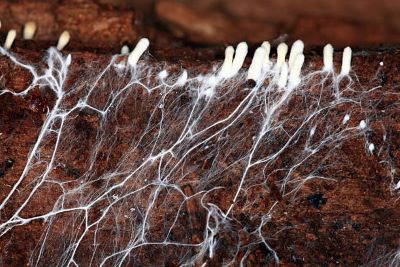
hypha

/ˈhaɪfə/

(noun) 균사

예시:

The fungal hypha penetrates the plant cell wall to absorb nutrients.
균류의 균사는 영양분을 흡수하기 위해 식물 세포벽을 뚫고 들어갑니다.

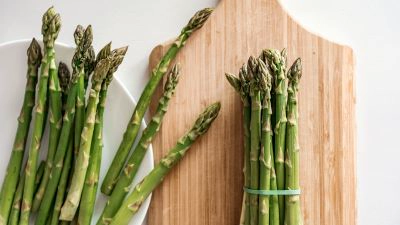
asparagus

/əˈsper.ə.ɡəs/

(noun) 아스파라거스

예시:

She roasted the asparagus with olive oil and garlic.
그녀는 올리브 오일과 마늘로 아스파라거스를 구웠다.

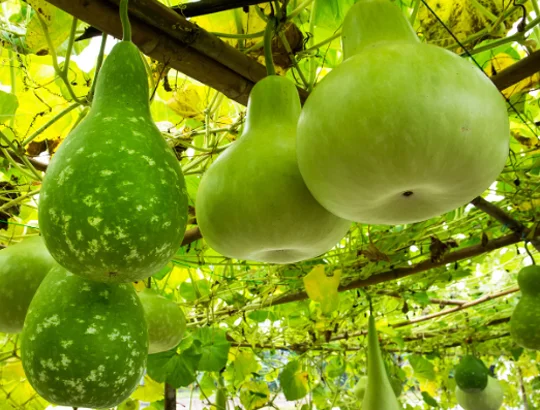
gourd

/ɡɔːrd/

(noun) 박, 호리병박, 박으로 만든 용기

예시:

The farmer harvested several large gourds from his field.
농부는 밭에서 큰 몇 개를 수확했다.

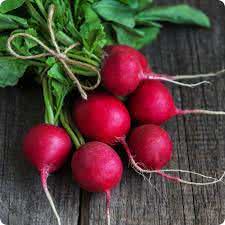
radish

/ˈræd.ɪʃ/

(noun) 무, 래디시

예시:

She added sliced radishes to her green salad.
그녀는 녹색 샐러드에 얇게 썬 를 넣었다.

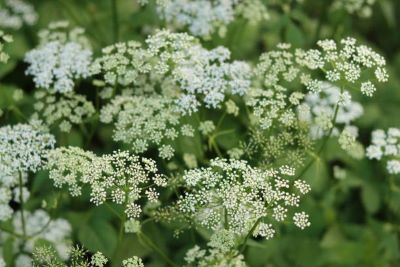
hemlock

/ˈhem.lɑːk/

(noun) 독미나리, 미국솔송나무

예시:

Socrates was sentenced to death by drinking hemlock.
소크라테스는 독미나리 즙을 마시고 사형에 처해졌다.

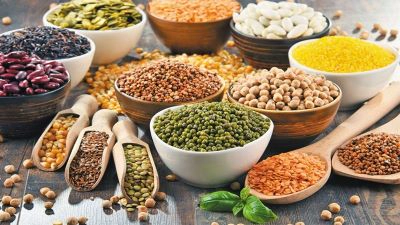
legume

/ˈleɡ.juːm/

(noun) 콩과 식물, 콩류, 콩

예시:

Soybeans are a common legume used in many dishes.
콩은 많은 요리에 사용되는 흔한 콩과 식물이다.

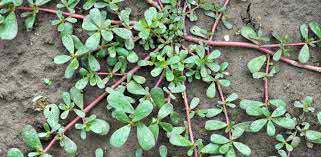
purslane

/ˈpɝː.slən/

(noun) 쇠비름

예시:

She added fresh purslane to her summer salad for a tangy crunch.
그녀는 여름 샐러드에 신선한 쇠비름을 넣어 상큼한 아삭함을 더했다.
Lingoland에서 이 어휘 세트 학습하기