Avatar of Vocabulary Set 神話上の生き物

文学 内 神話上の生き物 語彙セット:完全かつ詳細なリスト

「文学」内の「神話上の生き物」語彙セットは国際標準教材から厳選され、短期間で語彙をマスターできます。定義、例文、標準発音を網羅…

Lingolandでこの語彙セットを学習

今すぐ学習
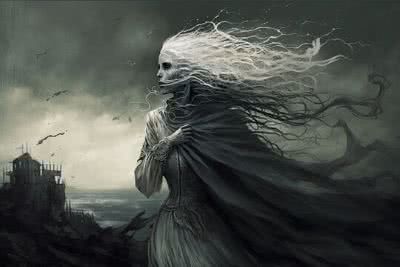
banshee

/ˈbæn.ʃiː/

(noun) バンシー

例:

The old woman claimed she heard a banshee wailing before her neighbor passed away.
老婦人は、隣人が亡くなる前にバンシーの泣き声を聞いたと主張した。

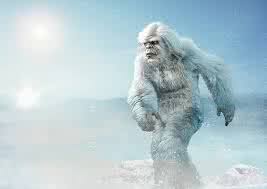
yeti

/ˈjet̬.i/

(noun) イエティ, 雪男

例:

Many mountaineers claim to have seen the Yeti, but there's no concrete proof.
多くの登山家がイエティを見たことがあると主張しているが、具体的な証拠はない。

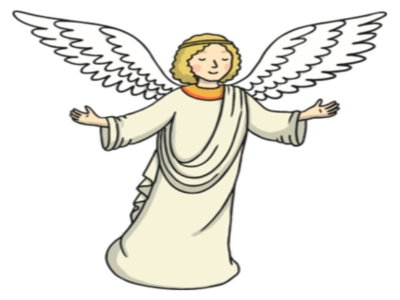
angel

/ˈeɪn.dʒəl/

(noun) 天使, 善良な人, エンジェル投資家

例:

The choir sang about the angels in heaven.
聖歌隊は天国の天使たちについて歌った。

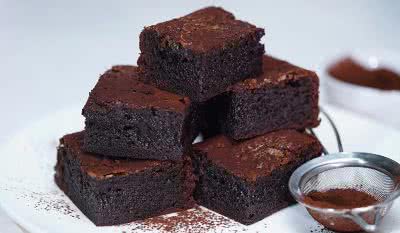
brownie

/ˈbraʊ.ni/

(noun) ブラウニー, ブラウニー (ガールスカウトのジュニア部門)

例:
She baked a batch of delicious chocolate brownies for the party.
彼女はパーティーのために美味しいチョコレートブラウニーを焼いた。

centaur

/ˈsen.tɔːr/

(noun) ケンタウロス

例:

In Greek mythology, centaurs were often depicted as wild and unruly.
ギリシャ神話では、ケンタウロスはしばしば野蛮で手に負えないものとして描かれていました。

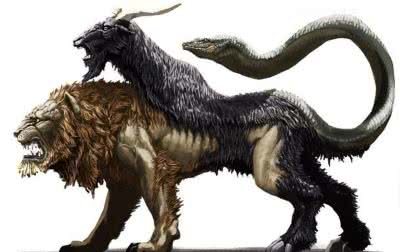
chimera

/kaɪˈmer.ə, kaɪˈmɪr.ə/

(noun) キメラ, 伝説の怪物, 幻想

例:

The ancient Greek myth tells of a hero who defeated the fearsome chimera.
古代ギリシャ神話は、恐ろしいキメラを倒した英雄の物語を語っています。

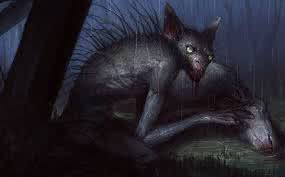
chupacabra

/ˌtʃuː.pəˈkɑː.brə/

(noun) チュパカブラ

例:

Farmers reported seeing a strange creature, possibly a chupacabra, near their livestock.
農家は家畜の近くで奇妙な生き物、おそらくチュパカブラを目撃したと報告した。

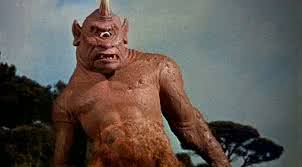
Cyclops

/ˈsaɪ.klɑːps/

(noun) キュクロプス, 一つ目の巨人, 片目の人

例:

Odysseus encountered a fearsome Cyclops named Polyphemus.
オデュッセウスはポリュペーモスという恐ろしいキュクロプスに出会った。

demon

/ˈdiː.mən/

(noun) 悪魔, 鬼, 残忍な人

例:

Ancient legends speak of powerful demons lurking in the shadows.
古代の伝説は、影に潜む強力な悪魔について語っています。

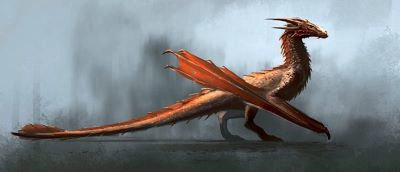
dragon

/ˈdræɡ.ən/

(noun) ドラゴン, 龍

例:

The knight fought bravely against the fearsome dragon.
騎士は恐ろしいドラゴンと勇敢に戦った。

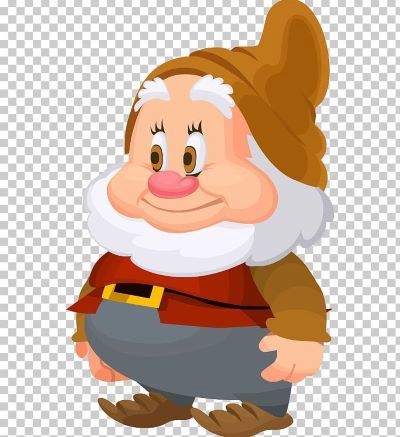
dwarf

/dwɔːrf/

(noun) 小人, ドワーフ, 矮星;

(verb) 矮小化する, 小さく見せる

例:
The fairy tale featured a friendly dwarf.
そのおとぎ話には親切な小人が登場した。

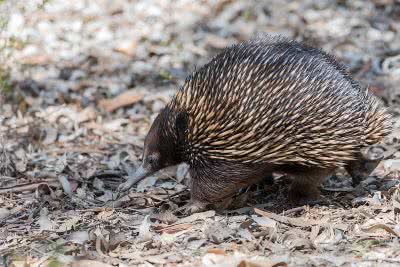
echidna

/iːˈkɪd.nə/

(noun) ハリモグラ

例:

The echidna uses its long, sticky tongue to catch ants and termites.
ハリモグラは、その長く粘着性のある舌を使ってアリやシロアリを捕まえる。

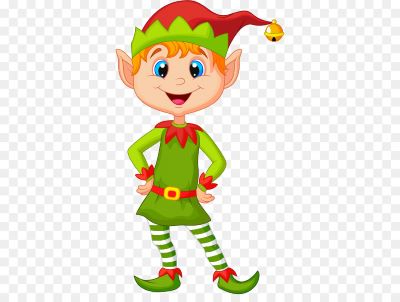
elf

/elf/

(noun) 妖精, エルフ

例:

The children believed they saw an elf hiding in the garden.
子供たちは庭に妖精が隠れているのを見たと思った。

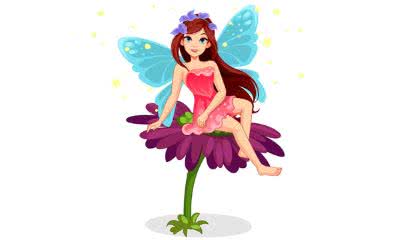
fairy

/ˈfer.i/

(noun) 妖精, ホモ, おかま

例:

The little girl believed in tooth fairies.
その少女は歯の妖精を信じていた。

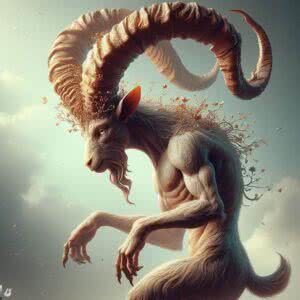
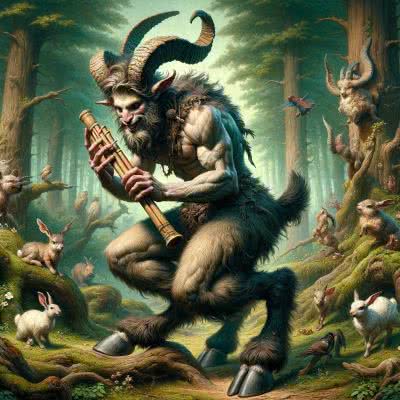
faun

/fɑːn/

(noun) ファウヌス, 半人半獣の神

例:

The children imagined a mischievous faun hiding among the trees.
子供たちは木々の間に隠れているいたずら好きなファウヌスを想像した。

fury

/ˈfjʊr.i/

(noun) 激怒, 猛威

例:

He exploded in a fit of fury.
彼は激怒して爆発した。

genie

/ˈdʒiː.ni/

(noun) 魔神, 精霊

例:

Aladdin rubbed the lamp, and a powerful genie appeared.
アラジンがランプをこすると、強力な魔神が現れた。

giant

/ˈdʒaɪ.ənt/

(noun) 巨人, 巨匠, 偉人;

(adjective) 巨大な, 莫大な, 途方もない

例:
The fairy tale featured a benevolent giant who helped the villagers.
そのおとぎ話には、村人たちを助ける心優しい巨人が登場した。

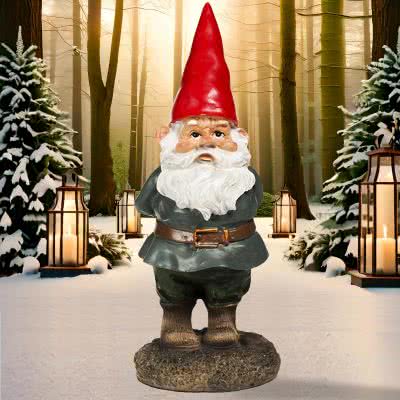
gnome

/noʊm/

(noun) ノーム, 地の精, ガーデンノーム

例:

The garden was decorated with a small ceramic gnome.
庭は小さな陶器のノームで飾られていた。

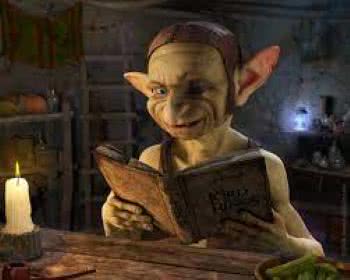
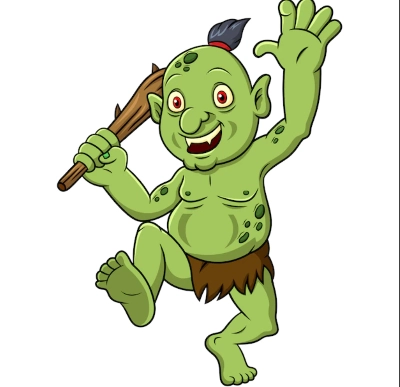
goblin

/ˈɡɑː.blɪn/

(noun) ゴブリン, 小鬼

例:

The children were scared of the goblin in the storybook.
子供たちは絵本に出てくるゴブリンを怖がっていた。

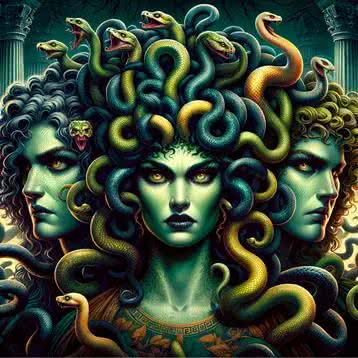
gorgon

/ˈɡɔːr.ɡən/

(noun) ゴルゴン, 恐ろしい女, メデューサ

例:

She was described as a gorgon, with a fierce temper and an intimidating presence.
彼女は激しい気性と威圧的な存在感を持つゴルゴンと評された。

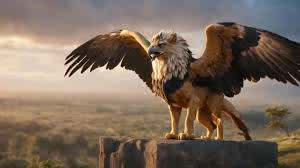
griffin

/ˈɡrɪf.ɪn/

(noun) グリフィン, 伝説の獣

例:

The ancient tapestry depicted a majestic griffin guarding a treasure.
古いタペストリーには、宝を守る雄大なグリフィンが描かれていた。

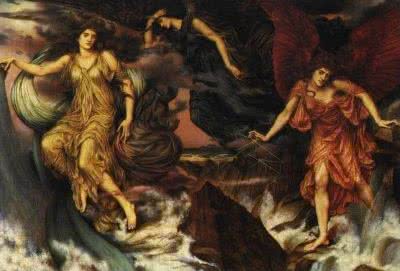
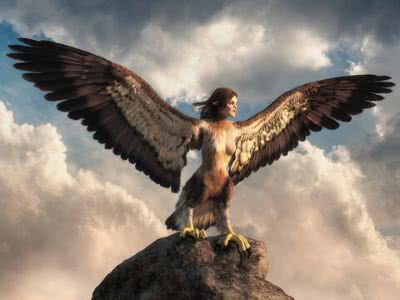
harpy

/ˈhɑːr.pi/

(noun) ハーピー, 意地悪な女, 口うるさい女

例:

In ancient Greek myths, the harpy was a creature of storm winds.
古代ギリシャ神話では、ハーピーは嵐の風の生き物でした。

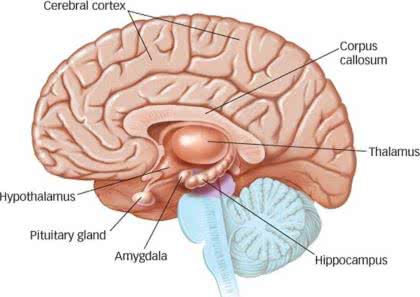
hippocampus

/ˌhɪp.əˈkæm.pəs/

(noun) 海馬, タツノオトシゴ

例:

Damage to the hippocampus can impair the formation of new memories.
海馬の損傷は、新しい記憶の形成を損なう可能性があります。

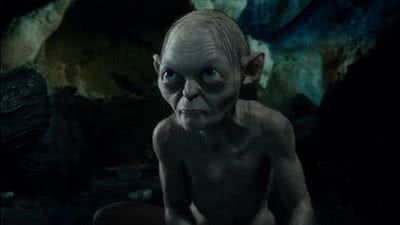
hobbit

/ˈhɑː.bɪt/

(noun) ホビット

例:

Bilbo Baggins is a famous hobbit from J.R.R. Tolkien's stories.
ビルボ・バギンズはJ.R.R.トールキンの物語に登場する有名なホビットです。

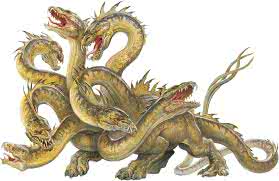
hydra

/ˈhaɪ.drə/

(noun) ヒドラ, 淡水ポリプ, 多頭の蛇

例:

The biologist observed a hydra under the microscope.
生物学者は顕微鏡でヒドラを観察した。

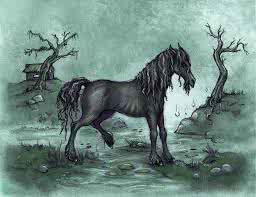
kelpie

/ˈkel.pi/

(noun) ケルピー, 水の精, オーストラリアン・ケルピー

例:

The old tales warned of the dangerous kelpie lurking in the deep loch.
古い物語は、深い湖に潜む危険なケルピーについて警告していた。

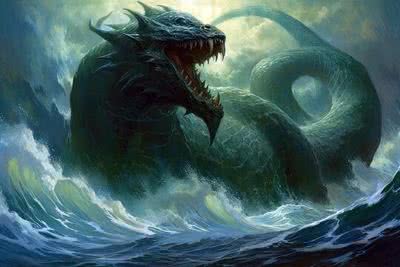
leviathan

/ləˈvaɪə.θən/

(noun) リヴァイアサン, 巨大な海の怪物, 巨大なもの

例:

The ancient mariners spoke of a monstrous leviathan lurking in the deep.
古代の船乗りたちは、深海に潜む巨大なリヴァイアサンについて語った。

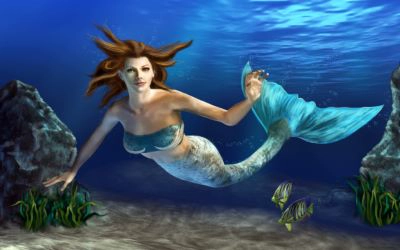
mermaid

/ˈmɝː.meɪd/

(noun) 人魚

例:

The sailor claimed to have seen a mermaid near the coral reef.
船乗りはサンゴ礁の近くで人魚を見たと言った。

merman

/ˈmɝː.mæn/

(noun) マーマン, 半人半魚の男

例:

The ancient sailors told tales of a powerful merman who guarded the sunken treasures.
古代の船乗りたちは、沈んだ宝物を守る強力なマーマンの物語を語った。

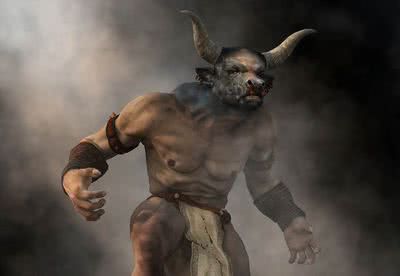
minotaur

/ˈmɪn.ə.tɔːr/

(noun) ミノタウロス

例:

The hero Theseus bravely faced the Minotaur in the labyrinth.
英雄テセウスは迷宮で勇敢にミノタウロスに立ち向かった。

monster

/ˈmɑːn.stɚ/

(noun) 怪物, モンスター, 悪魔;

(adjective) 巨大な, 莫大な

例:
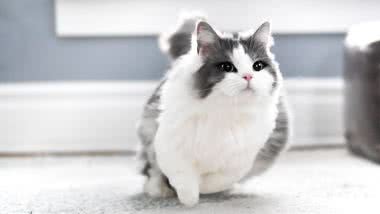
The child was scared of the monster under his bed.
子供はベッドの下の怪物を怖がっていた。

munchkin

/ˈmʌntʃ.kɪn/

(noun) マンチキン, ちびっ子, マンチキン(架空の種族)

例:

My little munchkin loves to play in the park.
私の小さなマンチキンは公園で遊ぶのが大好きです。

nymph

/nɪmf/

(noun) ニンフ, 妖精, 幼虫

例:

The ancient Greeks believed in forest nymphs.
古代ギリシャ人は森のニンフを信じていた。

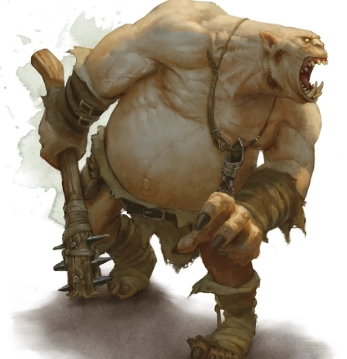
ogre

/ˈoʊ.ɡɚ/

(noun) オーガ, 人食い鬼, 鬼

例:

The brave knight faced the fearsome ogre in the dark forest.
勇敢な騎士は暗い森で恐ろしいオーガに立ち向かった。

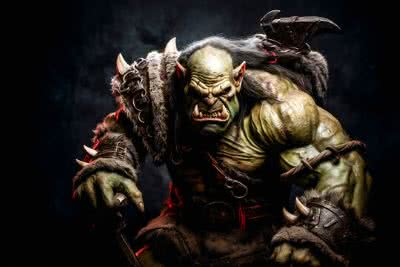
orc

/ɔːrk/

(noun) オーク

例:

The brave knight fought against a fearsome orc in the dark forest.
勇敢な騎士は暗い森で恐ろしいオークと戦った。

phoenix

/ˈfiː.nɪks/

(noun) フェニックス, 不死鳥, フェニックス座

例:

The legend of the phoenix symbolizes rebirth and renewal.
フェニックスの伝説は再生と更新を象徴しています。

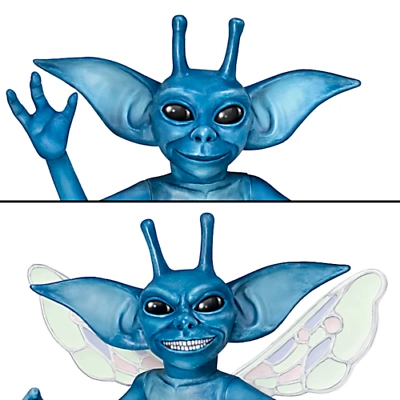
pixie

/ˈpɪk.si/

(noun) ピクシー, 妖精, ピクシーカット

例:

The children believed they saw a pixie dancing in the garden.
子供たちは庭でピクシーが踊っているのを見たと思った。

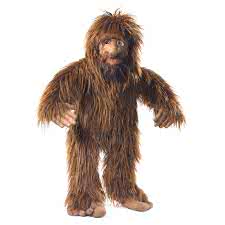
Sasquatch

/ˈsæs.kwɑːtʃ/

(noun) サスカッチ, ビッグフット

例:

Many people claim to have seen Sasquatch in the forests of North America.
多くの人が北米の森でサスカッチを見たことがあると主張している。

satyr

/ˈsæt̬.ɚ/

(noun) サテュロス, 好色漢, 色魔

例:

The ancient vase depicted a playful satyr chasing nymphs through the forest.
古代の壺には、森を駆け抜けるニンフを追いかける遊び心のあるサテュロスが描かれていた。

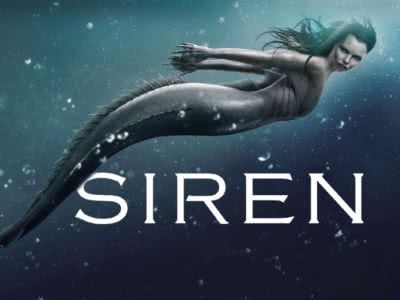
siren

/ˈsaɪr.ən/

(noun) サイレン, セイレーン, 魅惑的な女性

例:

The ambulance sped down the street with its siren blaring.
救急車はサイレンを鳴らしながら通りを疾走した。

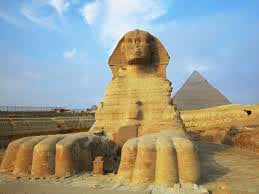
sphinx

/sfɪŋks/

(noun) スフィンクス, 謎めいた人, 謎

例:

The Great Sphinx of Giza is an iconic monument in Egypt.
ギザの大スフィンクスはエジプトの象徴的なモニュメントです。

spirit

/ˈspɪr.ət/

(noun) 精神, 魂, 雰囲気;

(verb) こっそり持ち去る, 魔法のように消す;

(adjective) 活気のある, 元気な, 勇敢な

例:

Her brave spirit never gave up.
彼女の勇敢な精神は決して諦めなかった。

sprite

/spraɪt/

(noun) 妖精, 小妖精, 精霊

例:

The forest was said to be home to tiny sprites that guarded ancient trees.
その森は、古木を守る小さな妖精たちの住処だと言われていた。

troll

/troʊl/

(noun) トロール, 荒らし, ネット荒らし;

(verb) 荒らす, 挑発する

例:

The children read a story about a friendly troll who lived in the forest.
子供たちは森に住む優しいトロールの物語を読んだ。

unicorn

/ˈjuː.nɪ.kɔːrn/

(noun) ユニコーン, ユニコーン企業

例:

Children often dream of seeing a real unicorn.
子供たちはよく本物のユニコーンを見ることを夢見ます。

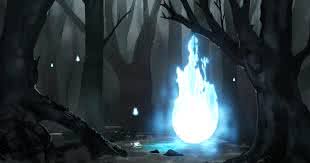
will-o'-the-wisp

/ˌwɪl.oʊ.ðəˈwɪsp/

(noun) ウィル・オ・ザ・ウィスプ, 鬼火, 幻

例:

The hikers reported seeing a mysterious will-o'-the-wisp in the swamp.
ハイカーたちは沼地で謎のウィル・オ・ザ・ウィスプを見たと言った。

boogeyman

/ˈbuː.ɡi.mæn/

(noun) ブギーマン, お化け, 恐怖の対象

例:

My little brother is afraid of the boogeyman under his bed.
私の弟はベッドの下のブギーマンを怖がっています。

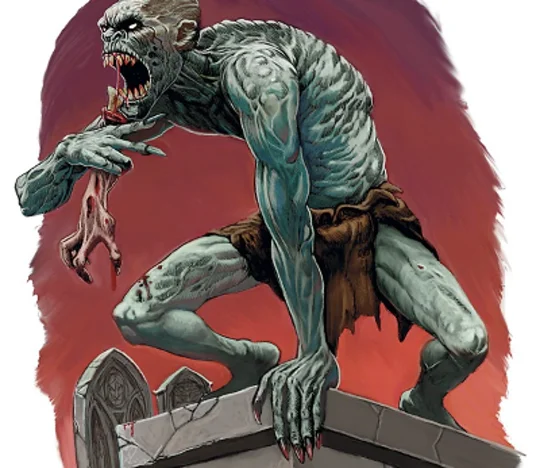
ghoul

/ɡuːl/

(noun) グール, 悪霊, 死体愛好家

例:

The ancient legend spoke of a terrifying ghoul that haunted the old cemetery.
古代の伝説は、古い墓地をさまよう恐ろしいグールについて語っていた。

Loch Ness Monster

/ˌlɑːk ˌnes ˈmɑːn.stər/

(noun) ネス湖の怪物

例:

Many people have claimed to see the Loch Ness Monster, but there is no scientific proof of its existence.
多くの人がネス湖の怪物を見たと言っていますが、その存在を科学的に証明するものは何もありません。
Lingolandでこの語彙セットを学習