Avatar of Vocabulary Set 800ポイント

19日目 - ボーナスはいくらですか? 内 800ポイント 語彙セット:完全かつ詳細なリスト

「19日目 - ボーナスはいくらですか?」内の「800ポイント」語彙セットは国際標準教材から厳選され、短期間で語彙をマスターできます。定義、例文、標準発音を網羅…

Lingolandでこの語彙セットを学習

今すぐ学習

be shaded

/biː ˈʃeɪ.dɪd/

(phrase) 日陰になっている, 網掛けされている

例:

The patio is shaded by a large oak tree.
パティオは大きなオークの木で日陰になっている

bring about

/brɪŋ əˈbaʊt/

(phrasal verb) 引き起こす, もたらす, 生じさせる

例:

The new policy aims to bring about significant changes in the education system.
新しい政策は教育システムに大きな変化をもたらすことを目指している。

cut costs

/kʌt kɔːsts/

(phrase) コストを削減する, 費用を削る

例:

The company had to cut costs to avoid going bankrupt.
会社は倒産を避けるためにコストを削減しなければならなかった。

figures

/ˈfɪɡ.jərz/

(noun) 数字, 数値, 体型;

(verb) 計算する, 〜になる, 思う

例:

Government figures show a rise in unemployment.
政府の数字は失業率の上昇を示している。

harsh

/hɑːrʃ/

(adjective) 厳しい, 耳障りな, 粗い

例:

The desert sun can be incredibly harsh.
砂漠の太陽は信じられないほど厳しいことがある。

have the best rates

/hæv ðə best reɪts/

(phrase) 最高の金利である, 最安値である

例:

This bank is known to have the best rates for savings accounts.
この銀行は普通預金で最高の金利を提供していることで知られています。

harm

/hɑːrm/

(noun) 危害, 損害;

(verb) 害する, 傷つける

例:

The accident caused him serious harm.
その事故は彼に深刻な危害を与えた。

link together

/lɪŋk təˈɡɛð.ɚ/

(phrasal verb) 繋ぎ合わせる, 結びつける

例:

The new bridge will link together the two islands.
新しい橋が2つの島を繋ぎ合わせるでしょう。

make money

/meɪk ˈmʌn.i/

(phrase) お金を稼ぐ, 儲ける

例:

He started a small business to make money.
彼はお金を稼ぐために小さなビジネスを始めた。

meet one's goal

/miːt wʌnz ɡoʊl/

(idiom) 目標を達成する, 目標を果たす

例:

She worked overtime every day to meet her goal of buying a new car.
彼女は新車を買うという目標を達成するために、毎日残業した。

misread

/ˌmɪsˈriːd/

(verb) 読み間違える, 読み違える, 誤解する

例:

I misread the instructions and used the wrong ingredients.
指示を読み間違えて、違う材料を使ってしまった。

sales report

/ˈseɪlz rɪˌpɔrt/

(noun) 販売レポート

例:

The manager reviewed the monthly sales report to track progress.
マネージャーは進捗状況を追跡するために月次販売レポートを確認した。

situated

/ˈsɪtʃ.u.eɪ.t̬ɪd/

(adjective) 位置している, ある

例:

The hotel is ideally situated near the beach.
ホテルはビーチの近くに理想的に位置しています

slight chance

/slaɪt tʃæns/

(phrase) わずかな可能性, わずかな見込み

例:

There is a slight chance of rain this afternoon.
今日の午後はわずかな確率で雨が降るでしょう。

take a course

/teɪk ə kɔːrs/

(phrase) 受講する, 講座を受ける

例:

I decided to take a course in digital marketing to improve my skills.
スキルを向上させるために、デジタルマーケティングの講座を受けることにしました。

to be honest with you

/tu bi ˈɑːnɪst wɪð ju/

(phrase) 正直に言うと, 実を言うと

例:

To be honest with you, I don't think this plan will work.
正直に言うと、この計画はうまくいかないと思います。

allot

/əˈlɑːt/

(verb) 割り当てる, 配分する, 分配する

例:

The committee will allot funds for the new project.
委員会は新しいプロジェクトに資金を割り当てるだろう。

allotment

/əˈlɑːt.mənt/

(noun) 割り当て, 配分, 区画

例:

The allotment of tasks was done fairly among the team members.
タスクの割り当てはチームメンバー間で公平に行われた。

charity

/ˈtʃer.ə.t̬i/

(noun) 慈善, 施し, 慈善団体

例:

He donated a large sum to charity.
彼は慈善事業に多額の寄付をした。

continued

/kənˈtɪn.juːd/

(adjective) 継続的な, 続いている;

(verb) 続いた, 継続した

例:

The company saw continued growth despite economic challenges.
経済的な課題にもかかわらず、同社は継続的な成長を遂げた。

desperate

/ˈdes.pɚ.ət/

(adjective) 絶望的な, 必死の, 最後の手段の

例:

He was desperate for a job.
彼は仕事に必死だった

doubtful

/ˈdaʊt.fəl/

(adjective) 疑わしい, 不確かな, ありそうもない

例:

I'm doubtful about his ability to finish the project on time.
彼が時間通りにプロジェクトを終える能力について疑わしい

downfall

/ˈdaʊn.fɑːl/

(noun) 没落, 失脚, 降雨

例:

Greed was the ultimate cause of his downfall.
強欲が彼の没落の究極の原因だった。

enhancement

/ɪnˈhæns.mənt/

(noun) 強化, 向上, 改善

例:

The new software provides significant enhancement to productivity.
新しいソフトウェアは生産性に大きな向上をもたらします。

factor

/ˈfæk.tɚ/

(noun) 要因, 要素, 因数;

(verb) 考慮に入れる, 要因とする, 因数分解する

例:

Cost was a major factor in our decision.
費用は私たちの決定における主要な要因でした。

fortune

/ˈfɔːr.tʃuːn/

(noun) 財産, 富, 運

例:

He inherited a vast fortune from his grandfather.
彼は祖父から莫大な財産を受け継いだ。

gross income

/ɡroʊs ˈɪn.kʌm/

(noun) 総所得, 総収入

例:

Her gross income is $50,000 a year, but her take-home pay is much less.
彼女の総所得は年5万ドルですが、手取り額はずっと少ないです。

impossible

/ɪmˈpɑː.sə.bəl/

(adjective) 不可能, ありえない, 非常に難しい

例:

It's impossible to finish this work in one day.
この仕事を一日で終えるのは不可能だ。

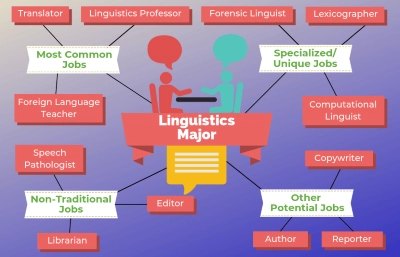
linguistics

/lɪŋˈɡwɪs.tɪks/

(noun) 言語学

例:

She is pursuing a degree in linguistics.
彼女は言語学の学位を取得するために勉強している。

loosely

/ˈluːs.li/

(adverb) 緩く, だらしなく, 大まかに

例:

The knot was tied loosely and came undone easily.
結び目は緩く結ばれていて、簡単にほどけた。

make up for

/meɪk ʌp fɔr/

(phrasal verb) 埋め合わせる, 償う

例:

I'll make up for lost time by working extra hours.
残業して失われた時間を埋め合わせるつもりです。

moderate

/ˈmɑː.dɚ.ət/

(adjective) 中程度の, 適度の, 穏健な;

(verb) 緩和する, 抑える, 司会する

例:

She achieved moderate success in her career.
彼女はキャリアで中程度の成功を収めた。

optimal

/ˈɑːp.tə.məl/

(adjective) 最適な, 最善の

例:

The optimal solution for this problem is to restart the system.
この問題の最適な解決策は、システムを再起動することです。

possess

/pəˈzes/

(verb) 所有する, 持つ, 備える

例:

He does not possess a car.
彼は車を所有していません。

profitable

/ˈprɑː.fɪ.t̬ə.bəl/

(adjective) 利益になる, 儲かる, 有益な

例:

The new business venture proved to be very profitable.
新しい事業は非常に利益になることが証明された。

put A in jeopardy

/pʊt eɪ ɪn ˈdʒep.ɚ.di/

(idiom) 危険にさらす, 危うくする

例:

The scandal could put his political career in jeopardy.
そのスキャンダルは彼の政治家としてのキャリアを危険にさらす可能性がある。

quite

/kwaɪt/

(adverb) 全く, 完全に, かなり

例:

I'm quite sure I locked the door.
ドアに鍵をかけたのは全く確かです。

sales figure

/seɪlz ˈfɪɡ.jɚ/

(noun) 売上高, 販売実績

例:

The company's sales figures for the last quarter were better than expected.
その会社の第4四半期の売上高は予想を上回った。

seek to do

/siːk tuː duː/

(phrase) 〜しようと努める, 〜することを目指す

例:

The company will seek to expand its operations next year.
その会社は来年、事業の拡大を目指す予定だ。

split

/splɪt/

(verb) 分割する, 割る, 分裂する;

(noun) 分裂, 分割, スプリット;

(adjective) 分割された, 割れた, 枝毛の

例:

The company decided to split into two separate entities.
その会社は2つの別々の事業体に分割することを決定した。

submission

/səbˈmɪʃ.ən/

(noun) 提出, 応募, 服従

例:

The deadline for essay submission is next Friday.
エッセイの提出期限は来週の金曜日です。

sufficient

/səˈfɪʃ.ənt/

(adjective) 十分な, 足りる

例:

We have sufficient resources to complete the project.
プロジェクトを完了するのに十分なリソースがあります。

surrounding

/səˈraʊn.dɪŋ/

(adjective) 周囲の, 周辺の;

(noun) 周囲, 環境

例:

The police cordoned off the area and the surrounding streets.
警察は地域と周辺の通りを封鎖した。

transition

/trænˈzɪʃ.ən/

(noun) 移行, 転換;

(verb) 移行する, 転換する

例:

The company is undergoing a major transition to new management.
その会社は新しい経営陣への大きな移行期を迎えている。

unusually

/ʌnˈjuː.ʒu.ə.li/

(adverb) 珍しく, 異常に

例:

The weather was unusually warm for this time of year.
今年のこの時期にしては珍しく暖かかった。

added benefits

/ˈæd.ɪd ˈben.ə.fɪts/

(plural noun) 付加的な特典, 追加のメリット

例:

The job offers a good salary, with the added benefits of free health insurance and a gym membership.
その仕事は給料が良く、無料の健康保険やジムの会員権といった付加的な特典もあります。

additional fee

/əˈdɪʃ.ən.əl fiː/

(noun) 追加料金, 別料金

例:

There is an additional fee for using the hotel's gym.
ホテルのジムを利用するには追加料金がかかります。

at a rapid rate

/æt ə ˈræp.ɪd reɪt/

(phrase) 急速なペースで, 速い速度で

例:

The city is growing at a rapid rate due to the new tech industry.
新しいハイテク産業のおかげで、その都市は急速なペースで成長している。

commercial value

/kəˈmɜːr.ʃəl ˈvæl.juː/

(noun) 商業的価値, 市場価値

例:

The old painting has significant commercial value despite its poor condition.
その古い絵画は、状態が悪いにもかかわらず、かなりの商業的価値がある。

dean

/diːn/

(noun) 学部長, 学長, 長老

例:

The dean of the Faculty of Arts announced new courses.
文学部の学部長が新しいコースを発表した。

disappointing

/ˌdɪs.əˈpɔɪn.t̬ɪŋ/

(adjective) がっかりさせる, 期待外れの

例:

The movie had a very disappointing ending.
その映画は非常にがっかりする結末だった。

do damage to

/duː ˈdæm.ɪdʒ tuː/

(phrase) 損害を与える, 傷つける

例:

The storm will do damage to the crops.
嵐は作物に損害を与えるだろう。

engineering

/ˌen.dʒɪˈnɪr.ɪŋ/

(noun) 工学, エンジニアリング, エンジニアの仕事

例:

She is studying civil engineering at university.
彼女は大学で土木工学を学んでいます。

file for bankruptcy

/faɪl fɔr ˈbæŋkrəpt.si/

(idiom) 破産を申請する, 倒産する

例:

After years of financial struggle, the company decided to file for bankruptcy.
長年の財政難の後、その会社は破産を申請することを決定した。

growth potential

/ɡroʊθ pəˈten.ʃəl/

(noun) 成長の可能性, 成長性

例:

Investors are looking for companies with high growth potential.
投資家は高い成長の可能性を持つ企業を探しています。

highlight

/ˈhaɪ.laɪt/

(verb) 強調する, 目立たせる, ハイライトする;

(noun) ハイライト, 見どころ, 一番良い部分

例:

The report highlights the need for better education.
その報告書はより良い教育の必要性を強調している

long-term stability

/lɔŋ tɜrm stəˈbɪl.ə.ti/

(noun) 長期的安定

例:

The government is focused on achieving long-term stability in the economy.
政府は経済の長期的安定の達成に注力している。

non-profit organization

/nɑnˈprɑfɪt ˌɔrɡənəˈzeɪʃən/

(noun) 非営利団体, NPO

例:

She volunteers for a local non-profit organization that helps homeless people.
彼女はホームレスを支援する地元の非営利団体でボランティアをしています。

on the rise

/ɑːn ðə raɪz/

(idiom) 上昇中で, 増加傾向に

例:

Crime rates in the city are on the rise.
市内の犯罪率が上昇している

piece by piece

/piːs baɪ piːs/

(idiom) 一つ一つ, 少しずつ

例:

He took the engine apart piece by piece.
彼はエンジンを一つ一つ分解した。

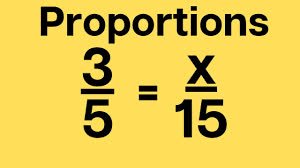
proportion

/prəˈpɔːr.ʃən/

(noun) 割合, 比率, プロポーション;

(verb) 比例させる, 釣り合わせる

例:

The proportion of women in the workforce has increased.
労働力における女性の割合が増加した。

raised

/reɪzd/

(adjective) 上げられた, 高くなった, 育った

例:

The platform was raised above the ground.
プラットフォームは地面より高くなっていた。

rising cost

/ˈraɪ.zɪŋ kɔːst/

(noun) 上昇するコスト, 価格の高騰

例:

Many families are struggling with the rising cost of living.
多くの家族が上昇する生活に苦しんでいます。

semester

/səˈmes.tɚ/

(noun) 学期

例:

The fall semester begins in late August.
秋の学期は8月下旬に始まります。

timeline

/ˈtaɪm.laɪn/

(noun) タイムライン, 年表, スケジュール

例:

The project manager presented a detailed timeline for the new software development.
プロジェクトマネージャーは、新しいソフトウェア開発の詳細なタイムラインを提示しました。

undergraduate

/ˌʌn.dɚˈɡrædʒ.u.ət/

(noun) 学部生, 大学生;

(adjective) 学部の, 大学の

例:

She is an undergraduate studying history.
彼女は歴史を専攻する学部生です。

up to

/ʌp tə/

(phrase) 企む, する, 次第

例:

What are you up to?
何を企んでいるの?
Lingolandでこの語彙セットを学習