
TOEFL必須語彙 内 プライドと偏見 語彙セット:完全かつ詳細なリスト
「TOEFL必須語彙」内の「プライドと偏見」語彙セットは国際標準教材から厳選され、短期間で語彙をマスターできます。定義、例文、標準発音を網羅…
Lingolandでこの語彙セットを学習
今すぐ学習

/ədˈmaɪr/
(verb) 尊敬する, 感心する, 眺める
例:
I truly admire her dedication to her work.
私は彼女の仕事への献身を心から尊敬しています。
/ˈbaɪ.əst/
(adjective) 偏った, 不公平な
例:
The news report was heavily biased towards the government's view.
そのニュース報道は政府の見解に強く偏っていた。

/dɪsˈɡʌst/
(noun) 嫌悪, 不快感;
(verb) うんざりさせる, 嫌悪感を抱かせる
例:
The sight of the rotten food filled her with disgust.
腐った食べ物を見た彼女は嫌悪感でいっぱいになった。

/teɪst/
(noun) 味, 風味, センス;
(verb) 味わう, 試食する, 味がする
例:
The soup has a delicious taste.
そのスープは美味しい味がする。

/ˈpref.ər.əns/
(noun) 好み, 優先, 希望
例:
She has a strong preference for classical music.
彼女はクラシック音楽に強い好みがある。



/ˈfeɪ.vɚ/
(noun) 好意, 恩恵, 支持;
(verb) 好む, 支持する, 優遇する
例:
Could you do me a favor and pick up my mail?
お願いがあるのですが、私の郵便物を受け取ってくれませんか?


/əˈpiːl/
(verb) 訴える, 訴え, 魅力的である;
(noun) 訴え, 懇願, 魅力
例:
Police are appealing for witnesses to the accident.
警察は事故の目撃者に訴えかけている。


/pliːz/
(interjection) お願いします, どうぞ;
(verb) 喜ばせる, 満足させる
例:
Can you help me, please?
お願いします、手伝ってくれますか?

/ˈkɑːn.test/
(noun) コンテスト, 競争;
(verb) 異議を唱える, 争う, 競う
例:
She won the singing contest.
彼女は歌のコンテストで優勝した。

/kraɪˈtɪriə/
(plural noun) 基準, 尺度
例:
What are the criteria for selecting the best candidate?
最優秀候補者を選出するための基準は何ですか?

/kəˈmɪt/
(verb) 犯す, 行う, コミットする
例:
He was arrested for attempting to commit fraud.
彼は詐欺を犯そうとしたとして逮捕された。

/ɪnˈflek.sə.bəl/
(adjective) 融通が利かない, 柔軟性がない, 曲がらない
例:
The company's policy is inflexible on refunds.
会社のポリシーは払い戻しに関して柔軟性がない。

/ˌfriː ˈwɪl/
(noun) 自由意志
例:
Do we truly have free will, or are our choices predetermined?
私たちは本当に自由意志を持っているのか、それとも私たちの選択はあらかじめ決められているのか?

/əkˈsept.ə.bəl/
(adjective) 受け入れられる, 許容できる, 満足できる
例:
The terms of the contract are acceptable.
契約条件は受け入れ可能です。

/daɪˈlem.ə/
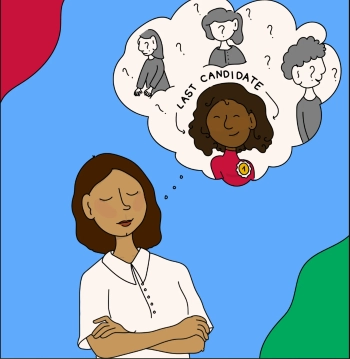
(noun) ジレンマ, 板挟み
例:
She was faced with the dilemma of whether to stay in her current job or take a new one with more responsibility.
彼女は現在の仕事を続けるか、より責任のある新しい仕事に就くかというジレンマに直面した。

/ˈkɑːm.prə.maɪz/
(noun) 妥協, 和解, 危険;
(verb) 妥協する, 危うくする, 損なう
例:
After long negotiations, they finally reached a compromise.
長い交渉の末、彼らはついに妥協点に達した。

/ˈset̬.əl/
(verb) 解決する, 決着をつける, 定住する;
(noun) 入植地, 集落, 和解
例:
They decided to settle the dispute out of court.
彼らは法廷外で紛争を解決することにした。

/pɚˈsweɪ.ʒən/
(noun) 説得, 説得力, 信条
例:
He used his charm and powers of persuasion to convince her.
彼は魅力と説得力を使って彼女を納得させた。

/rɪˈpʌl.ʃən/
(noun) 嫌悪, 反感, 反発
例:
She felt a strong sense of repulsion towards the violent scenes in the movie.
彼女は映画の暴力的なシーンに対して強い嫌悪感を抱いた。

/ɡrʌdʒ/
(noun) 恨み, 遺恨;
(verb) 惜しむ, 恨む
例:
She held a grudge against him for years after their argument.
彼女は口論の後、何年もの間彼に恨みを抱いていた。



/ˈdʒʌdʒ.mənt/
(noun) 判断力, 見識, 判決
例:
She showed excellent judgment in her choice of investments.
彼女は投資の選択において優れた判断力を示した。

/rɪˈzent.mənt/
(noun) 憤り, 恨み, 反感
例:
She felt a deep sense of resentment towards her boss for taking credit for her work.
彼女は自分の手柄を横取りした上司に対して深い憤りを感じた。