TOEFL必須語彙 内 生物学、物理学、化学 語彙セット:完全かつ詳細なリスト
「TOEFL必須語彙」内の「生物学、物理学、化学」語彙セットは国際標準教材から厳選され、短期間で語彙をマスターできます。定義、例文、標準発音を網羅…
Lingolandでこの語彙セットを学習
今すぐ学習

/ˌriː.prəˈdʌk.ʃən/
(noun) 複製, 模写, 生殖
例:
The museum has a high-quality reproduction of the famous painting.
美術館には有名な絵画の高品質な複製があります。
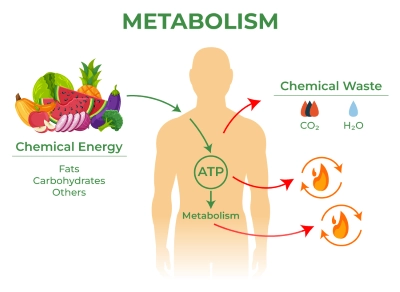
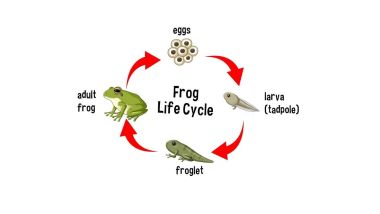
/ˈlaɪf ˌsaɪ.kəl/
(noun) ライフサイクル, 生活環, 製品寿命
例:
We studied the life cycle of a butterfly in science class.
理科の授業でチョウのライフサイクルを学びました。

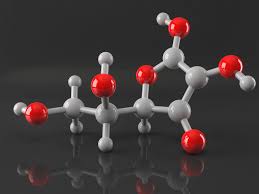
/ˈmɑː.lɪ.kjuːl/
(noun) 分子
例:
A water molecule consists of two hydrogen atoms and one oxygen atom.
水分子は2つの水素原子と1つの酸素原子から構成されています。
/məˈlek.jə.lɚ/
(adjective) 分子の
例:
The scientist studied the molecular structure of the compound.
科学者はその化合物の分子構造を研究した。
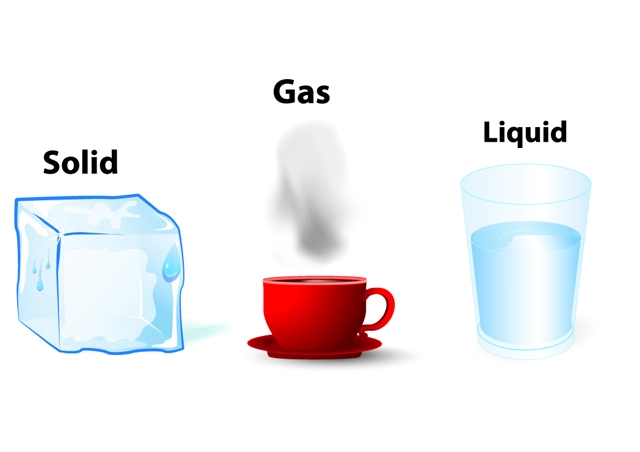
/ˈmæt̬.ɚ/
(noun) 物質, 問題, 事柄;
(verb) 重要である, 問題である
例:
All living things are composed of matter.
すべての生物は物質で構成されている。

/ˈkem.ə.stri/
(noun) 化学, 相性, 一体感
例:
She is studying chemistry at university.
彼女は大学で化学を学んでいます。

/ˈel.ə.mənt/
(noun) 要素, 成分, 元素
例:
Trust is a key element in any relationship.
信頼はどんな関係においても重要な要素です。
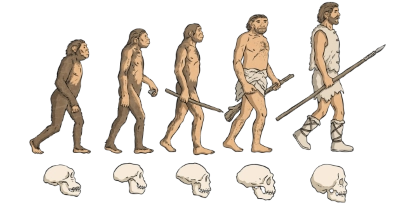
/ˌiː.vəˈluː.ʃən/
(noun) 進化, 発展
例:
The evolution of humans from apes is a widely accepted scientific theory.
類人猿から人類への進化は、広く受け入れられている科学理論です。

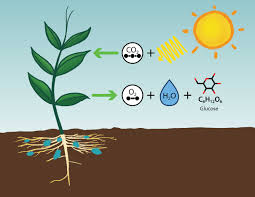
/ˌfoʊ.t̬oʊˈsɪn.θə.sɪs/
(noun) 光合成
例:
Plants produce oxygen as a byproduct of photosynthesis.
植物は光合成の副産物として酸素を生成します。
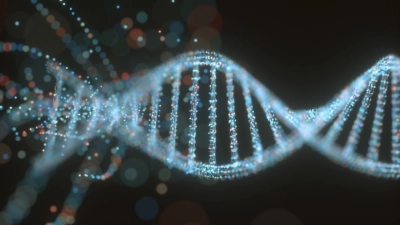
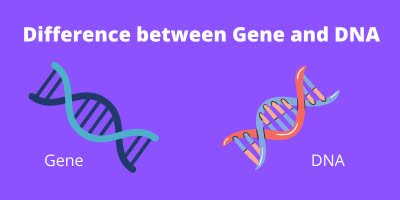
/ˌdiː.enˈeɪ/
(noun) DNA, デオキシリボ核酸, 本質
例:
Scientists are studying the structure of DNA.
科学者たちはDNAの構造を研究している。

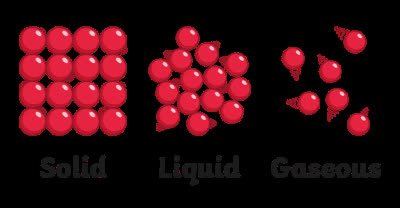
/ˈpɑːr.t̬ə.kəl/
(noun) 微塵, 少し, 素粒子;
(particle) 助詞, 不変化詞
例:
There wasn't a particle of dust in the room.
部屋には微塵も埃がなかった。
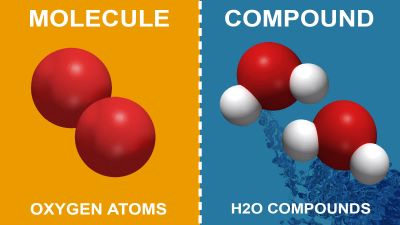
/ˈkɑːm.paʊnd/
(noun) 化合物, 混合物, 敷地;
(verb) 悪化させる, 増幅させる, 複利で計算する;
(adjective) 複合の, 合成の
例:
Water is a chemical compound of hydrogen and oxygen.
水は水素と酸素の化学化合物です。

/bɑːnd/
(noun) きずな, 結びつき, 絆;
(verb) 結合する, 接着する, 絆を深める
例:
The prisoner was held by a strong bond.
囚人は強いきずなでつながれていた。
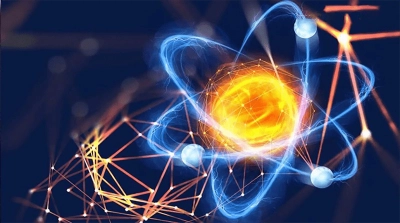
/əˈtɑː.mɪk/
(adjective) 原子の, 原子に関する, 極めて小さい
例:
The scientist studied the atomic structure of the element.
科学者はその元素の原子構造を研究した。
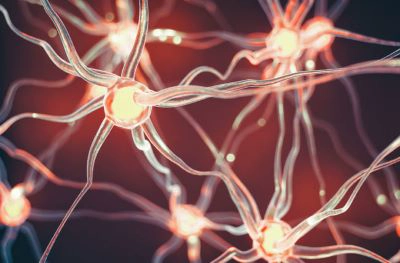
/nɝːv/
(noun) 神経, 度胸, 厚かましさ;
(verb) 勇気づける, 奮い立たせる
例:
The doctor tested his reflexes to check his nerves.
医者は彼の神経をチェックするために反射をテストした。
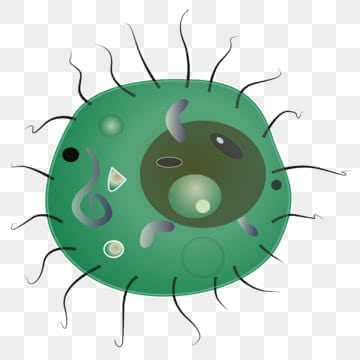
/ˈper.ə.saɪt/
(noun) 寄生虫, 寄生生物, たかり屋
例:
Fleas are common parasites found on dogs and cats.
ノミは犬や猫によく見られる寄生虫です。
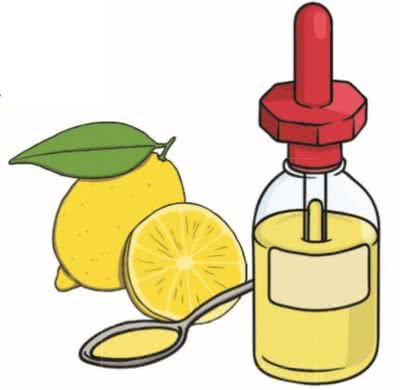
/ˈæs.ɪd/
(noun) 酸;
(adjective) 酸性の, 酸っぱい
例:
Sulfuric acid is a strong corrosive substance.
硫酸は強力な腐食性物質です。
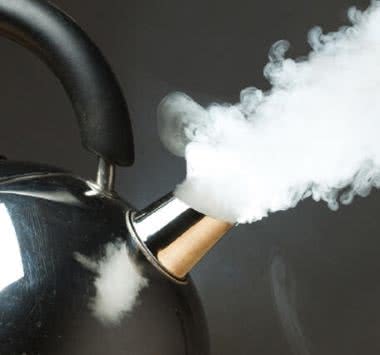
/ˈveɪ.pɚ/
(noun) 蒸気, 気体, 幻;
(verb) 蒸発させる, 気化させる
例:
The steam from the hot water created a thick vapor.
熱湯からの蒸気が濃い蒸気を作り出した。
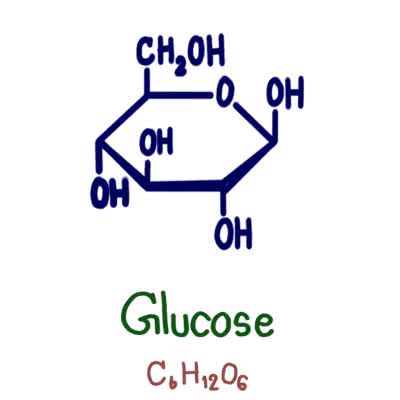
/ˈɡluː.koʊs/
(noun) ブドウ糖, グルコース
例:
The body converts carbohydrates into glucose for energy.
体はエネルギーのために炭水化物をブドウ糖に変換します。
/ˈnaɪ.trə.dʒən/