Avatar of Vocabulary Set 物理学と化学

TOEFL上級語彙 内 物理学と化学 語彙セット:完全かつ詳細なリスト

「TOEFL上級語彙」内の「物理学と化学」語彙セットは国際標準教材から厳選され、短期間で語彙をマスターできます。定義、例文、標準発音を網羅…

Lingolandでこの語彙セットを学習

今すぐ学習
vacuum

/ˈvæk.juːm/

(noun) 真空, 掃除機;

(verb) 掃除機をかける

例:

Scientists created a near-perfect vacuum in the lab.
科学者たちは実験室でほぼ完璧な真空を作り出した。

bond

/bɑːnd/

(noun) きずな, 結びつき, 絆;

(verb) 結合する, 接着する, 絆を深める

例:
The prisoner was held by a strong bond.
囚人は強いきずなでつながれていた。

composition

/ˌkɑːm.pəˈzɪʃ.ən/

(noun) 組成, 構成, 作品

例:

The composition of the soil affects plant growth.
土壌の組成は植物の成長に影響を与える。

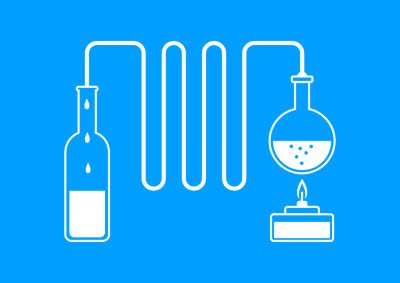
distill

/dɪˈstɪl/

(verb) 蒸留する, 抽出する, 要約する

例:

They distill water to remove impurities.
彼らは不純物を取り除くために水を蒸留する

compress

/kəmˈpres/

(verb) 圧縮する, 押し縮める, 圧迫する;

(noun) 湿布, 圧迫包帯

例:
The machine can compress large bales of hay.
その機械は大きな干し草の俵を圧縮することができる。

dark matter

/dɑːrk ˈmæt.ər/

(noun) ダークマター, 暗黒物質

例:

Scientists are still trying to understand the nature of dark matter.
科学者たちはまだダークマターの性質を理解しようとしている。

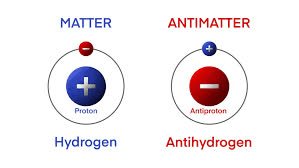
antimatter

/ˈæn.t̬iˌmæt̬.ɚ/

(noun) 反物質

例:

Scientists are studying antimatter to understand the early universe.
科学者たちは初期宇宙を理解するために反物質を研究している。

catalyst

/ˈkæt̬.əl.ɪst/

(noun) 触媒, きっかけ, 促進剤

例:

Enzymes act as biological catalysts in the body.
酵素は体内で生物学的触媒として機能する。

accelerate

/ekˈsel.ɚ.eɪt/

(verb) 加速する, 促進する, 早める

例:

The car began to accelerate as it entered the highway.
車は高速道路に入ると加速し始めた。

alkali

/ˈæl.kəl.aɪ/

(noun) アルカリ, 塩基

例:

Sodium hydroxide is a strong alkali.
水酸化ナトリウムは強アルカリです。

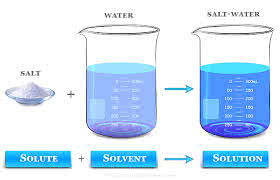
solvent

/ˈsɑːl.vənt/

(adjective) 支払い能力のある, 債務を弁済できる;

(noun) 溶媒

例:
The company remained solvent despite the economic downturn.
経済の低迷にもかかわらず、その会社は支払い能力を維持した

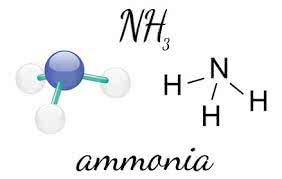
ammonia

/əˈmoʊ.ni.ə/

(noun) アンモニア

例:

The strong smell of ammonia filled the air.
強いアンモニアの匂いが空気に満ちた。

charcoal

/ˈtʃɑːr.koʊl/

(noun) 木炭, チャコール;

(adjective) チャコール, 濃い灰色

例:
We used charcoal to grill the burgers.
ハンバーガーを焼くのに木炭を使いました。

charged

/tʃɑːrdʒd/

(adjective) 充電された, 帯電した, 張り詰めた;

(past participle) 請求された, 課金された, 起訴された;

(verb) 請求する, 課金する, 起訴する

例:

The battery is fully charged.
バッテリーは完全に充電されています。

conductor

/kənˈdʌk.tɚ/

(noun) 指揮者, 導体, 車掌

例:

The conductor raised his baton, and the orchestra began to play.
指揮者が指揮棒を上げると、オーケストラは演奏を始めた。

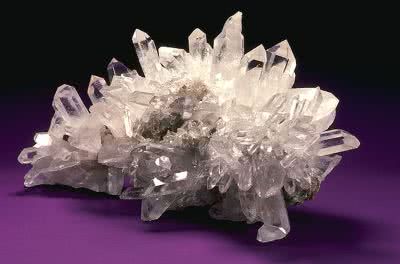
crystal

/ˈkrɪs.təl/

(noun) クリスタル, 結晶, クリスタルガラス;

(adjective) クリスタルのように澄んだ, 透明な

例:
The chandelier was adorned with sparkling crystals.
シャンデリアはきらめくクリスタルで飾られていた。

ion

/ˈaɪ.ɑːn/

(noun) イオン

例:

Sodium chloride dissolves in water to form sodium ions and chloride ions.
塩化ナトリウムは水に溶けてナトリウムイオンと塩化物イオンを形成します。

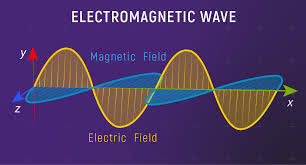
electromagnetic

/iˌlek.troʊ.mæɡˈnet̬.ɪk/

(adjective) 電磁の

例:

Light is a form of electromagnetic radiation.
光は電磁放射の一種です。

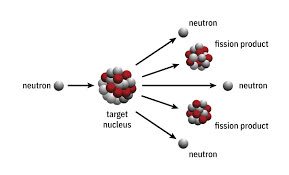
nuclear fission

/ˈnuːkliər ˈfɪʃən/

(noun) 核分裂

例:

The power plant uses nuclear fission to generate electricity.
発電所は電気を生成するために核分裂を利用しています。

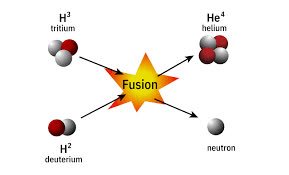
nuclear fusion

/ˌnuː.klɪər ˈfjuː.ʒən/

(noun) 核融合

例:

Scientists are working to harness nuclear fusion as a clean energy source.
科学者たちはクリーンエネルギー源として核融合を利用しようと取り組んでいます。

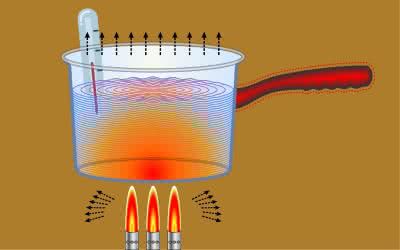
evaporate

/ɪˈvæp.ə.reɪt/

(verb) 蒸発する, 気化する, 消え去る

例:

The water will evaporate quickly in the sun.
水は太陽の下で早く蒸発するだろう。

aluminum

/əˈluː.mə.nəm/

(noun) アルミニウム

例:

Most soda cans are made of aluminum.
ほとんどのソーダ缶はアルミニウム製です。

alloy

/ˈæl.ɔɪ/

(noun) 合金;

(verb) 合金化する

例:

Brass is an alloy of copper and zinc.
真鍮は銅と亜鉛の合金です。

magnetic

/mæɡˈnet̬.ɪk/

(adjective) 磁気の, 磁気を帯びた, 魅力的な

例:

The compass needle is magnetic.
方位磁針は磁気を帯びている

friction

/ˈfrɪk.ʃən/

(noun) 摩擦, 不和

例:

The car tires need good friction to grip the road.
車のタイヤは路面をグリップするために良い摩擦が必要です。

corrosion

/kəˈroʊ.ʒən/

(noun) 腐食, 錆, 浸食

例:

The bridge showed signs of severe corrosion due to saltwater exposure.
橋は塩水にさらされたため、深刻な腐食の兆候を示した。

mass

/mæs/

(noun) 塊, かたまり, 質量;

(verb) 集まる, 集結する;

(adjective) 大量の, 大衆の

例:
A huge mass of rock blocked the road.
巨大な岩の塊が道を塞いでいた。

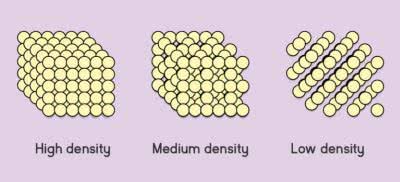
density

/ˈden.sə.t̬i/

(noun) 密度, 質量密度

例:

The population density in the city center is very high.
都心部の人口密度は非常に高い。

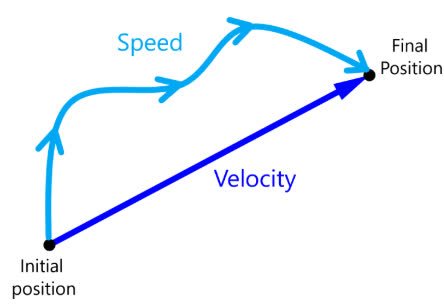
velocity

/vəˈlɑː.sə.t̬i/

(noun) 速度, 速さ

例:

The car reached a high velocity on the highway.
車は高速道路で高い速度に達した。

lead

/liːd/

(noun) 主導権, 手本, リード;

(verb) 導く, 率いる, 指揮する

例:
She took the lead in organizing the event.
彼女がイベントの企画で主導権を握った。

graphite

/ˈɡræf.aɪt/

(noun) グラファイト, 黒鉛

例:

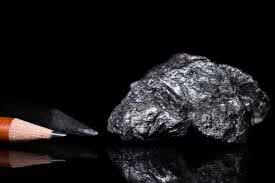
Pencil 'lead' is actually made of graphite and clay.
鉛筆の芯は実際にはグラファイトと粘土でできています。

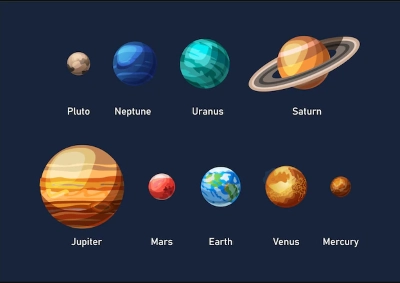
mercury

/ˈmɝː.kjə.ri/

(noun) 水銀, 水星, メルクリウス

例:

The old thermometer contained mercury.
古い温度計には水銀が含まれていました。

nickel

/ˈnɪk.əl/

(noun) ニッケル, 5セント硬貨, ニッケル硬貨;

(verb) ニッケルメッキする

例:
Stainless steel contains nickel.
ステンレス鋼にはニッケルが含まれています。

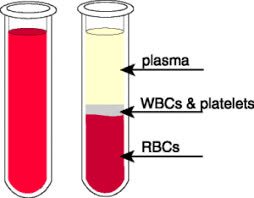
plasma

/ˈplæz.mə/

(noun) 血漿, プラズマ

例:

The doctor ordered a plasma transfusion for the patient.
医師は患者に血漿輸血を指示した。

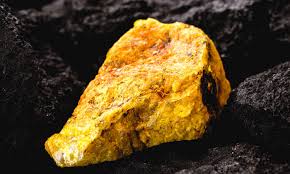
uranium

/jʊˈreɪ.ni.əm/

radioactive

/ˌreɪ.di.oʊˈæk.tɪv/

(adjective) 放射性の

例:

The waste material is highly radioactive and must be handled with extreme care.
廃棄物は非常に放射性が高く、細心の注意を払って取り扱う必要があります。

thermal

/ˈθɝː.məl/

(adjective) 熱の, 熱に関する, 保温の;

(noun) 上昇気流, 熱気流

例:

The house has excellent thermal insulation.
その家は優れた絶縁性を持っています。

static

/ˈstæt̬.ɪk/

(adjective) 静的な, 停滞した;

(noun) 雑音, 砂嵐

例:
The population remained static for decades.
人口は数十年間停滞したままだった。

synthetic

/sɪnˈθet̬.ɪk/

(adjective) 合成の, 人工の, 不自然な

例:

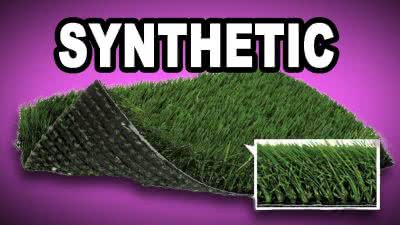
This fabric is made from synthetic fibers.
この生地は合成繊維でできています。
Lingolandでこの語彙セットを学習