Avatar of Vocabulary Set 体調と怪我

TOEFL上級語彙 内 体調と怪我 語彙セット:完全かつ詳細なリスト

「TOEFL上級語彙」内の「体調と怪我」語彙セットは国際標準教材から厳選され、短期間で語彙をマスターできます。定義、例文、標準発音を網羅…

Lingolandでこの語彙セットを学習

今すぐ学習
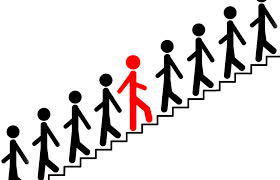
abnormality

/ˌæb.nɔːrˈmæl.ə.t̬i/

(noun) 異常, 変則

例:

The doctor found a slight abnormality in the blood test results.
医師は血液検査の結果にわずかな異常を見つけた。

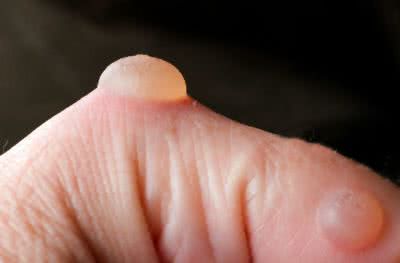
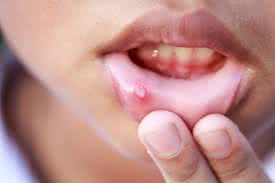
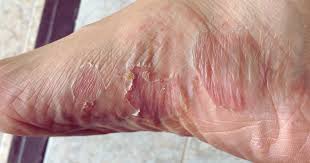
blister

/ˈblɪs.tɚ/

(noun) 水ぶくれ, まめ, 気泡;

(verb) 水ぶくれができる, 気泡ができる

例:

The new shoes gave her a painful blister on her heel.
新しい靴でかかとに痛い水ぶくれができた。

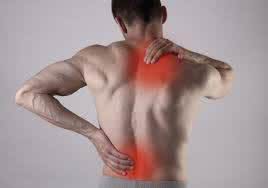
sore

/sɔːr/

(adjective) 痛い, ヒリヒリする, 根に持っている;

(noun) ただれ, 傷, 口唇ヘルペス

例:
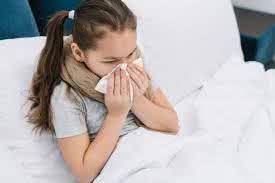
My muscles are sore after the workout.
トレーニングの後、筋肉が痛い

malady

/ˈmæl.ə.di/

(noun) 病気, 疾患, 病弊

例:

She suffered from a mysterious malady for years.
彼女は何年もの間、謎の病気に苦しんでいた。

irritation

/ˌɪr.əˈteɪ.ʃən/

(noun) いらだち, 苛立ち, 怒り

例:

He tried to hide his irritation at the delay.
彼は遅延に対するいらだちを隠そうとした。

affliction

/əˈflɪk.ʃən/

(noun) 苦痛, 病気, 災難

例:

The country was plagued by the affliction of war.
その国は戦争の苦難に悩まされていた。

episode

/ˈep.ə.soʊd/

(noun) エピソード, 出来事, 期間

例:

The whole episode was a complete disaster.
その出来事全体が完全な災害だった。

ailment

/ˈeɪl.mənt/

(noun) 病気, 疾患, 不調

例:

She suffered from a minor stomach ailment.
彼女は軽度の胃の病気に苦しんでいた。

concussion

/kənˈkʌʃ.ən/

(noun) 脳震盪

例:

The football player suffered a severe concussion after the tackle.
そのサッカー選手はタックルの後、重い脳震盪を負った。

spasm

/ˈspæz.əm/

(noun) けいれん, ひきつけ, 発作

例:

The sudden cold water caused a spasm in his leg.
突然の冷たい水が彼の脚にけいれんを引き起こした。

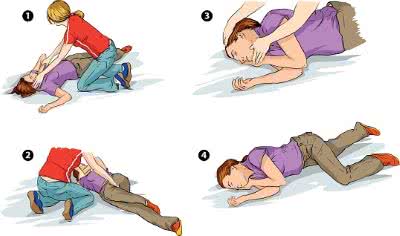
seizure

/ˈsiː.ʒɚ/

(noun) 発作, けいれん, 押収

例:

The patient suffered a severe epileptic seizure.
患者は重度のてんかん発作を起こした。

rupture

/ˈrʌp.tʃɚ/

(noun) 破裂, 断裂, 断絶;

(verb) 破裂する, 断裂する

例:

The sudden pressure caused a rupture in the pipe.
突然の圧力でパイプに破裂が生じた。

malaise

/məlˈeɪz/

(noun) 不調, 倦怠感, 不快感

例:

The country was suffering from a general economic malaise.
その国は一般的な経済的不調に苦しんでいた。

trauma

/ˈtrɑː.mə/

(noun) トラウマ, 心的外傷, 外傷

例:

The accident caused him severe emotional trauma.
その事故は彼に深刻な精神的外傷を与えた。

paralysis

/pəˈræl.ə.sɪs/

(noun) 麻痺, 不随, 停滞

例:

The accident left him with permanent paralysis from the waist down.
その事故で、彼は腰から下に永久的な麻痺が残った。

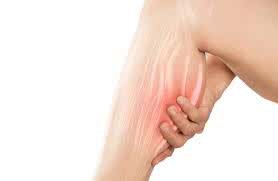
cramp

/kræmp/

(noun) けいれん, こむら返り, 制約;

(verb) 妨げる, 制約する

例:
I got a terrible cramp in my leg while swimming.
泳いでいる最中に足にひどいけいれんが起きた。

miscarriage

/ˈmɪsˌker.ɪdʒ/

(noun) 流産, 失敗, 誤り

例:

She suffered a miscarriage in her first trimester.
彼女は妊娠初期に流産した。

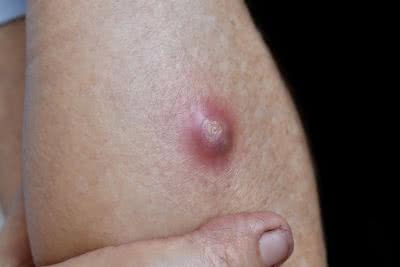
ulcer

/ˈʌl.sɚ/

(noun) 潰瘍

例:

The doctor diagnosed him with a stomach ulcer.
医師は彼に胃潰瘍と診断した。

cyst

/sɪst/

(noun) 嚢胞, のうほう

例:

The doctor drained the cyst on her wrist.
医者は彼女の手首の嚢胞を排出した。

constipation

/ˌkɑːn.stəˈpeɪ.ʃən/

(noun) 便秘

例:

He suffered from severe constipation after the surgery.
彼は手術後、重度の便秘に苦しんだ。

diarrhea

/ˌdaɪ.əˈriː.ə/

(noun) 下痢

例:

He suffered from severe diarrhea after eating contaminated food.
彼は汚染された食べ物を食べた後、重度の下痢に苦しんだ。

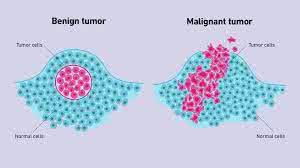
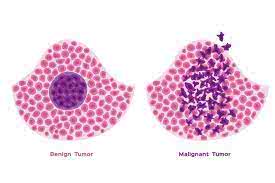
benign

/bɪˈnaɪn/

(adjective) 優しい, 穏やかな, 良性の

例:

He has a benign smile.
彼は優しい笑顔をしている。

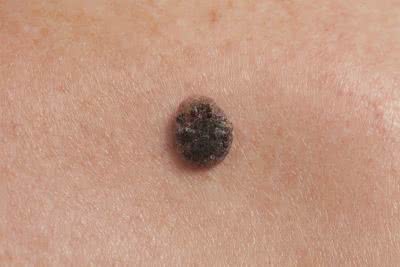
malignant

/məˈlɪɡ.nənt/

(adjective) 悪性, 悪意のある

例:

He developed a malignant tumor that spread rapidly.
彼は急速に広がる悪性腫瘍を発症した。

chronic

/ˈkrɑː.nɪk/

(adjective) 慢性の, 長期的な, 常習的な

例:

She suffers from chronic back pain.
彼女は慢性的な腰痛に苦しんでいる。

cancerous

/ˈkæn.sə.rəs/

(adjective) 癌性の, 癌にかかった

例:

The doctor found a cancerous tumor.
医師は癌性の腫瘍を発見した。

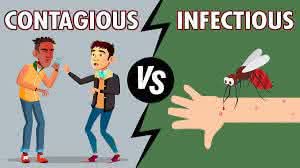
contagious

/kənˈteɪ.dʒəs/

(adjective) 伝染性の, 感染性の

例:

The flu is highly contagious.
インフルエンザは非常に伝染性が高い。

hereditary

/həˈred.ə.ter.i/

(adjective) 遺伝性の, 世襲の

例:

Blue eyes are a hereditary trait in her family.
青い目は彼女の家族の遺伝的な特徴です。

congenital

/kənˈdʒen.ə.t̬əl/

(adjective) 先天性の, 生来の, 天性の

例:

She was born with a congenital heart defect.
彼女は先天性の心臓病を持って生まれた。

septic

/ˈsep.tɪk/

(adjective) 敗血症性の, 腐敗性の

例:

The wound became septic and required immediate medical attention.
傷は敗血症性になり、直ちに医療処置が必要でした。

terminal

/ˈtɝː.mə.nəl/

(adjective) 末端の, 終点の, 末期の;

(noun) ターミナル, 終点, 端子

例:

The bus arrived at the terminal station.
バスは終点駅に到着した。

pathological

/ˌpæθ.əˈlɑː.dʒɪ.kəl/

(adjective) 病理学的, 病的な, 強迫的な

例:

The doctor ordered further tests to determine the pathological changes in the tissue.
医師は組織の病理学的変化を特定するためにさらなる検査を命じた。

diabetic

/ˌdaɪ.əˈbet̬.ɪk/

(noun) 糖尿病患者;

(adjective) 糖尿病の

例:

My grandmother is a diabetic and needs to monitor her blood sugar.
私の祖母は糖尿病患者で、血糖値を監視する必要があります。

comatose

/ˈkoʊ.mə.toʊs/

(adjective) 昏睡状態の, 意識不明の, 無気力な

例:

The patient remained comatose for several days after the accident.
患者は事故後数日間昏睡状態だった。

aggravate

/ˈæɡ.rə.veɪt/

(verb) 悪化させる, 重くする, いらいらさせる

例:

The loud music began to aggravate his headache.
大音量の音楽が彼の頭痛を悪化させ始めた。

recuperate

/rɪˈkuː.pər.eɪt/

(verb) 回復する, 元気になる, 回収する

例:

She needs time to recuperate after the surgery.
彼女は手術後、回復する時間が必要です。

remission

/rɪˈmɪʃ.ən/

(noun) 寛解, 治癒, 免除

例:

The patient's cancer is now in remission.
患者のがんは現在寛解状態にある。

pathogen

/ˈpæθ.ə.dʒən/

(noun) 病原体, 病原菌

例:

The scientists identified a new pathogen responsible for the outbreak.
科学者たちは、アウトブレイクの原因となる新しい病原体を特定した。

inflammation

/ˌɪn.fləˈmeɪ.ʃən/

(noun) 炎症

例:

The doctor diagnosed inflammation in her knee.
医師は彼女の膝に炎症があると診断した。

sustain

/səˈsteɪn/

(verb) 支える, 維持する, 持続させる

例:

The pillars sustain the roof.
柱が屋根を支えている

succumb

/səˈkʌm/

(verb) 屈する, 負ける, 亡くなる

例:

He finally succumbed to the temptation of a second slice of cake.
彼はついに2切れ目のケーキの誘惑に屈した
Lingolandでこの語彙セットを学習