Avatar of Vocabulary Set 疑いと確信

TOEFL上級語彙 内 疑いと確信 語彙セット:完全かつ詳細なリスト

「TOEFL上級語彙」内の「疑いと確信」語彙セットは国際標準教材から厳選され、短期間で語彙をマスターできます。定義、例文、標準発音を網羅…

Lingolandでこの語彙セットを学習

今すぐ学習


admit of

/ədˈmɪt ʌv/

(phrasal verb) 許す, 認める

例:

The plan admits of no delay.
その計画は遅延を許さない

cinch

/sɪntʃ/

(noun) 簡単なこと, 楽勝, 腹帯;

(verb) 締める, 固定する, 確実にする

例:

Learning to ride a bike was a cinch for him.
自転車に乗ることを学ぶのは彼にとってとても簡単だった。

divine

/dɪˈvaɪn/

(adjective) 神の, 神聖な, 素晴らしい;

(verb) 見抜く, 解読する

例:

Many ancient cultures worshipped a multitude of divine beings.
多くの古代文化は多数の神聖な存在を崇拝していました。

guesstimate

/ˈɡes.tə.mət/

(noun) 概算, 推測;

(verb) 概算する, 推測する

例:

My budget for the trip is just a guesstimate at this point.
現時点での旅行予算は単なる概算です。

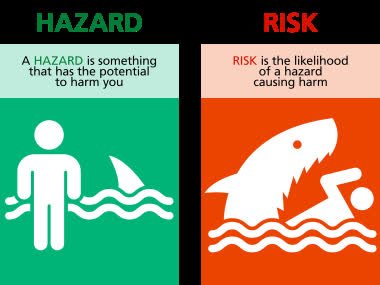
hazard

/ˈhæz.ɚd/

(noun) 危険, 危害;

(verb) 危険にさらす, あえてする

例:

The construction site was full of potential hazards.
建設現場は潜在的な危険でいっぱいだった。

scruple

/ˈskruː.pəl/

(noun) ためらい, 良心の呵責;

(verb) ためらう, 躊躇する

例:

He had no scruples about cheating on the test.
彼は試験でカンニングすることに何のためらいもなかった。

surmise

/sɚˈmaɪz/

(verb) 推測する, 察する;

(noun) 推測, 憶測

例:

He surmised that she was not interested in the offer.
彼は彼女がその申し出に興味がないと推測した

warrant

/ˈwɔːr.ənt/

(noun) 令状, 許可証, 保証;

(verb) 正当化する, 必要とする

例:

The judge issued a search warrant for the suspect's home.
裁判官は容疑者の家に対する捜索令状を発行した。

axiomatic

/ˌæk.si.əˈmæt̬.ɪk/

(adjective) 自明の, 公理の

例:

It is axiomatic that life is not always fair.
人生が常に公平ではないということは自明の理である。

ambiguous

/æmˈbɪɡ.ju.əs/

(adjective) 曖昧な, 多義的な, 不明瞭な

例:

The ending of the movie was deliberately ambiguous, leaving viewers to ponder its true meaning.
映画の結末は意図的に曖昧で、観客にその真の意味を考えさせた。

apocryphal

/əˈpɑː.krə.fəl/

(adjective) 真偽不明の, 疑わしい

例:

The story about the hidden treasure is probably apocryphal.
隠された宝物の話は、おそらく真偽不明だ。

bewildered

/bɪˈwɪl.dɚd/

(adjective) 当惑した, 途方に暮れた

例:

He had a bewildered look on his face when he saw the results.
結果を見たとき、彼は当惑した表情を浮かべていた。

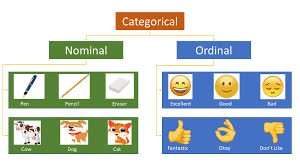
categorical

/ˌkæt̬.əˈɡɔːr.ɪ.kəl/

(adjective) 断固たる, 絶対的な, カテゴリ別の

例:

He made a categorical denial of the accusations.
彼はその告発を断固として否定した。

cliffhanging

/ˈklɪfˌhæŋ.ɪŋ/

(adjective) ハラハラさせる, 手に汗握る

例:

The season finale ended with a cliffhanging moment that left fans desperate for more.
シーズンフィナーレは、ファンが続きを熱望するようなハラハラさせる瞬間で終わった。

decisive

/dɪˈsaɪ.sɪv/

(adjective) 決断力のある, 断固とした, 決定的な

例:

A decisive leader is essential in times of crisis.
危機時には決断力のあるリーダーが不可欠です。

dogmatic

/dɑːɡˈmæt̬.ɪk/

(adjective) 独断的な, 教条的な

例:

He was too dogmatic in his views to consider alternative solutions.
彼は自分の見解に独断的すぎて、代替案を検討しなかった。

equivocal

/ɪˈkwɪv.ə.kəl/

(adjective) 曖昧な, 不確かな, 二義的な

例:

The politician gave an equivocal answer to the reporter's question.
その政治家は記者の質問に対して曖昧な回答をした。

halting

/ˈhɑːl.t̬ɪŋ/

(adjective) たどたどしい, 途切れ途切れの, ぎこちない

例:

He gave a halting speech, pausing frequently.
彼は頻繁に立ち止まりながら、たどたどしいスピーチをした。

incontrovertible

/ɪnˌkɑːn.trəˈvɝː.t̬ə.bəl/

(adjective) 議論の余地のない, 反論できない

例:

The evidence was incontrovertible.
証拠は議論の余地のないものだった。

reputed

/rɪˈpjuː.t̬ɪd/

(adjective) 評判の, 〜とされている

例:

He is reputed to be the best doctor in the city.
彼は市内で最高の医者だと評判だ。

robust

/roʊˈbʌst/

(adjective) 頑丈な, 強健な, しっかりした

例:

He is a robust man who rarely gets sick.
彼はめったに病気にならない頑丈な男だ。

wavering

/ˈweɪ.vɚ.ɪŋ/

(adjective) 揺らぐ, ためらっている, 震える;

(verb) 揺れる, ためらう

例:

Despite his wavering support, the project continued.
彼の揺らぐ支持にもかかわらず、プロジェクトは継続された。

buoyancy

/ˈbɔɪ.ən.si/

(noun) 浮力, 浮揚性, 陽気さ

例:

The boat's excellent buoyancy kept it afloat even in rough seas.
そのボートの優れた浮力は、荒れた海でも浮き続けた。

certitude

/ˈsɝː.t̬ə.tuːd/

(noun) 確信, 確実性

例:

He spoke with certitude about his beliefs.
彼は自分の信念について確信を持って話した。

conjecture

/kənˈdʒek.tʃɚ/

(noun) 推測, 憶測, 当て推量;

(verb) 推測する, 憶測する, 当て推量する

例:

The detective's theory was based on conjecture, not solid evidence.
探偵の理論は確固たる証拠ではなく、推測に基づいていた。

diffidence

/ˈdɪf.ɪ.dəns/

(noun) 遠慮, 内気, 自信のなさ

例:

She overcame her natural diffidence and spoke in front of the large crowd.
彼女は持ち前の遠慮を克服し、大勢の聴衆の前で話した。

educated guess

/ˌedʒ.ə.keɪ.t̬ɪd ˈɡes/

(noun) 経験に基づいた推測, 根拠のある推測

例:

Based on the data, my educated guess is that sales will increase next quarter.
データに基づくと、私の経験に基づいた推測では、来四半期には売上が増加するでしょう。

foregone conclusion

/fɔːrˈɡɔːn kənˈkluːʒən/

(noun) 分かりきったこと, 既定の事実

例:

The election result was a foregone conclusion long before the votes were counted.
選挙結果は、票が数えられるずっと前から分かりきったことだった。

plight

/plaɪt/

(noun) 窮状, 苦境, 困難な状況

例:

The refugees' plight moved the international community to action.
難民の窮状は国際社会を行動に駆り立てた。

quandary

/ˈkwɑːn.dri/

(noun) 困惑, 板挟み

例:

I've been in a quandary about whether to accept the job offer.
その仕事のオファーを受けるべきかどうか困惑しています。

vagueness

/ˈveɪɡ.nəs/

(noun) 曖昧さ, 漠然

例:

The vagueness of his answer made me suspicious.
彼の答えの曖昧さに私は疑念を抱いた。
Lingolandでこの語彙セットを学習