Avatar of Vocabulary Set 確実と不確実

SAT 数学と論理の語彙 内 確実と不確実 語彙セット:完全かつ詳細なリスト

「SAT 数学と論理の語彙」内の「確実と不確実」語彙セットは国際標準教材から厳選され、短期間で語彙をマスターできます。定義、例文、標準発音を網羅…

Lingolandでこの語彙セットを学習

今すぐ学習

assurance

/əˈʃʊr.əns/

(noun) 保証, 確約, 約束

例:

He gave me his assurance that the work would be completed on time.
彼は仕事が時間通りに終わるという保証を私に与えた。

definite

/ˈdef.ən.ət/

(adjective) 明確な, 確実な, 決定的な

例:

We need a definite answer by tomorrow.
明日までに明確な答えが必要です。

inarguable

/ɪnˈɑːrɡ.ju.ə.bəl/

(adjective) 議論の余地のない, 明白な

例:

It is an inarguable fact that the Earth revolves around the Sun.
地球が太陽の周りを回っているというのは議論の余地のない事実だ。

undeniable

/ˌʌn.dɪˈnaɪ.ə.bəl/

(adjective) 否定できない, 明白な

例:

The evidence was undeniable.
証拠は否定できないものだった。

conclusive

/kənˈkluː.sɪv/

(adjective) 決定的な, 最終的な, 確実な

例:

The evidence was not conclusive enough to convict him.
証拠は彼を有罪にするほど決定的ではなかった。

infallible

/ɪnˈfæl.ə.bəl/

(adjective) 間違いを犯さない, 決して間違わない, 決して失敗しない

例:

Even experts are not infallible.
専門家でさえ間違いを犯さないわけではない。

unequivocal

/ˌʌn.ɪˈkwɪv.ə.kəl/

(adjective) 明確な, 疑いのない, 断固たる

例:

The answer was an unequivocal 'no'.
答えは明確な「いいえ」でした。

definitive

/dɪˈfɪn.ə.t̬ɪv/

(adjective) 決定的な, 最終的な, 確実な

例:

The police report provided definitive proof of his innocence.
警察の報告書は彼の無実の決定的な証拠を提供した。

evident

/ˈev.ə.dənt/

(adjective) 明白な, 明らかな, はっきりした

例:

It was evident that she was upset.
彼女が動揺しているのは明らかだった。

indisputable

/ˌɪn.dɪˈspjuː.t̬ə.bəl/

(adjective) 議論の余地がない, 反論できない

例:

The evidence was indisputable.
その証拠は議論の余地がないものだった。

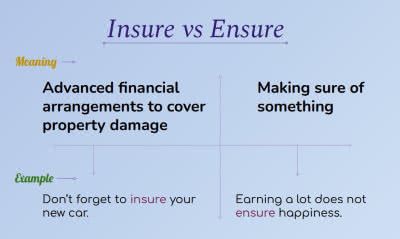
ensure

/ɪnˈʃʊr/

(verb) 確実にする, 保証する

例:

The new system will ensure that all data is secure.
新しいシステムはすべてのデータが安全であることを保証します

ascertain

/ˌæs.ɚˈteɪn/

(verb) 確かめる, 確認する, 究明する

例:

I need to ascertain the truth before I make a decision.
決定を下す前に真実を確かめる必要があります。

undoubtedly

/ʌnˈdaʊ.t̬ɪd.li/

(adverb) 間違いなく, 疑いなく

例:

She is undoubtedly the best candidate for the job.
彼女は間違いなくその仕事に最適な候補者です。

absolutely

/ˌæb.səˈluːt.li/

(adverb) 全く, 完全に, もちろん

例:

You are absolutely right.
あなたは全く正しい。

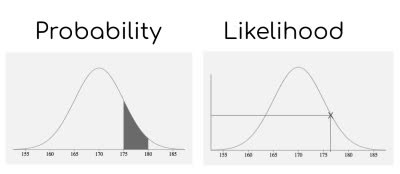
likelihood

/ˈlaɪ.kli.hʊd/

(noun) 可能性, 見込み

例:

There is a high likelihood of rain tomorrow.
明日は雨が降る可能性が高い。

uncertainty

/ʌnˈsɝː.tən.ti/

(noun) 不確実性, 不安

例:

There is still some uncertainty about the company's future.
会社の将来についてはまだいくつかの不確実性があります。

hunch

/hʌntʃ/

(noun) 予感, 直感, 勘;

(verb) かがむ, 身をかがめる, 背を丸める

例:

I have a hunch that he's hiding something.
彼が何か隠しているという予感がある。

prospect

/ˈprɑː.spekt/

(noun) 見込み, 可能性, 展望;

(verb) 探す, 探鉱する

例:

The prospect of a long summer holiday is exciting.
長い夏休みの見込みはわくわくする。

scenario

/səˈner.i.oʊ/

(noun) シナリオ, 脚本, 状況

例:

The director approved the final scenario for the film.
監督は映画の最終シナリオを承認した。

suspicion

/səˈspɪʃ.ən/

(noun) 疑い, 不信, 疑念

例:

The police arrested him on suspicion of theft.
警察は彼を窃盗の疑いで逮捕した。

hearsay

/ˈhɪr.seɪ/

(noun) 伝聞, うわさ

例:

I don't trust that information; it's just hearsay.
その情報は信用できない。ただのうわさだ。

reservation

/ˌrez.ɚˈveɪ.ʃən/

(noun) 予約, 懸念, ためらい

例:

I made a dinner reservation for two at 7 PM.
午後7時に2名で夕食の予約をしました。

conjecture

/kənˈdʒek.tʃɚ/

(noun) 推測, 憶測, 当て推量;

(verb) 推測する, 憶測する, 当て推量する

例:

The detective's theory was based on conjecture, not solid evidence.
探偵の理論は確固たる証拠ではなく、推測に基づいていた。

tentative

/ˈten.t̬ə.t̬ɪv/

(adjective) 暫定的な, 仮の, 不確かな

例:

We have a tentative plan for the weekend, but it might change.
週末の計画は暫定的ですが、変更される可能性があります。

dubious

/ˈduː.bi.əs/

(adjective) 疑わしい, 懐疑的な, 怪しい

例:

He was dubious about the plan's success.
彼はその計画の成功について疑わしかった

skeptical

/ˈskep.tɪ.kəl/

(adjective) 懐疑的な, 疑い深い

例:

She was skeptical about his claims of winning the lottery.
彼女は彼が宝くじに当たったという主張に懐疑的だった。

alleged

/əˈledʒd/

(adjective) 容疑の, 疑惑の

例:

The alleged thief was brought before the judge.
容疑者の泥棒は裁判官の前に連れてこられた。

questionable

/ˈkwes.tʃə.nə.bəl/

(adjective) 疑わしい, 問題のある, 道徳的に問題のある

例:

His honesty is questionable.
彼の誠実さは疑わしい

inconclusive

/ˌɪn.kəŋˈkluː.sɪv/

(adjective) 決定的でない, 結論が出ない

例:

The evidence presented was inconclusive, so no charges were filed.
提示された証拠は決定的ではなかったため、起訴されなかった。

plausible

/ˈplɑː.zə.bəl/

(adjective) もっともらしい, 妥当な, 信じられる

例:

Her excuse for being late sounded quite plausible.
彼女の遅刻の言い訳はかなりもっともらしく聞こえた。

hesitant

/ˈhez.ə.tənt/

(adjective) ためらいがちな, 躊躇する

例:

She was hesitant to accept the new job offer.
彼女は新しい仕事のオファーを受け入れるのにためらっていた

putative

/ˈpjuː.t̬ə.t̬ɪv/

(adjective) 推定上の, 一般に考えられている

例:

The putative father denied paternity.
推定上の父親は父性を否定した。

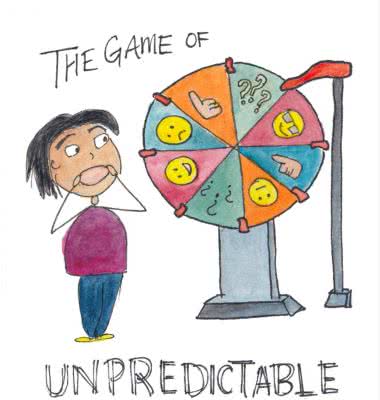
unpredictable

/ˌʌn.prɪˈdɪk.tə.bəl/

(adjective) 予測不可能な, 変わりやすい

例:

The weather in this region is highly unpredictable.
この地域の天気は非常に予測不可能です。

prospective

/prəˈspek.tɪv/

(adjective) 見込みのある, 将来の

例:

The company is interviewing prospective candidates for the position.
会社は、その職位の見込みのある候補者と面接しています。

potential

/poʊˈten.ʃəl/

(adjective) 潜在的な, 可能性のある;

(noun) 潜在能力, 可能性

例:

He is a potential candidate for the job.
彼はその仕事の潜在的な候補者です。

speculate

/ˈspek.jə.leɪt/

(verb) 推測する, 憶測する, 投機する

例:

The police refused to speculate about the cause of the fire.
警察は火災の原因について推測することを拒否した。

hypothesize

/haɪˈpɑː.θə.saɪz/

(verb) 仮説を立てる, 仮定する

例:

Scientists hypothesize that the universe began with a Big Bang.
科学者たちは宇宙がビッグバンで始まったと仮説を立てている

theorize

/ˈθɪr.aɪz/

(verb) 理論を立てる, 推測する

例:

Scientists continue to theorize about the origins of the universe.
科学者たちは宇宙の起源について理論を立て続けている

surmise

/sɚˈmaɪz/

(verb) 推測する, 察する;

(noun) 推測, 憶測

例:

He surmised that she was not interested in the offer.
彼は彼女がその申し出に興味がないと推測した

supposedly

/səˈpoʊ.zɪd.li/

(adverb) おそらく, 建前上は, 一般的に言われていることだが

例:

The new restaurant is supposedly very good.
新しいレストランはおそらくとても美味しい。
Lingolandでこの語彙セットを学習