Avatar of Vocabulary Set 動物

一般IELTS語彙(バンド8-9) 内 動物 語彙セット:完全かつ詳細なリスト

「一般IELTS語彙(バンド8-9)」内の「動物」語彙セットは国際標準教材から厳選され、短期間で語彙をマスターできます。定義、例文、標準発音を網羅…

Lingolandでこの語彙セットを学習

今すぐ学習
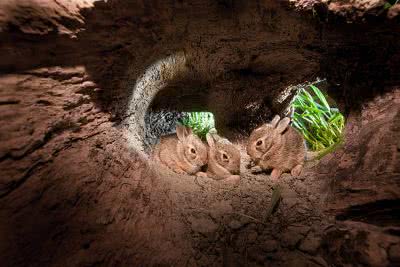
burrow

/ˈbɝː.oʊ/

(noun) 巣穴, 穴;

(verb) 穴を掘る, 巣穴を作る, もぐり込む

例:
The rabbit disappeared into its burrow.
ウサギは巣穴に姿を消した。

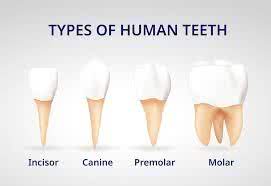
canine

/ˈkeɪ.naɪn/

(adjective) 犬の, 犬科の;

(noun) イヌ科の動物, 犬, 犬歯

例:
The veterinarian specializes in canine health.
獣医は犬の健康を専門としている。

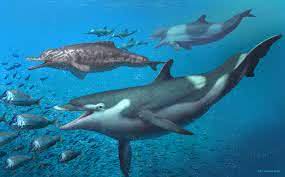
cetacean

/sɪˈteɪ.ʃən/

(noun) クジラ目, 鯨類

例:

Whales and dolphins are examples of cetaceans.
クジラやイルカはクジラ目の動物の例です。

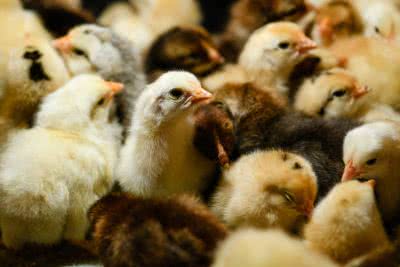
brood

/bruːd/

(noun) ひな, 子;

(verb) くよくよ考える, 思い悩む, 沈思する

例:
The hen led her brood of chicks across the yard.
雌鶏はひなたちを庭の向こうへ導いた。

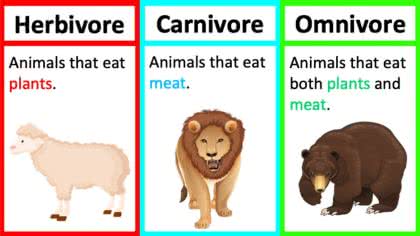
omnivore

/ˈɑːm.nɪ.vɔːr/

(noun) 雑食動物

例:

Humans are considered omnivores because they consume both plants and meat.
人間は植物と肉の両方を摂取するため、雑食動物と見なされます。

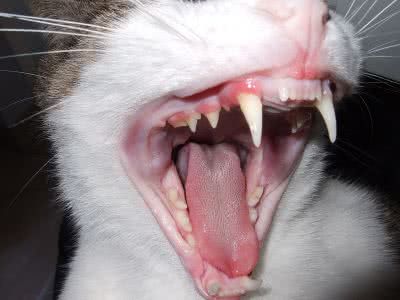
fang

/fæŋ/

(noun) 牙, 犬歯

例:

The vampire bat extended its sharp fangs.
吸血コウモリは鋭いを伸ばした。

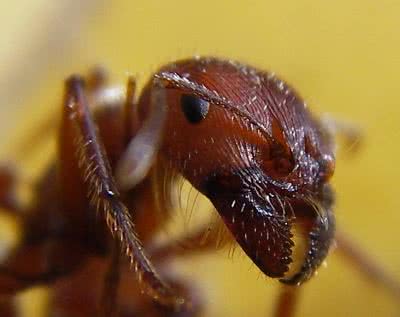
pincer

/ˈpɪn.sɚ/

(noun) ペンチ, やっとこ, はさみ;

(verb) 挟む, 挟み撃ちにする

例:
He used a pair of pincers to pull out the nail.
彼は釘を抜くためにペンチを使った。

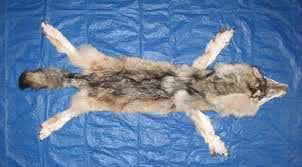
pelt

/pelt/

(verb) 投げつける, 浴びせる, 激しく降る;

(noun) 毛皮, 皮

例:
The children pelted each other with snowballs.
子供たちは雪玉を投げ合っていた。

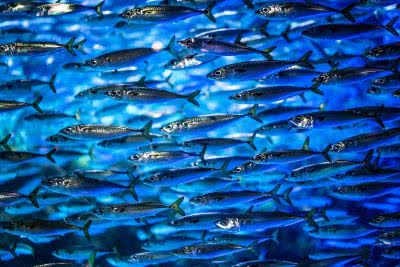
shoal

/ʃoʊl/

(noun) 群れ, 魚群, 浅瀬;

(verb) 浅くなる, 遠浅になる, 群れをなす

例:

A large shoal of fish swam past the boat.
大きな魚の群れがボートのそばを泳いでいった。

fauna

/ˈfɑː.nə/

(noun) 動物相, 動物群

例:

The diverse fauna of the Amazon rainforest includes jaguars, monkeys, and countless bird species.
アマゾンの熱帯雨林の多様な動物相には、ジャガー、サル、そして数えきれないほどの鳥類が含まれます。

crepuscular

/krɪˈpʌs.kjə.lɚ/

(adjective) 薄明かりの, たそがれの, 薄明活動性の

例:

The forest takes on a mysterious glow during the crepuscular hours.
森は薄明かりの時間帯に神秘的な輝きを放つ。

endothermic

/ˌen.doʊˈθɝː.mɪk/

(adjective) 吸熱の, 恒温の, 温血の

例:

Photosynthesis is an endothermic process because it requires energy from sunlight.
光合成は日光からのエネルギーを必要とするため、吸熱反応です。

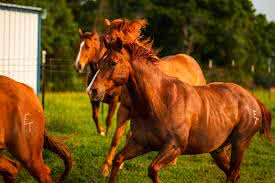
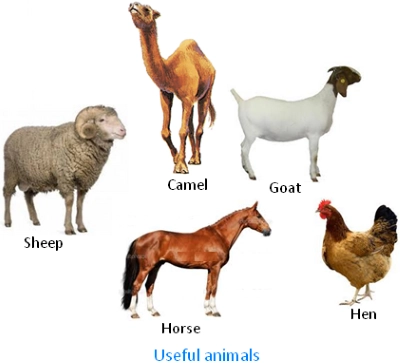
equine

/ˈek.waɪn/

(adjective) 馬の, 馬科の;

(noun) 馬, 馬科の動物

例:
The veterinarian specializes in equine medicine.
その獣医は馬の医療を専門としている。

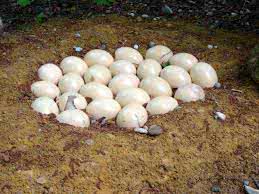
oviparous

/oʊˈvɪpərəs/

(adjective) 卵生, 卵を産む

例:

Most birds are oviparous, laying eggs that hatch outside the mother's body.
ほとんどの鳥は卵生で、母親の体の外で孵化する卵を産む。

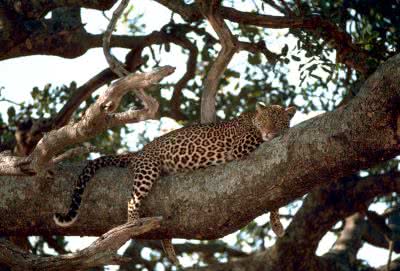
arboreal

/ɑːrˈbɔːr.i.əl/

(adjective) 樹木の, 木のような, 樹上性の

例:

The forest was filled with various arboreal species.
森には様々な樹木種が生息していた。

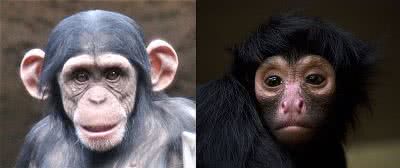
simian

/ˈsɪm.i.ən/

(adjective) サルに似た, 類人猿の;

(noun) サル, 類人猿

例:
The scientist studied the simian behavior in the primate enclosure.
科学者は霊長類の囲いの中でのサルに似た行動を研究した。

tame

/teɪm/

(adjective) 人になれた, 飼いならされた, 退屈な;

(verb) 飼いならす, 手なずける, 抑える

例:

The bird is quite tame and will eat from your hand.
その鳥はかなり人になれていて、手から餌を食べます。

terrestrial

/təˈres.tri.əl/

(adjective) 地球の, 陸生の, 地上の;

(noun) 地球人, 陸生動物

例:
Terrestrial life forms are abundant on our planet.
地球上の生命体は私たちの惑星に豊富に存在します。

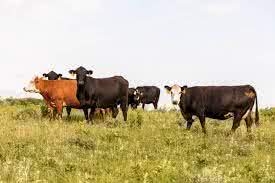
bovine

/ˈboʊ.vaɪn/

(adjective) 牛の, ウシ科の, ウシ亜科の

例:

The veterinarian specializes in bovine diseases.
獣医は牛の病気を専門としている。

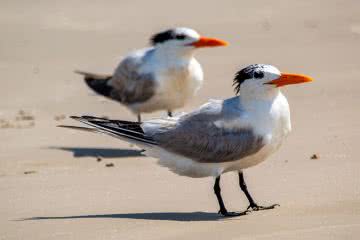
avian

/ˈeɪ.vi.ən/

(adjective) 鳥の, 鳥類に関する

例:

The study focused on avian migration patterns.
その研究は鳥の渡りのパターンに焦点を当てた。

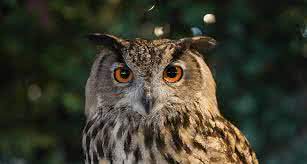
nocturnal

/nɑːkˈtɝː.nəl/

(adjective) 夜行性の, 夜の

例:

Owls are nocturnal birds.
フクロウは夜行性の鳥です。

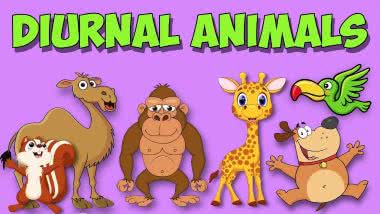
diurnal

/ˌdaɪˈɝː.nəl/

(adjective) 昼行性の, 日中の, 毎日の

例:

Most birds are diurnal, meaning they are active during the day.
ほとんどの鳥は昼行性で、日中に活動します。

insectivorous

/ˌɪn.sekˈtɪv.ər.əs/

(adjective) 昆虫食性の, 食虫性の

例:

Many birds are insectivorous, consuming large numbers of pests.
多くの鳥は昆虫食性で、大量の害虫を消費します。

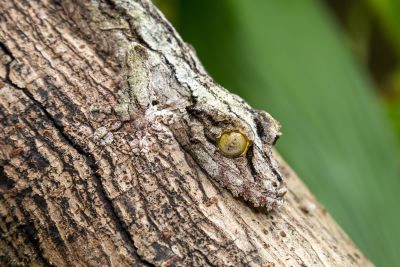
camouflage

/ˈkæm.ə.flɑːʒ/

(noun) カモフラージュ, 迷彩, 隠蔽;

(verb) カモフラージュする, 迷彩する, 隠す

例:

The soldiers used natural foliage for camouflage.
兵士たちはカモフラージュのために自然の葉を使った。
Lingolandでこの語彙セットを学習