
一般IELTS語彙(バンド6-7) 内 友情と憎しみ 語彙セット:完全かつ詳細なリスト
「一般IELTS語彙(バンド6-7)」内の「友情と憎しみ」語彙セットは国際標準教材から厳選され、短期間で語彙をマスターできます。定義、例文、標準発音を網羅…
Lingolandでこの語彙セットを学習
今すぐ学習
/ˈpen pæl/
(noun) ペンパル, 文通相手
例:
I've had a pen pal in Japan for five years.
私は5年間、日本にペンパルがいます。

/ˈkɑːn.fə.dænt/
(noun) 相談相手, 親友
例:
She told her deepest fears to her closest confidant.
彼女は最も親しい相談相手に心の奥底の恐怖を打ち明けた。

/əˈkweɪn.təns/
(noun) 知人, 知り合い, 知識
例:
She introduced me to an old acquaintance from college.
彼女は私を大学時代の古い知人に紹介した。

/ˈkɑːm.ræd/
(noun) 同志, 仲間
例:
He was a loyal comrade during the long years of the war.
彼は長い戦争の間、忠実な同志だった。

/ˌkæm.əˈrɑː.dɚ.i/
(noun) 仲間意識, 友情
例:
The team developed a strong sense of camaraderie during the long project.
長いプロジェクトの間、チームには強い仲間意識が芽生えた。

/ˈwɪŋ.mən/
(noun) ウィングマン, 恋の助っ人, 僚機
例:
He asked his best friend to be his wingman at the party.
彼はパーティーで親友にウィングマン(恋の助っ人)になってくれるよう頼んだ。

/ˈkoʊ.hɔːrt/
(noun) コホート, 集団, 仲間
例:
The study followed a cohort of students from their freshman year to graduation.
その研究は、新入生から卒業までの学生のコホートを追跡した。

/ˌplʌsˈwʌn/
(noun) 同伴者, プラスワン
例:
The wedding invitation says I can bring a plus-one.
結婚式の招待状には、同伴者を一人連れてきてもいいと書いてあります。

/koʊˈhiː.ʒən/
(noun) 結合, 結束, 凝集
例:
The team lacks social cohesion, which affects their performance.
そのチームは社会的結束に欠けており、それがパフォーマンスに影響している。
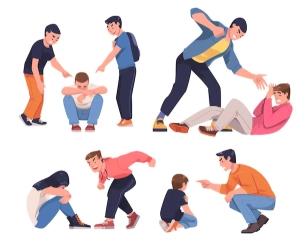
/əˈɡres.ɚ/
(noun) 侵略者, 攻撃者
例:
In the conflict, it was clear who the aggressor was.
紛争では、誰が侵略者であるかは明らかだった。

/dɪˈspjuːt/
(noun) 紛争, 論争, 議論;
(verb) 議論する, 論争する, 異議を唱える
例:
The border dispute between the two countries escalated.
両国間の国境紛争が激化した。

/hɑːˈstɪl.ə.t̬i/
(noun) 敵意, 敵対心, 敵対行為
例:
There was open hostility between the two groups.
両グループ間には公然とした敵意があった。

/ɡrʌdʒ/
(noun) 恨み, 遺恨;
(verb) 惜しむ, 恨む
例:
She held a grudge against him for years after their argument.
彼女は口論の後、何年もの間彼に恨みを抱いていた。

/bəˈlɪdʒ.ɚ.ənt/
(adjective) 好戦的な, 喧嘩腰の, 交戦中の;
(noun) 交戦国, 交戦団体
例:
The customer became belligerent when he was told he couldn't have a refund.
返金できないと言われると、その客は好戦的な態度になった。

/ænˈtɪp.ə.θi/
(noun) 反感, 嫌悪, 嫌悪感
例:
There was a strong antipathy between the two rivals.
二人のライバルの間には強い反感があった。

/əˈvɝː.ʒən/
(noun) 嫌悪, 反感, 嫌悪感
例:
She had a strong aversion to snakes.
彼女はヘビに対して強い嫌悪感を抱いていた。
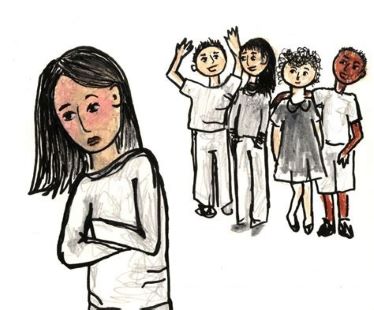
/ɪˈstreɪndʒ.mənt/
(noun) 疎遠, 疎外感
例:
The estrangement between the two brothers lasted for over a decade.
二人の兄弟の間の疎遠な状態は10年以上続いた。

/kənˈten.tʃən/
(noun) 論争, 争点, 異論
例:
The main point of contention was the budget allocation.
主な争点は予算配分でした。

/ˈræŋ.kɚ/
(noun) 恨み, 憎しみ, 悪意
例:
The debate was filled with rancor and personal attacks.
その議論は恨みと個人的な攻撃に満ちていた。

/ˈmɪs.ən.θroʊp/
(noun) 人間嫌い, 厭世家
例:
In his old age, he became a misanthrope, living alone in a remote cabin.
晩年、彼は人間嫌いになり、人里離れた小屋で一人で暮らした。

/ˌkɑːn.frənˈteɪ.ʃən/
(noun) 対立, 衝突, 対峙
例:
The police tried to avoid a direct confrontation with the protesters.
警察はデモ参加者との直接的な対立を避けようとした。

/dɪˈsjuː.nə.t̬i/
(noun) 不和, 分裂, 不一致
例:
The political party was plagued by internal disunity.
その政党は内部の不和に悩まされていた。