
一般IELTS語彙(バンド5) 内 社会と社交行事 語彙セット:完全かつ詳細なリスト
「一般IELTS語彙(バンド5)」内の「社会と社交行事」語彙セットは国際標準教材から厳選され、短期間で語彙をマスターできます。定義、例文、標準発音を網羅…
Lingolandでこの語彙セットを学習
今すぐ学習
/səˈsaɪ.ə.t̬i/
(noun) 社会, 協会, 学会
例:
Modern society faces many challenges.
現代社会は多くの課題に直面している。

/kəˈmjuː.nə.t̬i/
(noun) コミュニティ, 共同体, 社会
例:
The local community organized a clean-up event.
地元のコミュニティが清掃イベントを企画した。

/ˌpɑː.pjəˈleɪ.ʃən/
(noun) 人口, 住民, 個体群
例:
The city's population has grown rapidly in the last decade.
過去10年間で都市の人口は急速に増加しました。

/ˌsɪv.əl.əˈzeɪ.ʃən/
(noun) 文明, 文明化, 開化
例:
Ancient Egypt was a highly advanced civilization.
古代エジプトは非常に進んだ文明でした。

/nɔːrm/
(noun) 規範, 標準, 常識
例:
Working from home has become the new norm for many.
在宅勤務は多くの人にとって新しい常識となった。


/rɪˈleɪ.ʃən/
(noun) 関係, 関連, 親戚
例:
The relation between cause and effect is fundamental to science.
原因と結果の関係は科学にとって基本的である。

/ɡruːp/
(noun) グループ, 集団, バンド;
(verb) グループ分けする, まとめる
例:
A group of students gathered outside the library.
学生のグループが図書館の外に集まった。
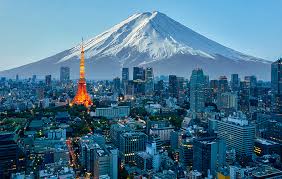
/mɑːˈdɝː.nə.t̬i/
(noun) 現代性, 近代性
例:
The building's design is a perfect blend of tradition and modernity.
その建物のデザインは伝統と現代性の完璧な融合です。

/aɪˈden.t̬ə.t̬i/
(noun) 身元, 同一性, アイデンティティ
例:
He was trying to hide his true identity.
彼は本当の身元を隠そうとしていた。

/kənˈven.ʃən/
(noun) 大会, 会議, 慣習
例:
The annual sales convention will be held in Las Vegas.
年次販売大会はラスベガスで開催されます。

/ˈdʒen.dɚ/
(noun) ジェンダー, 性別, 性;
(verb) 性別化する, 性別を割り当てる
例:
The company is committed to promoting gender equality in the workplace.
その会社は職場でのジェンダー平等を推進することに尽力している。

/reɪs/
(noun) レース, 競走, 人種;
(verb) 競走する, 競争する, 疾走する
例:
She won the 100-meter race.
彼女は100メートル競走で優勝した。

/kəˌmjuː.nəˈkeɪ.ʃən/
(noun) コミュニケーション, 意思疎通, 連絡
例:
Effective communication is key to a successful team.
効果的なコミュニケーションは、成功するチームの鍵です。

/məˈdʒɔː.rə.t̬i/
(noun) 大多数, 過半数, 成人
例:
The majority of people voted for the new policy.
大多数の人々が新しい政策に投票した。

/maɪˈnɔːr.ə.t̬i/
(noun) 少数, 少数派, 少数民族
例:
Only a small minority of students failed the exam.
ごくわずかな少数の学生だけが試験に落ちた。

/klæs/
(noun) クラス, 学級, 授業;
(verb) 分類する, 格付けする;
(adjective) 上品な, 高級な
例:
The teacher greeted the class.
先生はクラスに挨拶した。

/ˈɡæð.ɚ.ɪŋ/
(noun) 集まり, 会合, 収集
例:
The family had a small gathering for the holidays.
家族は休日に小さな集まりを開いた。

/ˌsel.əˈbreɪ.ʃən/
(noun) 祝賀, お祝い, 祭典
例:
The town held a grand celebration for its anniversary.
町は記念日に盛大な祝賀会を開催した。

/ˈpɑːr.t̬i/
(noun) パーティー, 宴会, グループ;
(verb) パーティーをする, 楽しむ
例:
We're having a birthday party for my sister.
妹のために誕生日パーティーを開きます。
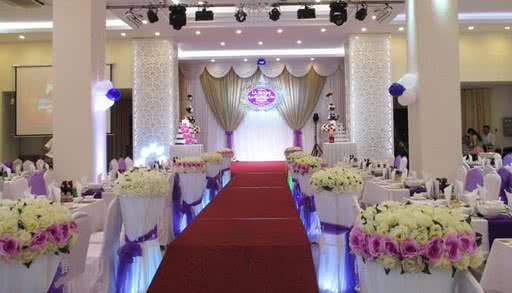
/rɪˈsep.ʃən/
(noun) 受け入れ, 歓迎, レセプション
例:
The reception of the new policy was mixed.
新しい政策の受け入れはまちまちだった。
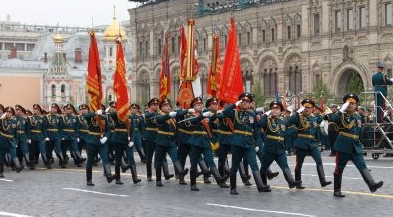
/pəˈreɪd/
(noun) パレード, 行進, 行列;
(verb) 行進する, 見せびらかす
例:
The city held a grand parade to celebrate the national holiday.
市は祝日を祝うために盛大なパレードを開催した。
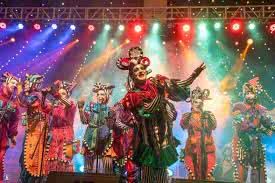
/ˈkɑːr.nə.vəl/
(noun) カーニバル, 謝肉祭, 移動遊園地
例:
The city comes alive during Carnival season.
カーニバルの季節には街が活気づく。


/ˈpɪk.nɪk/
(noun) ピクニック, 野外食事;
(verb) ピクニックをする
例:
We're planning a picnic by the lake this weekend.
今週末、湖畔でピクニックを計画しています。
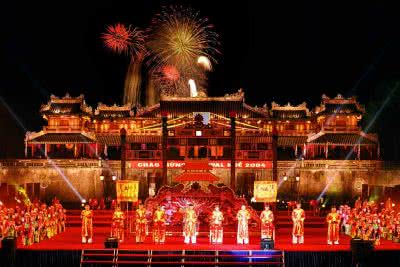
/ˈfes.tə.vəl/
(noun) 祭り, フェスティバル, 祭
例:
The town celebrates a summer festival every year.
町は毎年夏祭りを祝います。

/rɪˈlɪdʒ.ən/
(noun) 宗教, 信仰, 宗派
例:
Freedom of religion is a fundamental human right.
宗教の自由は基本的な人権である。

/ˈhɪs.t̬ɚ.i/
(noun) 歴史, 経歴
例:
She is studying ancient Roman history at university.
彼女は大学で古代ローマの歴史を学んでいます。