
IELTS アカデミック語彙(バンド8-9) 内 文学 語彙セット:完全かつ詳細なリスト
「IELTS アカデミック語彙(バンド8-9)」内の「文学」語彙セットは国際標準教材から厳選され、短期間で語彙をマスターできます。定義、例文、標準発音を網羅…
Lingolandでこの語彙セットを学習
今すぐ学習
/prəˈtæɡ.ən.ɪst/
(noun) 主人公, 主役, 提唱者
例:
The young wizard is the protagonist of the fantasy series.
若い魔法使いはファンタジーシリーズの主人公です。

/ænˈtæɡ.ən.ɪst/
(noun) 敵対者, 対抗者, 敵役
例:
The hero faced his main antagonist in the final battle.
主人公は最終決戦で主要な敵対者と対峙した。

/ˈsuː.pɚˌvɪl.ən/
(noun) スーパーヴィラン
例:
The supervillain plotted to take over the city using a giant laser.
そのスーパーヴィランは巨大なレーザーを使って街を乗っ取ろうと企んだ。
/kənˈsiːt/
(noun) うぬぼれ, 自惚れ, 奇想
例:
His conceit made him unpopular among his colleagues.
彼のうぬぼれは同僚の間で不人気だった。

/haɪˈpɝː.bəl.i/
(noun) 誇張法, 誇張
例:
He used hyperbole to describe his hunger, saying he could eat a horse.
彼は空腹を表現するために誇張法を使い、馬一頭食べられると言った。

/prəˈlɪk.sə.t̬i/
(noun) 冗長性, 回りくどさ, くどさ
例:
The editor advised the writer to reduce the prolixity in his manuscript.
編集者は著者に原稿の冗長性を減らすよう助言した。

/blɝːb/
(noun) 紹介文, 宣伝文句, あらすじ;
(verb) 紹介文を書く, 宣伝する
例:
The blurb on the back of the book made me want to read it.
本の裏表紙の紹介文を読んで、読みたくなった。
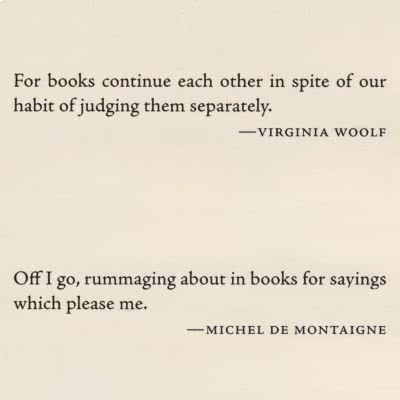
/ˈep.ə.ɡræf/
(noun) エピグラフ, 題辞, 碑文
例:
The novel opened with an intriguing epigraph from an ancient philosopher.
その小説は古代の哲学者の興味深いエピグラフで始まった。
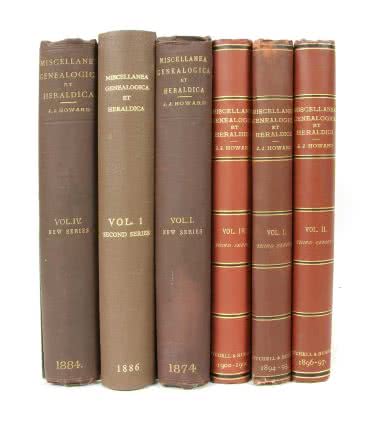
/ˌmɪs.əˈleɪ.ni.ə/
(noun) 雑多なもの, 寄せ集め
例:
The old trunk contained a fascinating array of miscellanea, from antique postcards to forgotten trinkets.
古いトランクには、アンティークの絵葉書から忘れられた小物まで、魅力的な雑多なものが詰まっていた。

/ˌpæm.flɪˈtɪr/
(noun) パンフレット作家, 小冊子作者;
(verb) パンフレットを書く, パンフレットを配布する
例:
The political pamphleteer distributed flyers criticizing the government.
政治的なパンフレット作家は政府を批判するチラシを配布した。

/ˈwɝːd.smɪθ/
(noun) 言葉の達人, 文筆家
例:
She's a talented wordsmith, crafting beautiful prose with ease.
彼女は才能ある言葉の達人で、美しい散文を簡単に作り出す。

/ˌæfroʊˈfjuːtʃərɪzəm/
(noun) アフロフューチャリズム
例:
The film 'Black Panther' is a prime example of Afrofuturism in popular culture.
映画『ブラックパンサー』は、大衆文化におけるアフロフューチャリズムの代表的な例です。

/ˌhuːˈdʌn.ɪt/
(noun) 推理小説, フーダニット
例:
She loves reading classic whodunits by Agatha Christie.
彼女はアガサ・クリスティの古典的な推理小説を読むのが大好きだ。
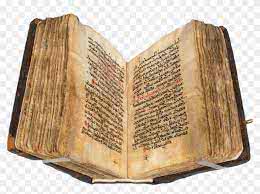
/ˈkoʊ.deks/
(noun) 写本, 絵文書, 法典
例:
The ancient codex contained rare biblical texts.
その古代の写本には珍しい聖書テキストが含まれていた。
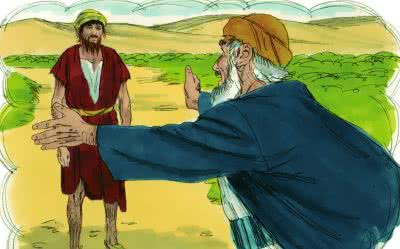
/ˈper.ə.bəl/
(noun) たとえ話, 寓話
例:
The teacher used a parable to explain the importance of forgiveness.
教師は許しの重要性を説明するためにたとえ話を使った。
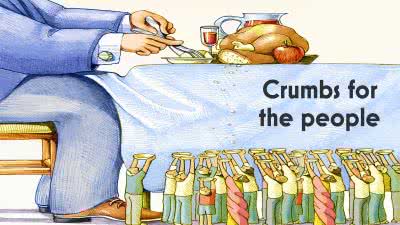
/ˈsæt.aɪr/
(noun) 風刺, 皮肉
例:
His latest novel is a biting satire on modern consumerism.
彼の最新の小説は、現代の消費主義に対する痛烈な風刺である。

/ˈæl.ə.ɡɔːr.i/
(noun) 寓話, 比喩
例:
George Orwell's 'Animal Farm' is a famous allegory for the Russian Revolution.
ジョージ・オーウェルの『動物農場』はロシア革命の有名な寓話です。

/ˈproʊ.lɑːɡ/
(noun) プロローグ, 序章, 前触れ
例:
The novel begins with a captivating prologue that sets the scene.
小説は、場面を設定する魅力的なプロローグで始まる。
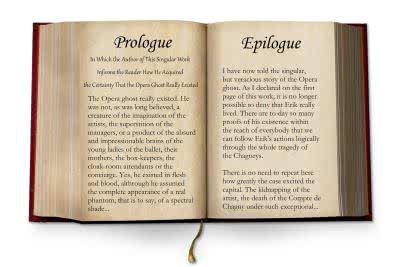
/ˈep.ə.lɑːɡ/
(noun) エピローグ, 結び
例:
The novel concluded with a poignant epilogue.
小説は感動的なエピローグで締めくくられた。
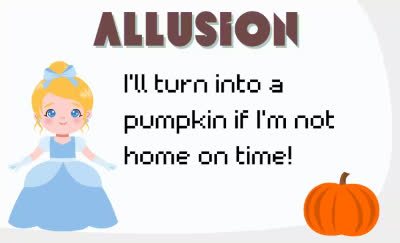
/əˈluː.ʒən/
(noun) 言及, 暗示, ほのめかし
例:
The poem contains an allusion to Greek mythology.
その詩にはギリシャ神話への言及が含まれている。
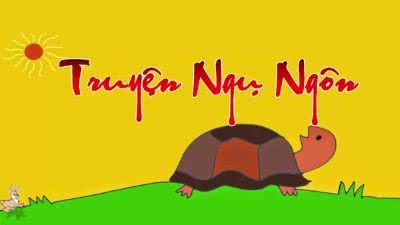
/ˈfeɪ.bəl/
(noun) 寓話, 物語, 作り話
例:
The tortoise and the hare is a classic fable.
ウサギとカメは古典的な寓話です。
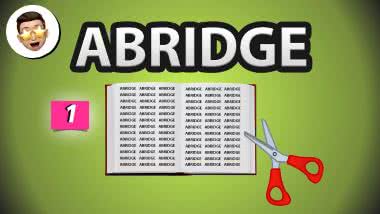
/əˈbrɪdʒ.mənt/
(noun) 要約, 抄録, 短縮版
例:
The publisher released an abridgment of the classic novel for younger readers.
出版社は若い読者向けに古典小説の要約版をリリースした。