
词汇集 文学(属于 雅思学术词汇(8-9分)):完整且详细的清单
词汇集「文学」(属于「雅思学术词汇(8-9分)」)从国际标准教材来源精心挑选,帮助您在短时间内掌握词汇。全面汇整定义、例句及标准发音…
在 Lingoland 学习此词汇集
立即学习
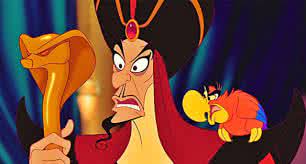
/prəˈtæɡ.ən.ɪst/
(noun) 主角, 主人公, 倡导者
示例:
The young wizard is the protagonist of the fantasy series.
这位年轻的巫师是这部奇幻系列的主角。
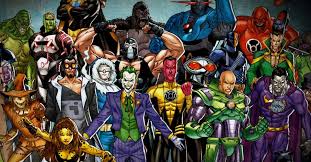
/ænˈtæɡ.ən.ɪst/
(noun) 对手, 反派, 敌手
示例:
The hero faced his main antagonist in the final battle.
英雄在最终战役中面对了他的主要对手。
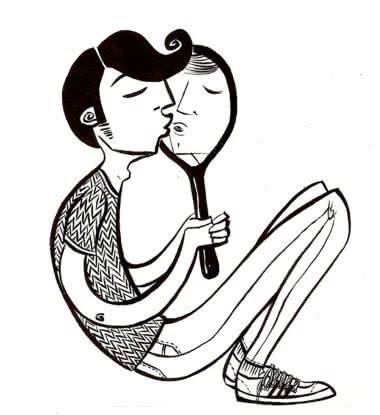
/ˈsuː.pɚˌvɪl.ən/
(noun) 超级反派, 超级恶棍
示例:
The supervillain plotted to take over the city using a giant laser.
那个超级反派策划利用巨型激光接管这座城市。
/kənˈsiːt/
(noun) 自负, 自大, 奇想
示例:
His conceit made him unpopular among his colleagues.
他的自负使他在同事中不受欢迎。

/haɪˈpɝː.bəl.i/
(noun) 夸张, 夸张法
示例:
He used hyperbole to describe his hunger, saying he could eat a horse.
他用夸张来形容他的饥饿,说他能吃下一匹马。

/prəˈlɪk.sə.t̬i/
(noun) 冗长, 啰嗦, 冗赘
示例:
The editor advised the writer to reduce the prolixity in his manuscript.
编辑建议作者减少手稿中的冗长。

/blɝːb/
(noun) 简介, 广告词, 宣传语;
(verb) 写简介, 宣传
示例:
The blurb on the back of the book made me want to read it.
书背上的简介让我很想读它。
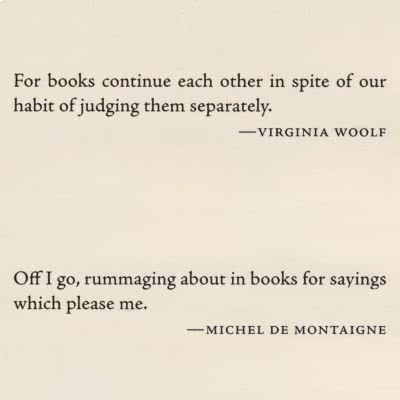
/ˈep.ə.ɡræf/
(noun) 题词, 引语, 铭文
示例:
The novel opened with an intriguing epigraph from an ancient philosopher.
小说以一位古代哲学家的引人入胜的题词开篇。
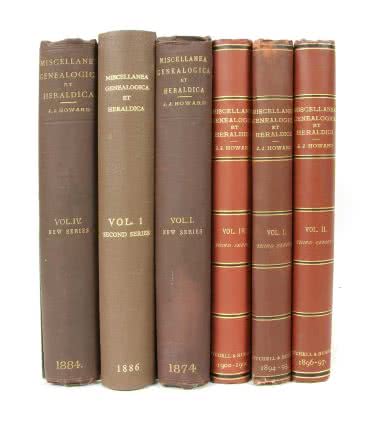
/ˌmɪs.əˈleɪ.ni.ə/
(noun) 杂项, 杂物
示例:
The old trunk contained a fascinating array of miscellanea, from antique postcards to forgotten trinkets.
旧箱子里装着各种各样的杂物,从古董明信片到被遗忘的小饰品。
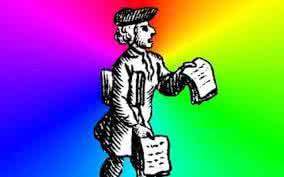
/ˌpæm.flɪˈtɪr/
(noun) 小册子作者, 宣传员;
(verb) 撰写小册子, 散发小册子
示例:
The political pamphleteer distributed flyers criticizing the government.
这位政治小册子作者散发了批评政府的传单。

/ˈwɝːd.smɪθ/
(noun) 文字匠, 作家
示例:
She's a talented wordsmith, crafting beautiful prose with ease.
她是一位才华横溢的文字匠,轻松创作出优美的散文。

/ˌæfroʊˈfjuːtʃərɪzəm/
(noun) 非洲未来主义
示例:
The film 'Black Panther' is a prime example of Afrofuturism in popular culture.
电影《黑豹》是流行文化中非洲未来主义的典型例子。

/ˌhuːˈdʌn.ɪt/
(noun) 侦探小说, 悬疑片
示例:
She loves reading classic whodunits by Agatha Christie.
她喜欢读阿加莎·克里斯蒂的经典侦探小说。
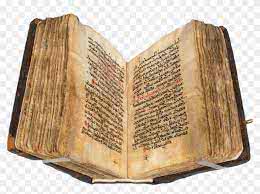
/ˈkoʊ.deks/
(noun) 手抄本, 古籍, 法典
示例:
The ancient codex contained rare biblical texts.
这本古老的手抄本包含稀有的圣经文本。
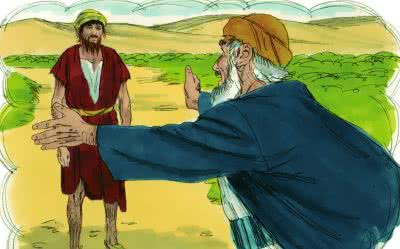
/ˈper.ə.bəl/
(noun) 寓言, 比喻
示例:
The teacher used a parable to explain the importance of forgiveness.
老师用一个寓言来解释宽恕的重要性。
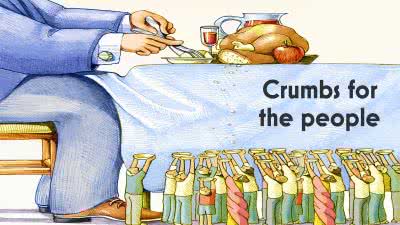
/ˈsæt.aɪr/
(noun) 讽刺, 挖苦
示例:
His latest novel is a biting satire on modern consumerism.
他的最新小说是对现代消费主义的辛辣讽刺。
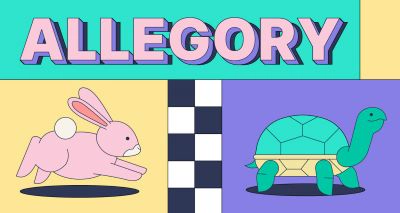
/ˈæl.ə.ɡɔːr.i/
(noun) 寓言, 讽喻
示例:
George Orwell's 'Animal Farm' is a famous allegory for the Russian Revolution.
乔治·奥威尔的《动物庄园》是俄国革命的一个著名寓言。

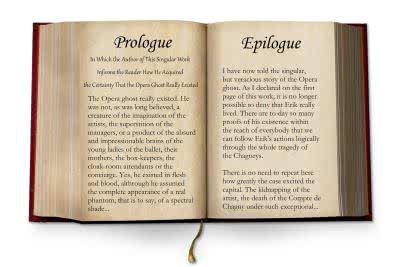
/ˈproʊ.lɑːɡ/
(noun) 序言, 开场白, 序幕
示例:
The novel begins with a captivating prologue that sets the scene.
小说以引人入胜的序言开头,为场景奠定了基础。
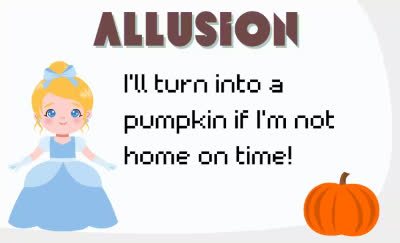
/əˈluː.ʒən/
(noun) 典故, 暗指, 影射
示例:
The poem contains an allusion to Greek mythology.
这首诗中包含对希腊神话的典故。
/əˈbrɪdʒ.mənt/
(noun) 节选, 摘要, 缩写
示例:
The publisher released an abridgment of the classic novel for younger readers.
出版商为年轻读者发行了经典小说的节选本。