
IELTS アカデミック語彙(バンド6-7) 内 宗教 語彙セット:完全かつ詳細なリスト
「IELTS アカデミック語彙(バンド6-7)」内の「宗教」語彙セットは国際標準教材から厳選され、短期間で語彙をマスターできます。定義、例文、標準発音を網羅…
Lingolandでこの語彙セットを学習
今すぐ学習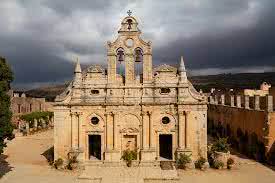
/ˈmɑː.nə.ster.i/
(noun) 修道院
例:
The ancient monastery stood peacefully on the hillside.
その古い修道院は丘の中腹に静かに立っていた。
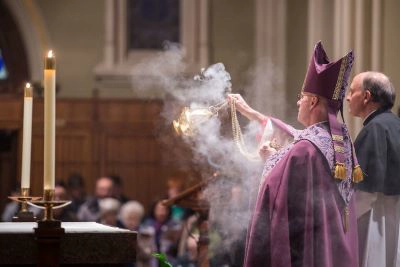
/ˈrɪtʃ.u.əl/
(noun) 儀式, 祭式, 日課;
(adjective) 儀式的な, 祭式の
例:
The ancient tribe performed a sacred ritual to honor their ancestors.
古代の部族は祖先を敬うために神聖な儀式を行った。


/mʌŋk/
(noun) 修道士, 僧侶
例:
The monk devoted his life to prayer and meditation.
その修道士は祈りと瞑想に人生を捧げた。
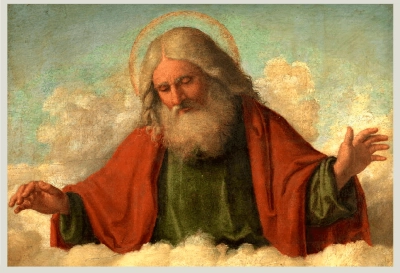
/ˈdiː.ə.t̬i/
(noun) 神, 神性, 至高の存在
例:
Ancient Egyptians worshipped many deities.
古代エジプト人は多くの神々を崇拝していました。

/ˈskrɪp.tʃɚ/
(noun) 聖書, 聖典, 経典
例:
He often quotes from Scripture during his sermons.
彼は説教中にしばしば聖書から引用する。

/ˈræb.aɪ/

/ˈsæk.rə.mənt/
(noun) 秘跡, 聖礼典
例:
The priest administered the sacrament of baptism to the infant.
司祭は幼児に洗礼の秘跡を授けた。

/ˈpɪl.ɡrə.mɪdʒ/
(noun) 巡礼, 参詣, 聖地巡礼
例:
Every year, thousands of people make a pilgrimage to Mecca.
毎年、何千人もの人々がメッカへ巡礼に出かけます。


/ˈfæs.tɪŋ/
(noun) 断食;
(adjective) 絶食している, 断食中の
例:
Many religions practice fasting as a spiritual discipline.
多くの宗教が精神的な規律として断食を実践しています。

/ˈseɪ.tən.ɪ.zəm/
(noun) サタニズム, 悪魔崇拝
例:
The movie explores the dark themes of satanism in a small town.
その映画は小さな町におけるサタニズムの暗いテーマを探求している。
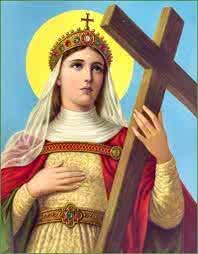
/seɪnt/
(noun) 聖人, 徳の高い人;
(verb) 聖人にする, 列聖する
例:
Mother Teresa is considered a modern saint.
マザー・テレサは現代の聖人と見なされている。

/ˈtes.tə.mənt/
(noun) 証, 証拠, 遺言
例:
His success is a testament to his hard work.
彼の成功は彼の勤勉さの証です。

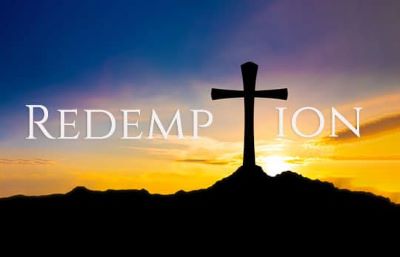
/rɪˈdemp.ʃən/
(noun) 償い, 救済, 買い戻し
例:
He sought redemption for his past mistakes.
彼は過去の過ちに対する償いを求めた。
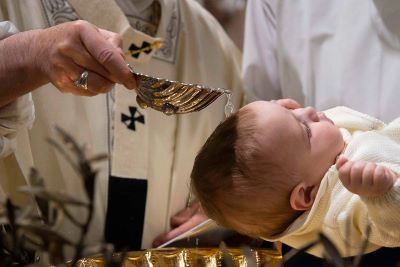
/ˈbæp.tɪ.zəm/
(noun) 洗礼, 初体験, 試練
例:
The baby's baptism was held last Sunday at the church.
赤ちゃんの洗礼式は先週の日曜日に教会で行われました。
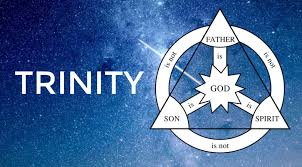
/ˈtrɪn.ə.t̬i/
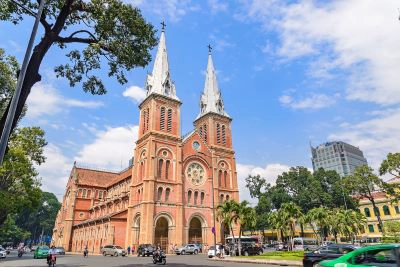
/kəˈθiː.drəl/
(noun) 大聖堂
例:
The ancient cathedral stood majestically in the city center.
その古代の大聖堂は街の中心に堂々と立っていた。

/ˈsɝː.mən/
(noun) 説教, 法話, 長話
例:
The pastor delivered a powerful sermon on forgiveness.
牧師は許しについての力強い説教を行った。
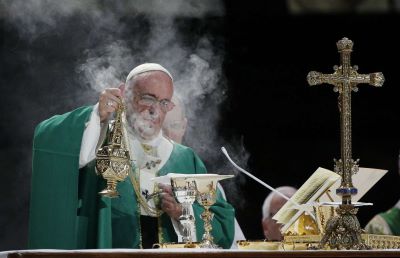
/ˈlɪt̬.ɚ.dʒi/
(noun) 典礼, 礼拝式
例:
The priest followed the traditional liturgy during the Sunday service.
司祭は日曜の礼拝で伝統的な典礼に従った。

/ˈsek.jə.lər.ɪ.zəm/
(noun) 世俗主義
例:
The country's constitution is based on the principles of secularism.
その国の憲法は世俗主義の原則に基づいています。

/ˈeɪ.θi.ɪ.zəm/
(noun) 無神論
例:
His embrace of atheism was a result of years of philosophical inquiry.
彼の無神論への傾倒は、長年の哲学的探求の結果だった。
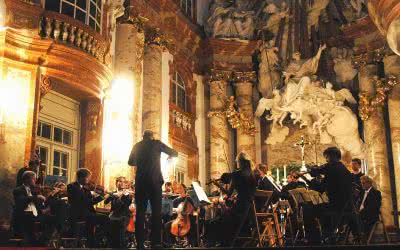
/ˈrek.wi.əm/
(noun) レクイエム, 鎮魂歌, 楽曲
例:
Mozart's Requiem is a powerful and moving piece of music.
モーツァルトのレクイエムは力強く感動的な楽曲です。
/ɪˈpɪf.ən.i/
(noun) ひらめき, 啓示, 悟り
例:
He had an epiphany while meditating, realizing the true meaning of life.
彼は瞑想中にひらめきを得て、人生の本当の意味を悟った。

/ˈkruː.sə.fɪks/
(noun) 十字架, 磔刑像
例:
A small silver crucifix hung around her neck.
彼女の首には小さな銀の十字架がぶら下がっていた。
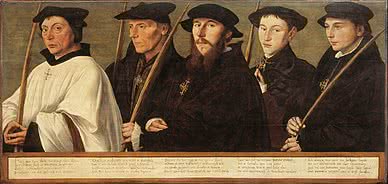
/ˈpɪl.ɡrɪm/
(noun) 巡礼者, ピルグリム, 初期入植者
例:
Many pilgrims visit Mecca each year.
毎年多くの巡礼者がメッカを訪れます。
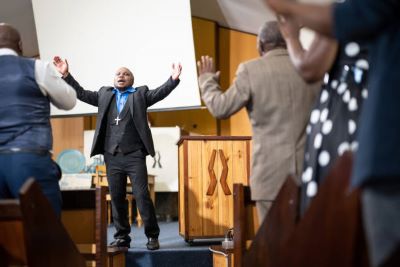
/ˈpriː.tʃɚ/
(noun) 説教者, 伝道師
例:
The preacher delivered a powerful sermon on forgiveness.
その説教者は許しについての力強い説教を行った。
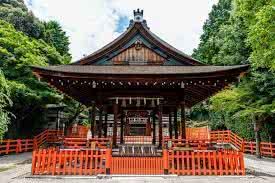
/ʃraɪn/
(noun) 聖地, 祠, 神社;
(verb) 安置する, 祀る
例:
Pilgrims visited the ancient shrine.
巡礼者たちは古代の聖地を訪れた。