
IELTS アカデミック語彙(バンド5) 内 天文学 語彙セット:完全かつ詳細なリスト
「IELTS アカデミック語彙(バンド5)」内の「天文学」語彙セットは国際標準教材から厳選され、短期間で語彙をマスターできます。定義、例文、標準発音を網羅…
Lingolandでこの語彙セットを学習
今すぐ学習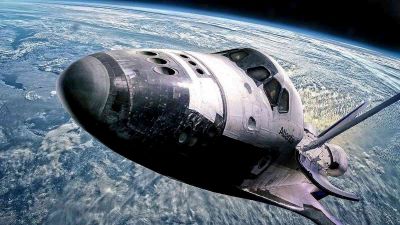
/ˈɔːr.bɪ.-t̬ɚ/
(noun) 周回機, オービター
例:
The Mars orbiter sent back high-resolution images of the planet's surface.
火星周回機は惑星表面の高解像度画像を送信した。
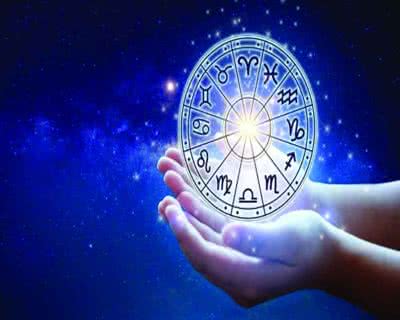
/əˈstrɑː.lə.dʒi/
(noun) 占星術
例:
She believes in astrology and checks her horoscope daily.
彼女は占星術を信じており、毎日自分の星座をチェックしている。
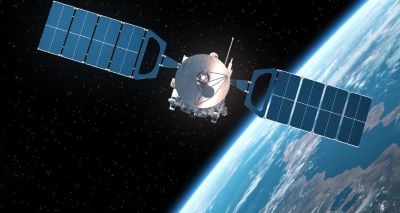
/ˈsæt̬.əl.aɪt/
(noun) 人工衛星, 衛星, 月;
(adjective) 衛星の, 付属の
例:
The communication satellite relays signals around the globe.
通信衛星は世界中に信号を中継する。
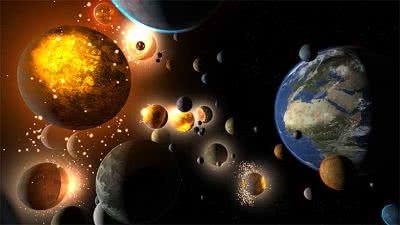
/ˈjuː.nə.vɝːs/
(noun) 宇宙, 世界, 領域
例:
The vastness of the universe is truly awe-inspiring.
宇宙の広大さは本当に畏敬の念を抱かせる。

/ˈɡæl.ək.si/
(noun) 銀河, 多数, 群れ
例:
Our solar system is part of the Milky Way galaxy.
私たちの太陽系は天の川銀河の一部です。

/stɑːr/
(noun) 星, スター, 有名人;
(verb) 主演する, 主役を演じる;
(adjective) 素晴らしい, 優秀な
例:
The night sky was filled with twinkling stars.
夜空はきらめく星でいっぱいだった。
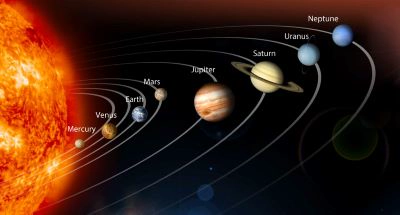

/sʌn/
(noun) 太陽, 日, 日差し;
(verb) 日光浴をする, 日光に当てる
例:
The sun is shining brightly today.
今日は太陽が明るく輝いている。
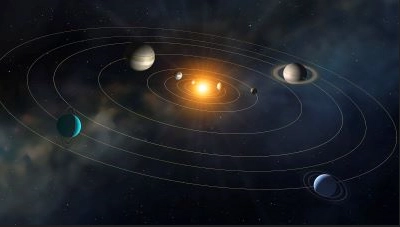
/ˈsoʊ.lər ˌsɪs.təm/
(noun) 太陽系
例:
Our solar system is part of the Milky Way galaxy.
私たちの太陽系は天の川銀河の一部です。
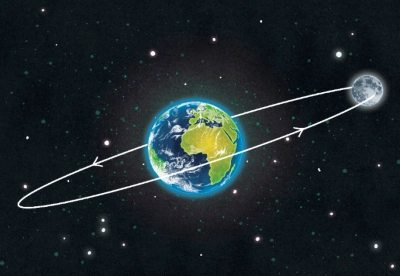
/ˈɔːr.bɪt/
(noun) 軌道, 影響範囲, 勢力圏;
(verb) 公転する, 周回する
例:
The Earth revolves around the Sun in an elliptical orbit.
地球は楕円形の軌道で太陽の周りを公転している。
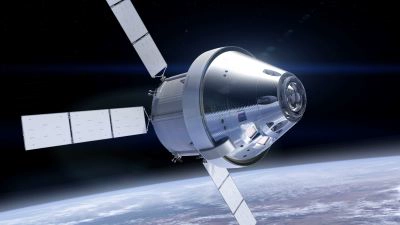
/ˈspeɪs.kræft/
(noun) 宇宙船, 宇宙機
例:
The spacecraft successfully landed on Mars.
その宇宙船は火星に無事着陸した。
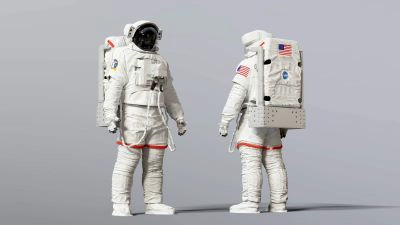
/ˈspeɪs.suːt/
(noun) 宇宙服
例:
The astronaut wore a bulky spacesuit during the spacewalk.
宇宙飛行士は宇宙遊泳中に分厚い宇宙服を着ていた。

/ˈʃʌt̬.əl/
(noun) シャトル, 定期便, スペースシャトル;
(verb) 往復する, 送迎する
例:
The hotel provides a free shuttle service to the airport.
ホテルは空港への無料シャトルサービスを提供しています。
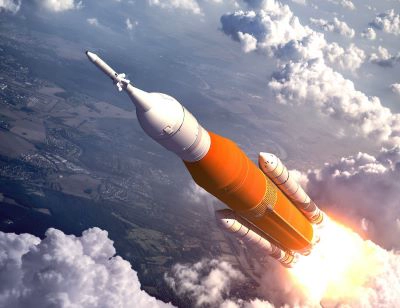
/ˈrɑː.kɪt/
(noun) ロケット, ルッコラ;
(verb) 急騰する, 急上昇する
例:
The rocket launched into space with a powerful roar.
ロケットは力強い轟音とともに宇宙へ打ち上げられた。
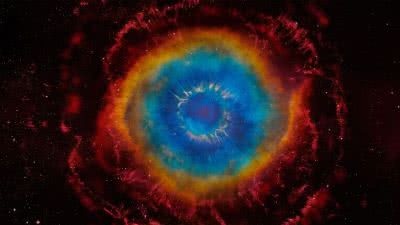
/ˈkɑːz.moʊs/
(noun) 宇宙, 秩序ある世界, コスモス
例:
The ancient Greeks believed in a harmonious cosmos.
古代ギリシャ人は調和のとれた宇宙を信じていた。
/ˈnæs.ə/
(abbreviation) NASA, アメリカ航空宇宙局
例:
NASA successfully launched the new Mars rover.
NASAは新しい火星探査機を打ち上げることに成功した。
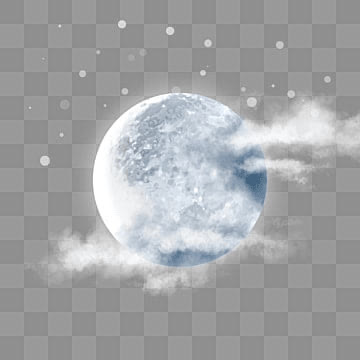
/muːn/
(noun) 月, 衛星;
(verb) 尻を見せる, 尻出し, 夢中になる
例:
The moon was full and bright in the night sky.
夜空には満月が明るく輝いていた。
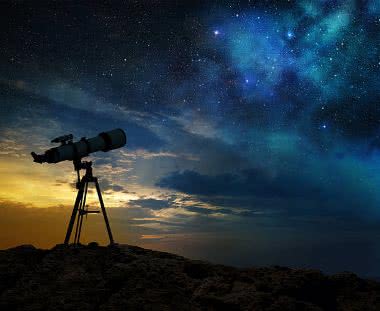
/ˈtel.ə.skoʊp/
(noun) 望遠鏡, 天体望遠鏡;
(verb) 伸縮する, 短縮する, 圧縮する
例:
He used a powerful telescope to observe the distant galaxy.
彼は遠くの銀河を観察するために強力な望遠鏡を使った。
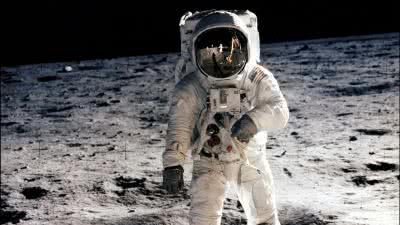
/ˈæs.trə.nɑːt/
(noun) 宇宙飛行士
例:
The astronaut floated weightlessly in space.
宇宙飛行士は宇宙で無重力に浮いていた。
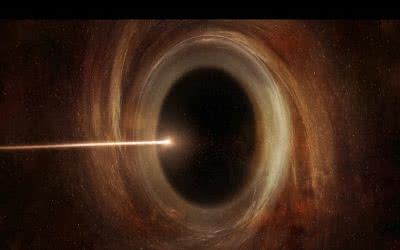
/ˈblæk hoʊl/
(noun) ブラックホール, 底なし沼
例:
Scientists are studying the supermassive black hole at the center of our galaxy.
科学者たちは私たちの銀河の中心にある超大質量ブラックホールを研究している。
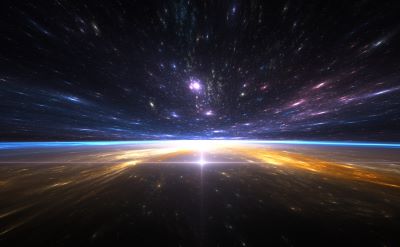
/ˈlaɪt ˌjɪr/
(noun) 光年, 大きな隔たり
例:
The nearest star to Earth, Proxima Centauri, is about 4.2 light years away.
地球に最も近い恒星、プロキシマ・ケンタウリは約4.2光年離れています。
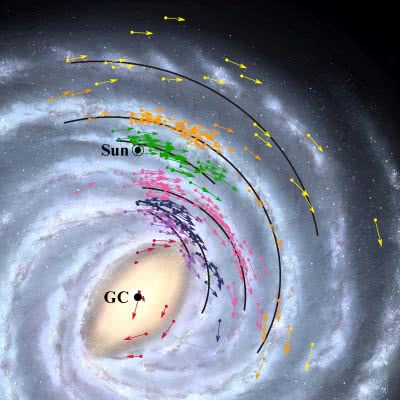
/ðə ˈmɪlki weɪ/
(noun) 天の川, 銀河系
例:
From a dark sky, you can see the Milky Way stretching across.
暗い空からは、天の川が広がっているのが見えます。
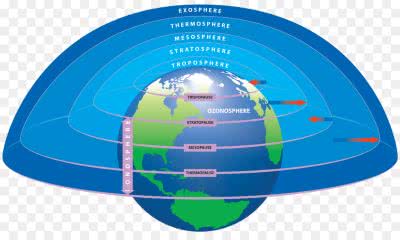
/ˈæt.mə.sfɪr/
(noun) 大気, 雰囲気, ムード
例:
The Earth's atmosphere protects us from harmful solar radiation.
地球の大気は有害な太陽放射から私たちを守る。
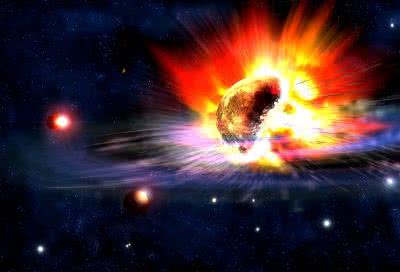
/ˈbɪɡ ˈbæŋ/
(noun) ビッグバン
例:
The Big Bang theory explains the origin of the universe.
ビッグバン理論は宇宙の起源を説明する。