
词汇集 天文学(属于 雅思学术词汇(5级)):完整且详细的清单
词汇集「天文学」(属于「雅思学术词汇(5级)」)从国际标准教材来源精心挑选,帮助您在短时间内掌握词汇。全面汇整定义、例句及标准发音…
在 Lingoland 学习此词汇集
立即学习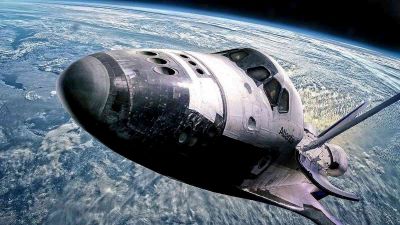
/ˈɔːr.bɪ.-t̬ɚ/
(noun) 轨道飞行器, 轨道器
示例:
The Mars orbiter sent back high-resolution images of the planet's surface.
火星轨道飞行器传回了该行星表面的高分辨率图像。

/əˈstrɑː.lə.dʒi/
(noun) 占星术
示例:
She believes in astrology and checks her horoscope daily.
她相信占星术,每天查看她的星座运势。
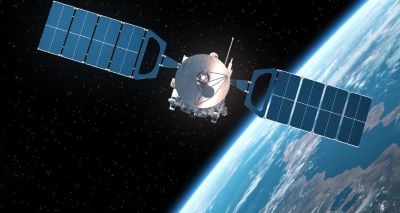
/ˈsæt̬.əl.aɪt/
(noun) 卫星, 月亮, 卫星国;
(adjective) 卫星的, 附属的
示例:
The communication satellite relays signals around the globe.
通信卫星在全球范围内转发信号。
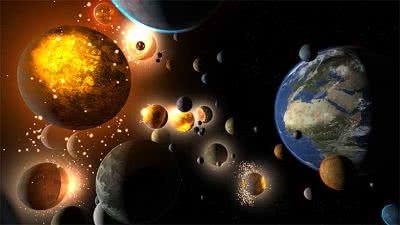
/ˈjuː.nə.vɝːs/
(noun) 宇宙, 世界, 领域
示例:
The vastness of the universe is truly awe-inspiring.
宇宙的浩瀚确实令人敬畏。

/ˈɡæl.ək.si/
(noun) 星系, 银河系, 众多
示例:
Our solar system is part of the Milky Way galaxy.
我们的太阳系是银河系的一部分。

/stɑːr/
(noun) 星星, 恒星, 明星;
(verb) 主演, 担任主角;
(adjective) 出色, 优秀
示例:
The night sky was filled with twinkling stars.
夜空布满了闪烁的星星。
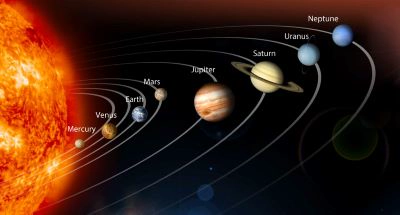

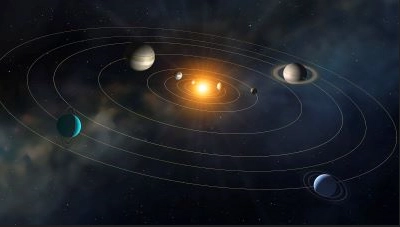
/ˈsoʊ.lər ˌsɪs.təm/
(noun) 太阳系
示例:
Our solar system is part of the Milky Way galaxy.
我们的太阳系是银河系的一部分。
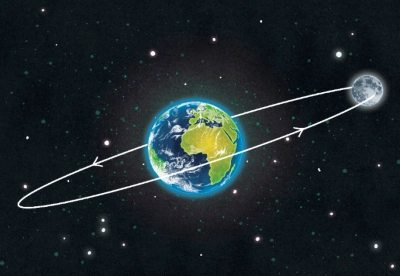
/ˈɔːr.bɪt/
(noun) 轨道, 势力范围, 影响范围;
(verb) 绕轨道运行, 环绕
示例:
The Earth revolves around the Sun in an elliptical orbit.
地球以椭圆形轨道绕太阳公转。
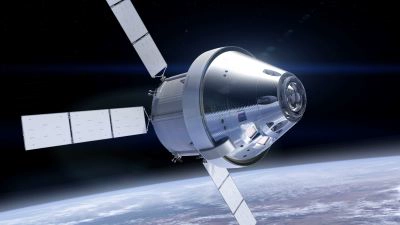
/ˈspeɪs.kræft/
(noun) 宇宙飞船, 航天器
示例:
The spacecraft successfully landed on Mars.
宇宙飞船成功降落在火星上。
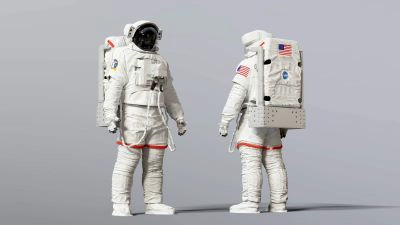
/ˈspeɪs.suːt/
(noun) 宇航服
示例:
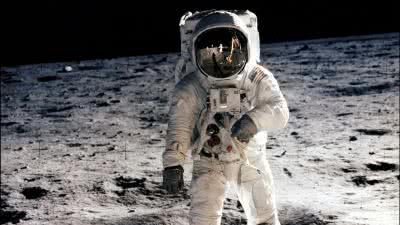
The astronaut wore a bulky spacesuit during the spacewalk.
宇航员在太空行走时穿着笨重的宇航服。

/ˈʃʌt̬.əl/
(noun) 班车, 穿梭巴士, 航天飞机;
(verb) 往返, 穿梭
示例:
The hotel provides a free shuttle service to the airport.
酒店提供免费机场班车服务。

/ˈrɑː.kɪt/
(noun) 火箭, 芝麻菜;
(verb) 飞涨, 突飞猛进
示例:
The rocket launched into space with a powerful roar.
火箭伴随着巨大的轰鸣声发射升空。
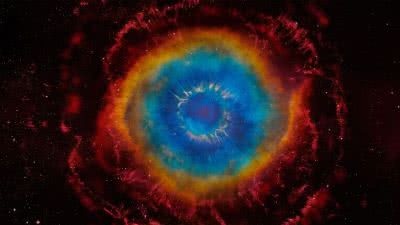
/ˈkɑːz.moʊs/
(noun) 宇宙, 天地, 大波斯菊
示例:
The ancient Greeks believed in a harmonious cosmos.
古希腊人相信一个和谐的宇宙。
/ˈnæs.ə/
(abbreviation) NASA, 美国国家航空航天局
示例:
NASA successfully launched the new Mars rover.
美国宇航局成功发射了新的火星探测器。
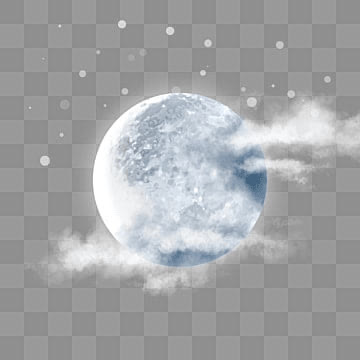
/muːn/
(noun) 月亮, 月球, 卫星;
(verb) 露臀, 亮屁股, 神魂颠倒
示例:
The moon was full and bright in the night sky.
夜空中,月亮又圆又亮。
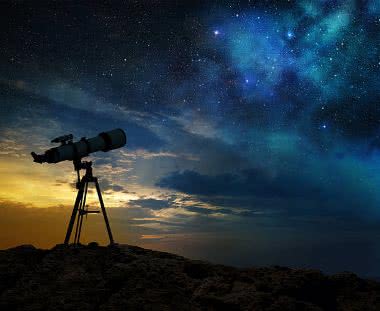
/ˈtel.ə.skoʊp/
(noun) 望远镜, 天文望远镜;
(verb) 伸缩, 套叠, 压缩
示例:
He used a powerful telescope to observe the distant galaxy.
他用一台强大的望远镜观察遥远的星系。
/ˈblæk hoʊl/
(noun) 黑洞, 无底洞
示例:
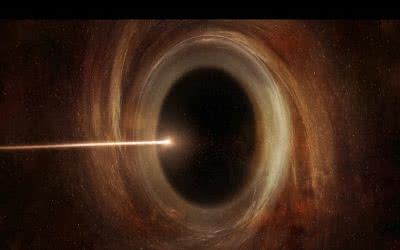
Scientists are studying the supermassive black hole at the center of our galaxy.
科学家们正在研究我们银河系中心的超大质量黑洞。
/ˈlaɪt ˌjɪr/
(noun) 光年, 巨大的差距
示例:
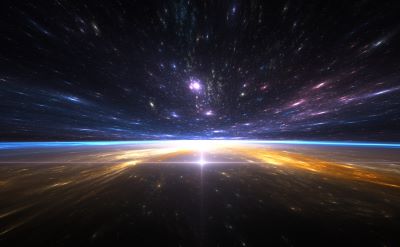
The nearest star to Earth, Proxima Centauri, is about 4.2 light years away.
离地球最近的恒星比邻星距离我们大约 4.2 光年。
/ðə ˈmɪlki weɪ/
(noun) 银河系
示例:
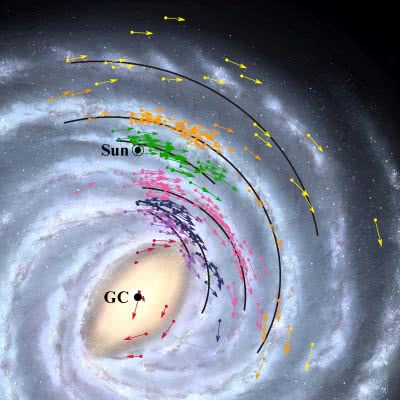
From a dark sky, you can see the Milky Way stretching across.
在黑暗的天空中,你可以看到银河系横跨天际。
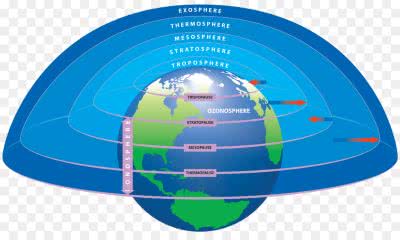
/ˈæt.mə.sfɪr/
(noun) 大气层, 气氛, 氛围
示例:
The Earth's atmosphere protects us from harmful solar radiation.
地球大气层保护我们免受有害太阳辐射。
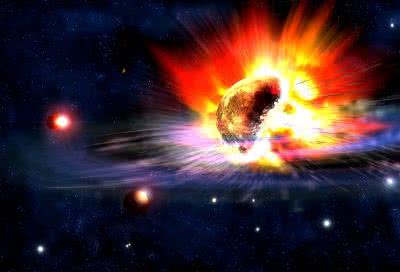
/ˈbɪɡ ˈbæŋ/
(noun) 大爆炸
示例:
The Big Bang theory explains the origin of the universe.
大爆炸理论解释了宇宙的起源。